“Forex capital trading is the key to maximizing currency market profits responsibly.”
Forex capital trading is a method of using financial capital to trade currencies in the foreign exchange (Forex) market. Traders invest their money, often using leverage, to earn profits from price changes in major and minor currencies like USD, EUR, GBP, and JPY. This market is the largest and most liquid financial market in the world, operating 24 hours a day, five days a week. Millions of traders globally participate in forex capital trading to grow wealth, diversify portfolios, and hedge against risks.
If you want to maximize your profits and minimize trading risks, understanding forex capital trading is essential. You should learn how capital works in forex, how to manage investments, and how to plan trades strategically. Without proper knowledge, traders risk losing their money, facing poor decisions, and mismanaging their trading capital. A disciplined approach and clear understanding of trading principles help secure long-term profitability.
This guide provides in-depth information on forex capital trading, including capital management, trading strategies, risk management, leverage, margin, and psychological aspects. Whether you are a beginner or an experienced trader, you will gain insights on how to handle your trading capital effectively and improve your profitability while reducing risks.
1. What is Forex Capital Trading?
- Forex capital trading involves investing your money in the foreign exchange market to earn profits.
- Traders use capital, either personal or borrowed, to buy and sell currencies.
- The goal is to profit from changes in currency prices.
- This type of trading is available to individual traders, institutions, and banks.
- Trading can be done in major pairs (like EUR/USD) or exotic pairs.
- Traders must have a trading account with a broker to start.
- Using capital effectively can maximize gains while minimizing losses.
- Forex capital trading requires strategy and careful risk management.
- Leverage allows traders to control larger positions with smaller capital.
- Capital management is key to long-term trading success.
- Traders must track profits, losses, and equity daily.
- Education about forex markets improves decision-making.
- Risk of capital loss exists, so discipline is essential.
- Many traders start with demo accounts to practice managing capital.
- Success depends on knowledge, planning, and patience.
2. Importance of Capital in Forex Trading

- Capital is the foundation of forex trading.
- Larger capital allows traders to take more opportunities.
- Proper capital reduces the need for high leverage, which lowers risk.
- Capital determines the size of positions you can take.
- Traders with more capital can weather losses better.
- Capital management is part of trading strategy.
- Lack of capital often leads to early account depletion.
- A strong capital base helps psychological confidence.
- Capital helps traders diversify currency pairs.
- Risk management depends on available capital.
- Proper capital allows testing different strategies safely.
- Capital protects against market volatility.
- Traders must keep reserve capital for emergencies.
- Understanding capital limits prevents overtrading.
- Well-managed capital ensures long-term success in forex.
3. How Forex Capital Works
- Forex capital represents your invested funds.
- It can be personal savings or borrowed money.
- Traders allocate capital based on risk tolerance.
- Part of capital may be used as margin for leveraged trades.
- Capital is affected by profits, losses, and transaction costs.
- Brokers often require a minimum deposit to start.
- Trading capital grows as profits accumulate.
- Losses reduce the available capital.
- Traders often reinvest profits to increase capital.
- Capital planning includes setting daily, weekly, or monthly limits.
- Traders separate trading capital and living funds.
- Risk per trade is usually 1–2% of total capital.
- Proper allocation ensures sustainable trading.
- Capital management helps avoid margin calls.
- Understanding capital flow is essential for long-term profitability.
4. Risk Management in Forex Capital Trading
- Risk management protects your trading capital.
- Traders should define risk per trade clearly.
- Common rule: risk 1–2% of capital per trade.
- Stop-loss orders limit maximum losses.
- Take-profit levels secure profits automatically.
- Diversification reduces risk exposure.
- Proper leverage management prevents margin calls.
- Avoid overtrading, which can deplete capital quickly.
- Traders should track daily performance.
- Psychological control helps avoid impulsive decisions.
- Capital preservation is more important than chasing profits.
- Hedging strategies can reduce market risk.
- Regular capital review prevents unexpected losses.
- Understanding market volatility improves risk strategies.
- Disciplined risk management ensures trading sustainability.
5. Leverage in Forex Capital Trading
- Leverage allows you to control large positions with small capital.
- For example, 1:100 leverage means $100 capital can control $10,000.
- Leverage can magnify profits but also losses.
- Traders must use leverage carefully.
- Brokers offer different leverage levels depending on regulations.
- High leverage increases risk exposure.
- Leverage requires strict risk management.
- Low leverage reduces stress and capital risk.
- Beginners are advised to start with low leverage.
- Leverage affects margin requirements.
- Understanding leverage helps in position sizing.
- Excessive leverage can lead to account wipeout.
- Leverage strategies vary by trader style.
- Risk per trade should consider leverage effects.
- Proper leverage use enhances capital efficiency.
6. Margin and Its Role
- Margin is the capital required to open a trade.
- Brokers set margin levels based on leverage.
- Margin is not a fee, but collateral.
- Insufficient margin may trigger margin calls.
- Maintaining free margin prevents forced liquidation.
- Margin ensures traders have skin in the game.
- Leverage multiplies margin exposure.
- Traders monitor used and available margin regularly.
- Margin percentage varies with account type.
- High margin use increases risk of losing capital.
- Proper margin management avoids stress and losses.
- Traders must understand margin vs equity.
- Margin enables larger trades without full capital.
- Avoid over-leveraged trades to protect your capital.
- Margin control ensures long-term sustainability.
7. Types of Forex Capital Traders
- Retail traders trade with personal capital.
- Professional traders trade larger capital accounts.
- Institutional traders use company or bank funds.
- Traders can be short-term (scalpers) or long-term investors.
- Some traders use hedging capital for risk reduction.
- Fund managers handle client capital.
- Beginners often start with small demo accounts.
- High-net-worth individuals trade large capital.
- Forex brokers provide different account types.
- Trader types differ in risk tolerance and strategy.
- Some traders specialize in major pairs, others in exotics.
- Capital size affects profit potential.
- Traders must choose styles matching capital size.
- Trading education is crucial for all types.
- Success depends on knowledge, discipline, and capital management.
8. Forex Capital Trading Strategies
- Strategies guide capital allocation.
- Scalping involves quick trades for small profits.
- Day trading closes trades within the same day.
- Swing trading holds positions for days or weeks.
- Position trading relies on long-term trends.
- Hedging protects against market volatility.
- Trend-following strategies maximize capital use.
- Breakout strategies take advantage of market movements.
- Strategy selection depends on risk tolerance.
- Capital size determines position sizing.
- Stop-loss and take-profit are strategy essentials.
- Backtesting improves strategy reliability.
- Consistency and discipline ensure strategy success.
- Adapt strategies to changing market conditions.
- Capital management is part of every trading strategy.
9. Psychological Aspects of Capital Trading
- Trading psychology affects decision-making.
- Fear may cause early exits from trades.
- Greed may lead to overtrading.
- Discipline keeps traders within risk limits.
- Confidence helps in following strategies.
- Patience prevents impulsive losses.
- Emotional control protects trading capital.
- Overconfidence may result in big losses.
- Mindset determines long-term success.
- Traders should maintain realistic expectations.
- Journaling helps analyze psychological patterns.
- Stress management improves trading performance.
- Routine and consistency improve mental resilience.
- Avoiding revenge trading preserves capital.
- Healthy psychology ensures profitable trading habits.
10. Tools for Managing Forex Capital
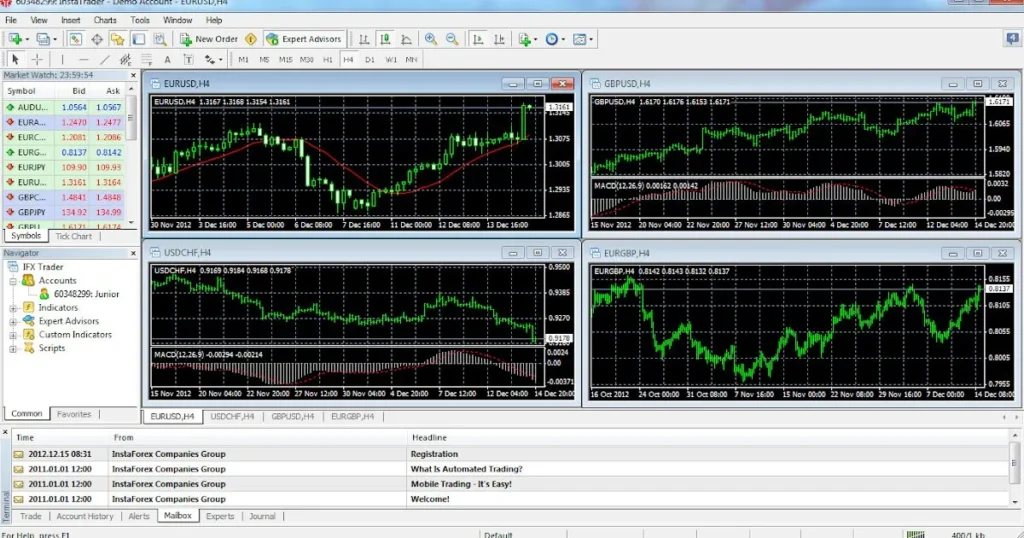
- Brokers provide account dashboards for capital tracking.
- Trading platforms include charts and analytics.
- Risk calculators determine position size.
- Margin calculators monitor available margin.
- Stop-loss and take-profit tools protect capital.
- Automated trading tools follow strategies consistently.
- Alerts and notifications prevent missed opportunities.
- Journals track profit and loss history.
- Spreadsheet software helps in capital planning.
- News feeds inform about market-moving events.
- Backtesting tools evaluate strategy performance.
- Capital management software prevents overexposure.
- Mobile apps allow monitoring on the go.
- Proper tools reduce human error.
- Using technology enhances capital efficiency.
11. Common Mistakes in Forex Capital Trading
- Overtrading is a major mistake, which can quickly deplete capital.
- Ignoring risk management increases the chance of large losses.
- Using too much leverage without planning can wipe out accounts.
- Failing to maintain records of trades and profits causes reporting problems.
- Lack of strategy or discipline leads to impulsive trading decisions.
- Trading based on emotions rather than analysis often results in losses.
- Not learning market fundamentals increases risk exposure.
- Neglecting stop-loss and take-profit levels endangers capital.
- Poor capital allocation may overexpose funds to single trades.
- Ignoring market news can result in unexpected losses.
- Trading without psychological preparation can be destructive.
- Copying others blindly without understanding risks is dangerous.
- Overconfidence after winning streaks may lead to uncontrolled risks.
- Not using demo accounts before real capital trades can cost money.
- Understanding mistakes and learning from them improves long-term success.
12. Benefits of Proper Capital Management
- Protects your trading funds from unexpected losses.
- Improves profit potential by using capital efficiently.
- Reduces psychological stress during market volatility.
- Helps traders stick to defined trading strategies.
- Ensures sustainable trading over long periods.
- Prevents margin calls and account liquidation.
- Encourages discipline and consistency in trading.
- Allows better risk diversification across currency pairs.
- Supports smart use of leverage without overexposure.
- Provides clarity on available funds for trading opportunities.
- Helps measure performance accurately.
- Builds confidence in decision-making.
- Enables long-term financial growth.
- Encourages review and improvement of strategies.
- Overall, proper capital management maximizes trader success.
13. Leveraging Technology in Forex Capital Trading
- Trading platforms allow efficient execution of trades.
- Automated tools help follow strategies consistently.
- Charts and technical indicators improve decision-making.
- Mobile apps provide access to market updates on the go.
- Risk calculators guide position sizing accurately.
- Margin calculators prevent over-leveraging.
- News feeds alert traders to market-moving events.
- Backtesting software evaluates strategy effectiveness.
- Alerts help avoid missed trade opportunities.
- Journaling tools track profit and loss history.
- Portfolio management apps monitor capital allocation.
- AI-assisted tools can help predict trends (with caution).
- Data analytics support market analysis and optimization.
- Technology reduces human error and emotional trading.
- Smart use of technology enhances profitability and safety.
14. How to Grow Your Forex Capital Safely

- Start with a small, manageable trading capital.
- Use risk management strategies like stop-loss orders.
- Avoid over-leveraging when increasing positions.
- Gradually reinvest profits to grow capital sustainably.
- Diversify across different currency pairs.
- Follow trading plans consistently.
- Maintain reserve capital for emergencies.
- Use demo accounts to test new strategies.
- Keep learning and improving market knowledge.
- Avoid chasing losses to protect existing capital.
- Track and analyze your performance regularly.
- Use technology for data-driven decisions.
- Seek professional guidance for advanced strategies.
- Stay updated with economic news and central bank updates.
- Patient and disciplined growth ensures long-term trading success.
15. Future Trends in Forex Capital Trading
- Automation and AI will play a bigger role in trading strategies.
- Digital currencies and crypto trading may impact forex markets.
- Advanced trading platforms will offer better capital management tools.
- Globalization of markets increases access for traders worldwide.
- Regulatory changes may affect leverage and capital requirements.
- Brokers may introduce more flexible account types.
- Education and e-learning will improve trader skills globally.
- Increased market transparency will protect traders’ capital.
- Tools for risk analysis will become more sophisticated.
- Traders will increasingly combine forex with other asset classes.
- Real-time analytics and news integration will improve decision-making.
- Mobile and cloud platforms will allow anytime trading.
- Algorithmic trading will continue to optimize capital use.
- Social trading and copy trading will influence capital deployment strategies.
- Adapting to trends ensures long-term profitability and capital growth.
Conclusion
Forex capital trading allows traders to grow wealth and take advantage of currency market opportunities, but it also comes with risks. Understanding how to manage capital, leverage, margin, and risk is essential for success. Traders who focus on discipline, strategy, and continuous learning are more likely to achieve long-term profits.
Keeping accurate records, using technology effectively, and following proper risk management are essential parts of capital trading. By managing capital responsibly and adapting to market trends, traders can protect their investments while gradually increasing profits. Proper planning, patience, and education make forex capital trading a sustainable and rewarding activity.
FAQs
1. What is forex capital trading?
Forex capital trading is the process of investing funds in the foreign exchange market to buy and sell currencies for profit.
2. How much capital do I need to start forex trading?
Most brokers allow trading with small amounts like $100–$500, but proper capital depends on your risk tolerance and strategy.
3. Can I lose all my capital in forex trading?
Yes, if you over-leverage or ignore risk management, you can lose your trading capital. Managing risk is crucial.
4. How can I protect my forex capital?
Use stop-loss orders, risk management strategies, and proper capital allocation to protect your investments.
5. Is forex capital trading suitable for beginners?
Yes, beginners can start with small capital and demo accounts to practice before trading real money.