“”Simple guides turn beginners into smart forex traders.””
Forex trading is one of the largest financial markets in the world. Millions of traders participate daily to buy and sell currencies, aiming to make profits from price changes. For beginners, entering this market can feel overwhelming because of the complex terms, charts, and strategies. A Forex Trading PDF for beginners can make learning simple and structured.
If you are new to trading, starting with a comprehensive PDF guide can save time, reduce mistakes, and help you learn step-by-step. With the right resources, anyone can understand how the forex market works and start trading confidently.
This guide provides all the essential information, tools, and strategies you need. You will learn about currency pairs, trading platforms, risk management, and practical tips. With this knowledge, you can start your forex trading journey effectively and safely.
1. What is Forex Trading?
- Forex trading is the act of buying and selling currencies.
- It is also called foreign exchange trading.
- Traders aim to profit from currency price changes.
- The forex market operates 24 hours, 5 days a week.
- Major currencies include USD, EUR, GBP, and JPY.
- Forex is influenced by economic news, politics, and market sentiment.
- Currency pairs, such as EUR/USD, are the most traded.
- Leverage allows traders to control large positions with small capital.
- A pip measures the smallest price movement.
- Forex is highly liquid, so trades can be entered and exited easily.
- Beginners often start with demo accounts to practice.
- A PDF guide helps simplify complex concepts.
- Learning basics prevents common trading mistakes.
- Understanding trends and patterns is essential.
- Forex trading requires discipline, patience, and strategy.
2. Why Beginners Need a Forex Trading PDF
- PDFs are perfect for beginners starting from zero.
- They provide organized content that is easy to read.
- PDFs explain trading terms clearly.
- They offer step-by-step instructions for trading.
- They simplify technical and fundamental analysis.
- PDFs help beginners avoid common mistakes.
- They include charts, diagrams, and examples.
- Learning from PDFs saves time compared to random online sources.
- Beginners can learn at their own pace.
- PDFs include risk management strategies.
- They explain the psychology of trading.
- PDFs provide practical entry and exit tips.
- They contain beginner-friendly trading strategies.
- PDFs build confidence before trading live.
- They serve as a reference guide for continuous learning.
3. Understanding Currency Pairs
- Currencies are traded in pairs like EUR/USD.
- The first currency is the base, the second is the quote.
- Price shows how much of the quote currency is needed to buy 1 unit of base.
- Major pairs include EUR/USD, GBP/USD, USD/JPY.
- Cross pairs do not include USD, like EUR/GBP.
- Exotic pairs combine a major and emerging currency, like USD/TRY.
- A pip is the smallest price change.
- Understanding pairs helps analyze market trends.
- Traders monitor economic news for predictions.
- Volatility varies across major, cross, and exotic pairs.
- Liquidity is higher in major pairs, making trading easier.
- Choosing the right pair affects spread and trading cost.
- Beginners should start with major pairs.
- PDFs explain pair behavior with examples.
- Knowing pairs is essential for risk management and strategy.
4. How to Read Forex Charts
- Charts show price movements over time.
- Types of charts include line, bar, and candlestick.
- Candlestick charts show open, high, low, and close prices.
- Charts help identify trends, support, and resistance.
- Trend lines show market direction.
- Indicators like MACD, RSI, and moving averages are useful.
- Charts display short-term and long-term patterns.
- Beginners should start with simple charts.
- Charts are key for technical analysis.
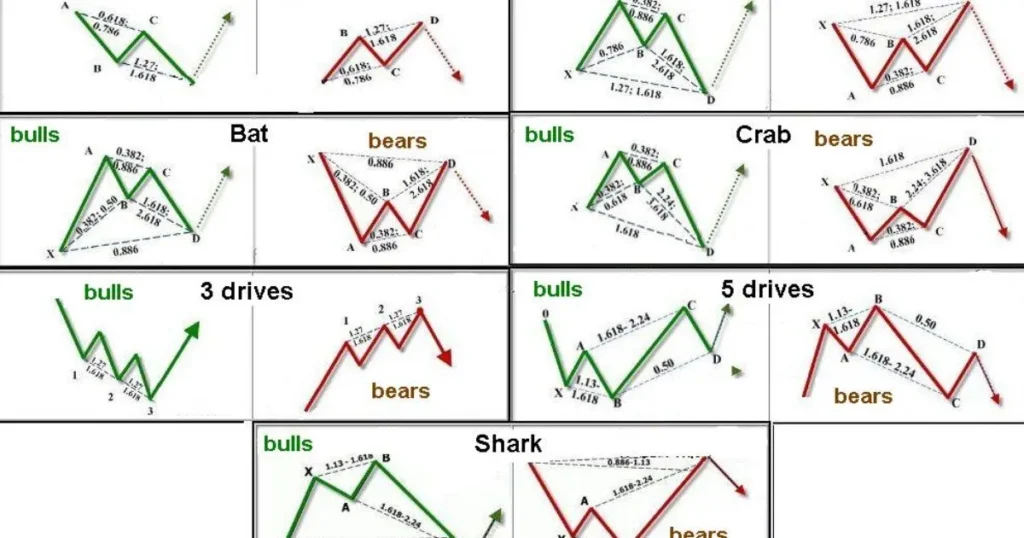
- Patterns like head and shoulders, double top, triangles help predict trends.
- Charts guide entry and exit points.
- PDFs include charts with practical examples.
- Reading charts improves decision-making.
- Charts reduce guesswork in trading.
- Mastering charts helps predict currency movement accurately.
5. Forex Trading Platforms
- Platforms are software used to execute trades.
- Popular platforms include MetaTrader 4, MetaTrader 5, and cTrader.
- They provide real-time price quotes and charts.
- Platforms include technical indicators for analysis.
- Traders can place market, limit, and stop orders.
- Demo accounts allow practice without real money.
- Platforms work on desktop, mobile, and web.
- User-friendly interfaces help navigate easily.
- Platforms allow automated trading with Expert Advisors.
- Some include news feeds and economic calendars.
- Security is important; choose regulated brokers.
- Platforms provide trading history and reports.
- Customizable charts improve analysis efficiency.
- PDFs explain platform functions clearly.
- Platforms are essential for efficient forex trading.
6. Understanding Pips and Lots
- Pips are the smallest price movement in forex trading.
- Usually, a pip equals 0.0001 for most currency pairs.
- Traders measure profit and loss in pips.
- Lot is the standard unit for trading currency.
- A standard lot = 100,000 units of base currency.
- Mini lot = 10,000 units; micro lot = 1,000 units.
- Understanding pips helps calculate profits and losses.
- Lot size affects risk exposure.
- Traders adjust lot size based on capital and risk tolerance.
- Calculating pip value is key for money management.
- Beginners should start with small lots to reduce risk.
- Leverage can increase pip value.
- PDFs explain pip and lot concepts with examples.
- Knowing pips and lots improves trading accuracy.
- Mastering these basics builds confidence in planning trades.
7. Leverage and Margin
- Leverage allows control of larger positions with a small deposit.
- Margin is the money required to open a trade.
- Example: 1:100 leverage = control $100,000 with $1,000.
- Leverage can increase profits and losses.
- High leverage is risky for beginners.
- Proper leverage requires risk management strategies.
- Brokers provide different leverage ratios.
- Margin call occurs when account equity is too low.
- Stop out level closes trades automatically to prevent more loss.
- PDFs explain leverage with practical examples.
- Beginners should use low leverage at the start.
- Understanding leverage prevents unexpected losses.
- Leverage amplifies trading opportunities.
- Always calculate risk per trade considering leverage.
- Proper leverage management ensures long-term trading success.
8. Types of Forex Analysis
- Two main types: fundamental and technical analysis.
- Fundamental analysis examines economic indicators, news, and events.
- Technical analysis studies charts, trends, and patterns.
- Both help in predicting price movements.
- Fundamental analysis focuses on interest rates, GDP, and employment data.
- Technical analysis uses indicators like MACD, RSI, and Bollinger Bands.
- Combining both gives a better market perspective.
- Analysis helps identify entry and exit points.
- PDFs provide step-by-step methods for beginners.
- Beginners should practice analysis in demo accounts.
- Analysis improves decision-making and trading accuracy.
- Ignoring analysis increases risk of losses.
- Simple strategies are enough for beginners.
- Learning analysis builds confidence in trading.
- Consistent analysis improves long-term trading results.
9. Risk Management in Forex
- Risk management is protecting capital from large losses.
- Only risk 1–2% of capital per trade.
- Use stop-loss orders to limit losses.
- Set take-profit levels to secure gains.
- Avoid trading based on emotions.
- Diversify trades across different currency pairs.
- Know account leverage and its risk.
- PDF guides provide practical risk examples.
- Record trades in a journal to improve strategy.
- Analyze past mistakes to reduce future losses.
- Keep trading capital separate from personal funds.
- Avoid overtrading; focus on quality trades.
- Risk management ensures long-term success.
- Beginners learn faster with structured risk guidelines.
- Proper risk control builds confidence in trading decisions.
10. Trading Strategies for Beginners
- Start with simple strategies suitable for beginners.
- Trend following strategy helps identify market direction.
- Breakout strategy trades when price breaks key levels.
- Range trading works when price moves sideways.
- Scalping strategy involves short-term trades for small profits.
- PDF guides include step-by-step strategy instructions.
- Always test strategies in demo accounts first.
- Combine strategies with risk management.
- Avoid using too many strategies at once; keep it simple.
- Adjust strategies according to market conditions.
- Record strategy performance in a trading journal.
- Use indicators to support decision-making.
- Strategies help beginners gain consistent results.
- Focus on one or two strategies initially.
- Strategy practice builds trading confidence and skill.
11. Forex Trading Psychology
- Emotions affect trading decisions.
- Fear can cause early exits.
- Greed can lead to overtrading.
- Discipline is essential for long-term success.
- Patience helps wait for the right trade.
- PDFs include tips for controlling emotions.
- Avoid revenge trading after losses.
- Focus on process, not just profits.
- Confidence grows by following a trading plan.
- Journaling emotions helps improve self-awareness.
- Mindset impacts risk management decisions.
- Stick to predefined strategies.
- Self-control reduces stress in trading.
- Beginners should practice mental discipline daily.
- Trading psychology is as important as technical knowledge.
12. Demo Accounts for Practice
- Demo accounts allow trading with virtual money.
- They simulate real market conditions.
- Beginners can learn platforms safely.
- Practice helps understand leverage and margin.
- Test strategies before live trading.
- Learn to read charts and indicators.
- PDFs guide beginners on demo account setup.
- Develop risk management habits in a demo.
- Avoid overconfidence; demo results can differ from real trading.
- Practice builds decision-making skills.
- Track performance in demo accounts.
- Adjust strategies based on demo feedback.
- Demo trading reduces emotional stress.
- Helps beginners gain confidence before real trades.
- Transition to live trading gradually after sufficient practice.
13. Choosing a Forex Broker
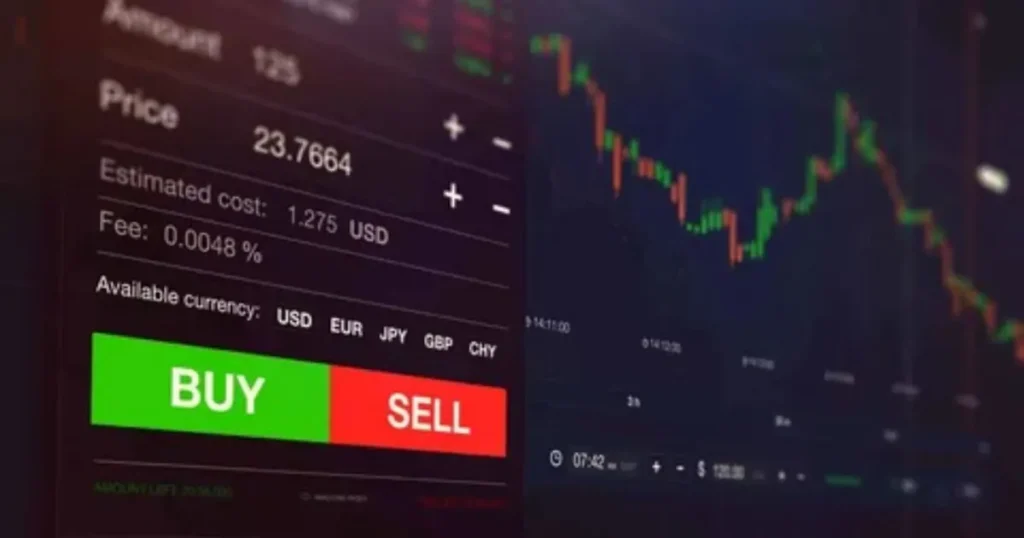
- Brokers are intermediaries between traders and the market.
- Choose regulated brokers for safety.
- Check the trading platforms they provide.
- Consider spreads and commissions.
- Leverage options vary between brokers.
- Customer support is important for beginners.
- Look for brokers offering demo accounts.
- Ensure fast order execution.
- Check reviews from other traders.
- Security of funds is crucial.
- Some brokers offer educational resources.
- Compare withdrawal and deposit methods.
- Choose brokers with transparent policies.
- PDFs provide tips to select trustworthy brokers.
- The right broker improves trading efficiency and confidence.
14. Common Beginner Mistakes
- Trading without knowledge or strategy.
- Overtrading or risking too much capital.
- Ignoring risk management.
- Using excessive leverage.
- Letting emotions drive decisions.
- Switching strategies too often.
- Not recording trades in a journal.
- Ignoring market news and analysis.
- Expecting quick profits without learning.
- Trading on tips without understanding.
- Not practicing in demo accounts first.
- Focusing on profit instead of process.
- Neglecting psychology and mindset.
- Trading with personal emergency funds.
- PDFs highlight these mistakes to avoid losses.
15. Continuous Learning and Improvement

- Forex is constantly changing, so learning never stops.
- Read updated PDF guides and ebooks regularly.
- Follow economic news and events.
- Practice strategies in demo accounts.
- Record all trades in a journal.
- Review wins and losses for improvement.
- Attend webinars or online courses.
- Learn from experienced traders.
- Update strategies according to market trends.
- Study technical and fundamental analysis continuously.
- Join trading communities for knowledge sharing.
- Learn to manage risk and emotions better.
- PDF guides provide structured learning paths.
- Patience and discipline are key for long-term success.
- Continuous learning ensures you become a confident and skilled trader.
Conclusion
Forex Trading PDF for Beginners can be complex, but a beginner-friendly PDF makes it simple and structured. By understanding currency pairs, charts, strategies, risk management, and trading psychology, beginners can trade confidently. Using demo accounts and learning continuously ensures long-term success in forex trading.
FAQs About Forex Trading PDF for Beginners
1. What is a Forex Trading PDF for beginners?
A Forex Trading PDF is a guide or book designed to teach beginners how to trade currencies. It explains concepts like currency pairs, pips, lots, leverage, charts, and strategies in a simple, step-by-step way. PDFs make learning easy and structured.
2. Can I learn Forex trading without a PDF?
Yes, you can learn from online articles, videos, or courses, but a PDF is convenient because it provides all the essential knowledge in one place. Beginners can read it at their own pace and revisit lessons anytime.
3. How do I start trading with a Forex PDF?
First, study the PDF thoroughly. Next, practice on a demo account to understand trading platforms and strategies. Finally, when confident, start trading with a small amount of real money while applying risk management rules.
4. Is Forex trading risky for beginners?
Yes, Forex trading carries risks, especially for beginners. Losses can happen due to leverage, market volatility, or emotional trading. Learning from a PDF, using demo accounts, and following risk management strategies can reduce risk.
5. Which currencies should beginners trade first?
Beginners should start with major currency pairs like EUR/USD, GBP/USD, and USD/JPY. These pairs are highly liquid, have lower spreads, and are easier to analyze compared to exotic or cross pairs.