“”Understanding the difference between luck and strategy can change how you see forex trading forever.””
Forex trading is one of the most talked-about ways to make money online. Many people are attracted to it because it offers the opportunity to earn profits by buying and selling currencies. However, a common question that beginners often ask is: Is forex trading gambling? This question arises because both activities involve risk, uncertainty, and the potential to lose money.
If you are someone who is curious about forex trading or already thinking about starting, it is important to clearly understand how it works. Without proper knowledge, it is easy to confuse trading with gambling. This misunderstanding can lead to poor decisions, financial losses, and frustration. So before jumping into trading, you should learn how it actually works and what makes it different from gambling.
In this article, we will break down the truth in simple words. You will learn the key differences, similarities, risks, and strategies involved in forex trading. By the end, you will have a clear idea of whether forex trading is gambling or a skill-based activity that can be learned and improved over time.
1. What Is Forex Trading?
- Forex trading means buying one currency and selling another at the same time.
- It happens in the foreign exchange market, the largest market globally.
- Traders deal with currencies like USD, EUR, GBP, and JPY.
- The main goal is to earn profit from price changes.
- Traders buy when they expect prices to rise.
- They sell when they expect prices to fall.
- The market runs 24 hours a day.
- It is active across different global financial centers.
- Both beginners and professionals can participate.
- Online platforms make trading accessible.
- Learning basic concepts is very important.
- Without knowledge, losses can happen quickly.
- Trading involves analysis and planning.
- It is not purely based on luck.
- Skills improve with time and experience.
2. What Is Gambling?
- Gambling means risking money on an uncertain result.
- It mainly depends on luck instead of skill.
- Common forms include casinos, betting, and lotteries.
- Outcomes are usually random.
- Players have little control over results.
- The odds are often against the player.
- Casinos always have a built-in advantage.
- Most gamblers lose money over time.
- Short-term wins can happen.
- Long-term success is rare.
- Emotions strongly influence decisions.
- Many people chase their losses.
- There is no reliable winning strategy.
- Gambling lacks structured analysis.
- It can become addictive if uncontrolled.
3. Key Difference Between Trading and Gambling
- The main difference is control and strategy.
- Forex trading uses analysis and planning.
- Gambling depends mostly on luck.
- Traders study charts and trends.
- Gamblers rely on random outcomes.
- Trading includes risk management.
- Gambling often ignores risk control.
- Traders can improve skills over time.
- Gamblers cannot control outcomes.
- Trading decisions are data-driven.
- Gambling decisions are emotional.
- Discipline is essential in trading.
- Gambling often lacks discipline.
- Trading focuses on long-term growth.
- Gambling focuses on quick wins.
4. Role of Skill in Forex Trading
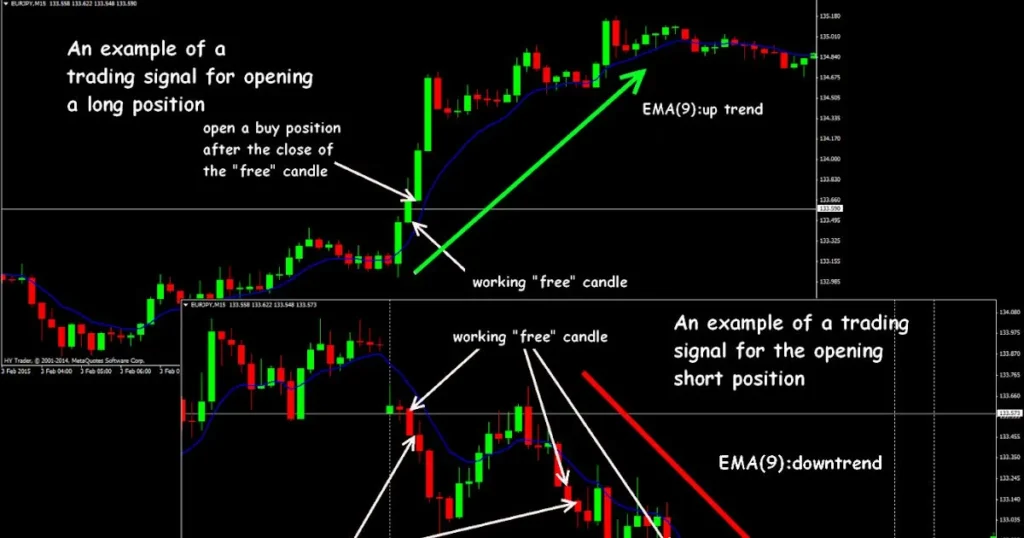
- Forex trading requires strong analytical skills.
- Traders study market trends regularly.
- They use charts and indicators.
- Knowledge improves decision-making.
- Practice helps build confidence.
- Experience reduces mistakes.
- Skilled traders follow a plan.
- They avoid emotional decisions.
- Learning never stops in trading.
- Strategies are tested before use.
- Risk is calculated carefully.
- Consistency is the main goal.
- Successful traders stay disciplined.
- Skill separates traders from gamblers.
- Long-term success depends on learning.
5. Role of Luck in Forex Trading
- Luck can affect short-term results.
- Unexpected news can move markets.
- Traders cannot control everything.
- Even good trades can fail.
- Luck is not a reliable strategy.
- Professionals depend on planning, not luck.
- Risk management reduces bad outcomes.
- Consistency beats random luck.
- Luck may bring quick profits.
- But it cannot ensure long-term success.
- Traders focus on probability.
- Smart decisions reduce dependence on luck.
- Market behavior is partly unpredictable.
- Control comes from preparation.
- Luck plays a small role compared to skill.
6. Risk Management in Forex Trading
- Risk management is a key part of trading.
- Traders never risk all their money.
- They use stop-loss orders.
- This helps limit losses.
- Position size is carefully planned.
- Good traders protect their capital.
- Risk is calculated before entering a trade.
- Losses are part of the process.
- Managing risk ensures survival.
- Emotional control is important.
- Traders follow strict rules.
- They avoid overtrading.
- Discipline reduces major losses.
- Risk management separates trading from gambling.
- It builds long-term stability.
7. Emotional Control in Trading
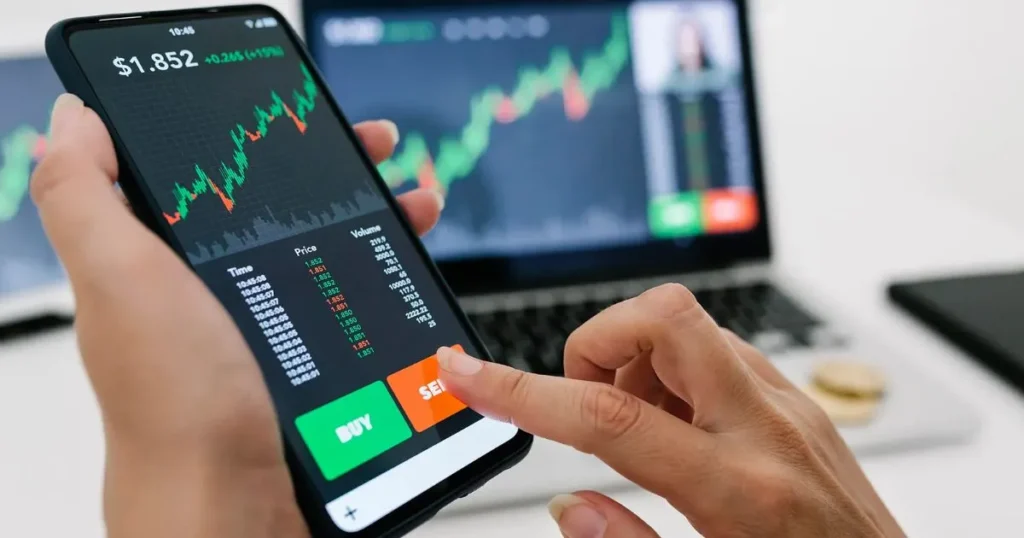
- Emotions can affect trading decisions.
- Fear and greed are common issues.
- Successful traders stay calm.
- They follow a trading plan.
- Emotional trading leads to losses.
- Discipline is very important.
- Traders avoid revenge trading.
- They accept losses calmly.
- Patience is a key skill.
- Confidence comes with experience.
- Decisions are based on logic.
- Emotional control improves results.
- Traders learn from mistakes.
- Consistency matters more than excitement.
- Emotional discipline separates trading from gambling.
8. Use of Strategy in Forex
- Traders use well-defined strategies.
- Strategies are based on analysis.
- They include entry and exit rules.
- Backtesting improves performance.
- Strategies reduce guesswork.
- Traders follow clear systems.
- Consistency improves success rate.
- Strategies evolve with experience.
- Different styles suit different traders.
- Scalping, swing, and day trading are common.
- Planning reduces risk.
- Random trading leads to losses.
- Strategies create structure.
- Discipline ensures success.
- Strategy is a key difference from gambling.
9. Time and Effort Required
- Forex trading needs time to learn.
- Beginners must study basic concepts.
- Practice is essential for improvement.
- Successful traders invest time daily.
- Learning includes charts and analysis.
- Experience builds confidence.
- It is not a get-rich-quick method.
- Patience is required.
- Consistency brings results.
- Traders review their performance.
- Continuous learning is necessary.
- Effort separates professionals from beginners.
- Gambling requires no learning.
- Trading demands dedication.
- Hard work leads to improvement.
10. Long-Term vs Short-Term Thinking
- Traders focus on long-term success.
- They aim for steady growth.
- Gambling focuses on quick wins.
- Short-term thinking increases risk.
- Long-term plans reduce losses.
- Traders track performance over time.
- Consistency matters more than big wins.
- Patience leads to better results.
- Quick profits can be risky.
- Long-term mindset builds stability.
- Traders avoid impulsive decisions.
- Planning ensures better outcomes.
- Discipline supports long-term success.
- Gambling encourages instant rewards.
- Trading rewards patience.
11. Probability vs Luck
- Forex trading uses probability concepts.
- Traders calculate risk and reward.
- Decisions are based on data.
- Gambling relies on luck.
- Probability increases success chances.
- Traders accept uncertainty.
- They aim for positive outcomes over time.
- Losses are part of probability.
- Consistency improves results.
- Luck is unpredictable.
- Probability is measurable.
- Traders trust systems, not luck.
- Risk is controlled through planning.
- Smart decisions increase success rate.
- Probability makes trading different from gambling.
12. Common Mistakes That Make Trading Look Like Gambling
- Trading without a plan.
- Ignoring risk management.
- Overtrading frequently.
- Chasing quick profits.
- Following emotions.
- Not using stop-loss.
- Lack of education.
- Copying others blindly.
- Trading with full capital.
- Not reviewing mistakes.
- Acting on rumors.
- Lack of discipline.
- Unrealistic expectations.
- No proper strategy.
- Treating trading as a game.
13. Can Forex Trading Become Gambling?
- Yes, it can become gambling.
- This happens without proper knowledge.
- Emotional decisions increase risk.
- Lack of strategy leads to losses.
- Overconfidence is dangerous.
- Ignoring risk management is risky.
- Trading without discipline causes problems.
- Quick profit mindset is harmful.
- Lack of patience leads to failure.
- Gambling behavior includes random trades.
- Responsible trading avoids this.
- Education is the key solution.
- Discipline ensures safety.
- Proper planning reduces risk.
- Trading becomes safe with knowledge.
14. Benefits of Learning Forex Properly
- Builds financial knowledge.
- Improves decision-making skills.
- Teaches discipline and patience.
- Creates income opportunities.
- Helps understand global markets.
- Develops analytical thinking.
- Encourages long-term planning.
- Reduces emotional mistakes.
- Improves money management.
- Increases confidence.
- Offers flexible working options.
- Builds professional skills.
- Helps control risks.
- Promotes smart investing habits.
- Leads to better financial growth.
15. Final Verdict: Is Forex Trading Gambling?
- Forex trading is not gambling when done correctly.
- It involves skill, analysis, and strategy.
- Risk is managed carefully.
- Traders use data for decisions.
- Gambling depends on luck.
- Trading depends on knowledge.
- Discipline plays a major role.
- Long-term thinking is important.
- Education reduces risk.
- Emotional control improves success.
- Strategy ensures consistency.
- Beginners must learn first.
- Trading without knowledge becomes gambling.
- Proper approach leads to success.
- Forex trading is a skill-based activity, not pure chance.
Conclusion
Forex trading and gambling may look similar at first, but they are very different in reality. The key difference lies in knowledge, strategy, and discipline. While gambling depends on luck, forex trading gives you the ability to learn, improve, and make informed decisions.
However, it is also important to understand that forex trading is not easy. Without proper education and risk management, it can quickly turn into gambling behavior. That is why every beginner should focus on learning before investing real money.
In the end, forex trading is what you make of it. If you treat it seriously, follow strategies, and manage risks, it becomes a powerful financial skill. But if you rely on luck and emotions, it can be as risky as gambling.
FAQs About “Is Forex Trading Gambling”
1. Is forex trading the same as gambling?
No, forex trading is not the same as gambling when done correctly. Trading is based on analysis, strategy, and risk management, while gambling depends mostly on luck and chance. However, if someone trades without knowledge or discipline, it can become similar to gambling.
2. Why do people think forex trading is gambling?
Many people think this because both involve risk and uncertainty. Beginners often lose money due to lack of knowledge, which makes trading look like gambling. Also, emotional decisions and quick profit expectations create confusion between the two.
3. Can beginners avoid gambling behavior in forex trading?
Yes, beginners can avoid it by learning proper trading strategies, using risk management, and following a clear plan. Practicing on demo accounts and avoiding emotional decisions are also important steps to stay away from gambling behavior.
4. Is it possible to make consistent profit in forex trading?
Yes, but it requires time, patience, and skill development. Consistent profit is not guaranteed, but traders who use strong strategies, manage risk, and stay disciplined have better chances of long-term success.
5. What makes forex trading safe and professional?
Forex trading becomes safer when you use stop-loss orders, proper planning, and disciplined strategies. Education, emotional control, and a long-term mindset turn trading into a professional skill instead of a risky activity like gambling.