“”Learn the right steps, legal requirements, and trading strategies to start forex trading in Pakistan in 2026.””
Forex trading has become one of the most popular online financial activities in Pakistan. Thousands of people are interested in buying and selling currencies to earn profits from price movements in the global foreign exchange market. With modern trading platforms, better internet access, and growing financial awareness, more Pakistanis are considering forex trading as a potential income source. However, success in forex trading requires proper knowledge, discipline, and risk management.
If you are planning to start forex trading in Pakistan in 2026, this guide will help you understand the complete process. From choosing a reliable broker and opening a trading account to learning strategies and managing risk, every important step is covered. Taking action today can help you build valuable trading skills and avoid common beginner mistakes.
This guide provides detailed information about forex trading regulations, account setup, trading tools, market analysis methods, risk management techniques, and practical tips for beginners. Whether you are completely new to trading or looking to improve your existing knowledge, this article offers useful information to help you start your forex trading journey with confidence.
1. What Is Forex Trading?

- Forex trading means buying one currency and selling another.
- The forex market is the largest financial market in the world.
- Trillions of dollars are traded daily.
- Traders earn from currency price movements.
- Popular currency pairs include EUR/USD and GBP/USD.
- Trading takes place online through brokers.
- The market operates 24 hours a day.
- It runs five days a week.
- Forex trading attracts beginners and professionals.
- Low entry barriers make it accessible.
- Traders use charts and indicators.
- Economic news impacts currency prices.
- Understanding market basics is essential.
- Education helps reduce trading mistakes.
- A strong foundation improves long-term success.
2. Is Forex Trading Legal in Pakistan?
- Many people ask about the legality of forex trading.
- Traders should follow local financial regulations.
- Research broker compliance carefully.
- Choose internationally regulated brokers.
- Avoid unlicensed trading platforms.
- Read broker terms and conditions.
- Understand tax responsibilities.
- Keep accurate trading records.
- Use secure payment methods.
- Verify withdrawal procedures.
- Follow government financial guidelines.
- Stay updated on regulatory changes.
- Transparency is important.
- Compliance reduces unnecessary risks.
- Legal awareness protects traders.
3. Understanding the Forex Market
- The forex market connects buyers and sellers worldwide.
- Banks play a major role.
- Financial institutions influence liquidity.
- Retail traders participate through brokers.
- Currency values change constantly.
- Supply and demand affect prices.
- Interest rates influence movements.
- Inflation impacts currencies.
- Political events create volatility.
- Economic growth affects exchange rates.
- Global news drives trends.
- Market sessions overlap.
- Volatility creates opportunities.
- Knowledge improves decision-making.
- Understanding market structure is essential.
4. How Forex Trading Works
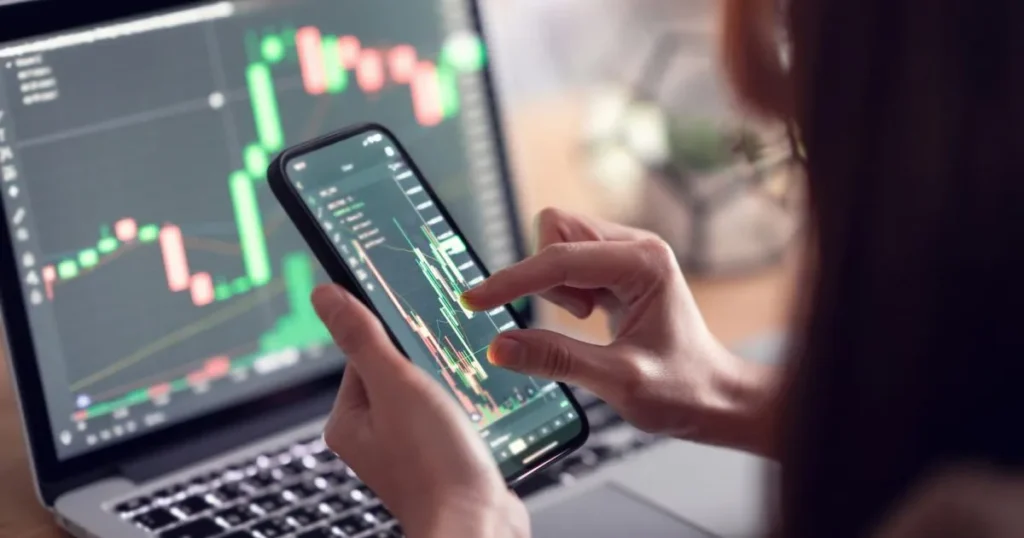
- Currencies trade in pairs.
- One currency is bought while another is sold.
- Prices move in pips.
- Traders analyze market direction.
- Buy orders expect price increases.
- Sell orders expect price decreases.
- Profit depends on price movement.
- Brokers provide trading platforms.
- Orders execute electronically.
- Charts display price action.
- Technical analysis helps identify opportunities.
- Risk management protects capital.
- Leverage increases market exposure.
- Experience improves performance.
- Practice is necessary before live trading.
5. Choosing a Reliable Forex Broker
- Selecting the right broker is critical.
- Check regulation and licensing.
- Review broker reputation.
- Compare trading costs.
- Analyze spreads and commissions.
- Evaluate customer support.
- Test platform usability.
- Review deposit options.
- Check withdrawal speed.
- Read user feedback.
- Ensure account security.
- Verify educational resources.
- Compare account types.
- Use demo accounts first.
- Reliable brokers improve trading experiences.
6. Opening a Forex Trading Account
- Registration is usually simple.
- Provide personal information.
- Verify your identity.
- Submit required documents.
- Complete account approval.
- Select account type.
- Set security measures.
- Deposit trading funds.
- Access the trading platform.
- Customize settings.
- Learn platform features.
- Start with small amounts.
- Practice responsible trading.
- Maintain account security.
- Keep records organized.
7. Forex Trading Platforms for Beginners
- Trading platforms execute trades.
- Platforms provide market data.
- Charts assist analysis.
- Indicators help identify trends.
- Mobile access offers flexibility.
- Desktop platforms provide advanced tools.
- Fast execution is important.
- User-friendly design helps beginners.
- Practice accounts support learning.
- Customization improves efficiency.
- Technical tools increase accuracy.
- Market alerts save time.
- Platform stability matters.
- Continuous learning is essential.
- Choose a platform that suits your needs.
8. Understanding Currency Pairs
- Currency pairs are the foundation of forex.
- Major pairs have high liquidity.
- Minor pairs offer alternatives.
- Exotic pairs involve emerging markets.
- Each pair behaves differently.
- Volatility varies.
- Spreads differ among pairs.
- News affects movements.
- Traders study historical behavior.
- Trend analysis improves decisions.
- Liquidity impacts execution.
- Pair selection matters.
- Beginners should focus on majors.
- Simplicity reduces confusion.
- Knowledge improves trading performance.
9. Basic Forex Trading Strategies
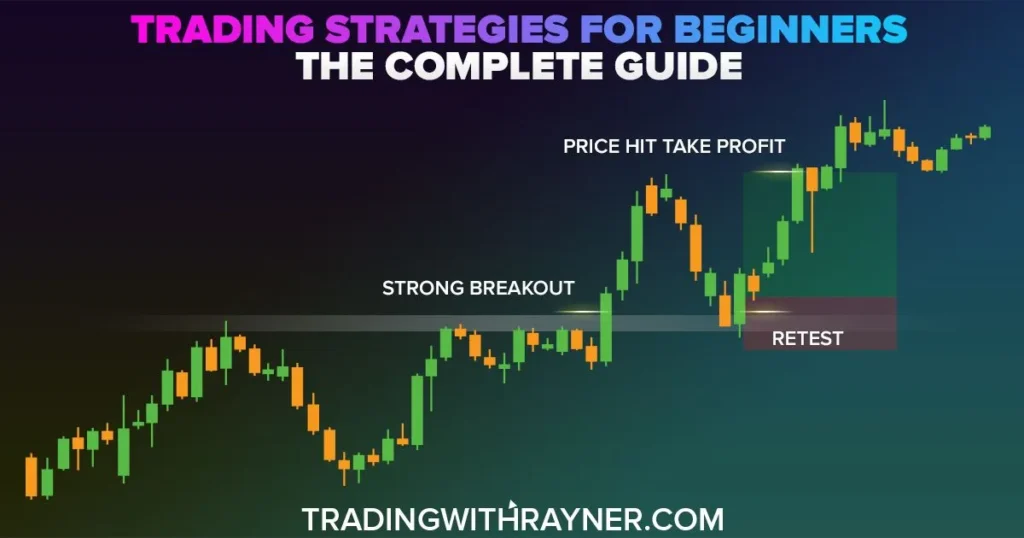
- Strategies create structure.
- Trend trading is popular.
- Breakout trading identifies momentum.
- Scalping targets small moves.
- Swing trading holds positions longer.
- Position trading follows larger trends.
- Strategy testing is important.
- Rules improve discipline.
- Consistency matters.
- Emotional decisions cause losses.
- Risk management supports success.
- Market conditions vary.
- Flexibility is valuable.
- Continuous improvement is necessary.
- Simple strategies work effectively.
10. Risk Management in Forex Trading
- Risk management protects capital.
- Never risk large amounts.
- Use stop-loss orders.
- Set realistic targets.
- Control position sizes.
- Avoid overtrading.
- Manage emotions.
- Preserve trading funds.
- Follow trading plans.
- Diversify carefully.
- Track performance.
- Learn from mistakes.
- Protect profits.
- Consistency builds confidence.
- Long-term survival is the priority.
11. Technical Analysis for Forex Traders
- Technical analysis studies charts.
- Price action is important.
- Support levels guide decisions.
- Resistance levels indicate barriers.
- Trend lines identify direction.
- Indicators provide signals.
- Moving averages are common.
- RSI measures momentum.
- MACD identifies trends.
- Patterns reveal opportunities.
- Confirmation reduces risk.
- Analysis improves timing.
- Practice develops skills.
- Accuracy improves gradually.
- Technical knowledge supports success.
12. Fundamental Analysis in Forex
- Economic events affect currencies.
- Interest rates influence markets.
- Inflation impacts value.
- Employment data matters.
- GDP measures growth.
- Central bank decisions create volatility.
- News releases affect prices.
- Global events influence sentiment.
- Traders monitor calendars.
- Understanding economics is beneficial.
- Market reactions vary.
- Preparation is important.
- Information improves forecasts.
- Analysis enhances strategy.
- Fundamentals drive long-term trends.
13. Common Mistakes New Traders Make
- Trading without education.
- Ignoring risk management.
- Using excessive leverage.
- Overtrading frequently.
- Chasing losses.
- Emotional decision-making.
- Lack of planning.
- Poor record keeping.
- Unrealistic expectations.
- Following random signals.
- Ignoring market news.
- Trading large positions.
- Lack of patience.
- Avoiding continuous learning.
- Repeating mistakes reduces profitability.
14. Building a Forex Trading Plan
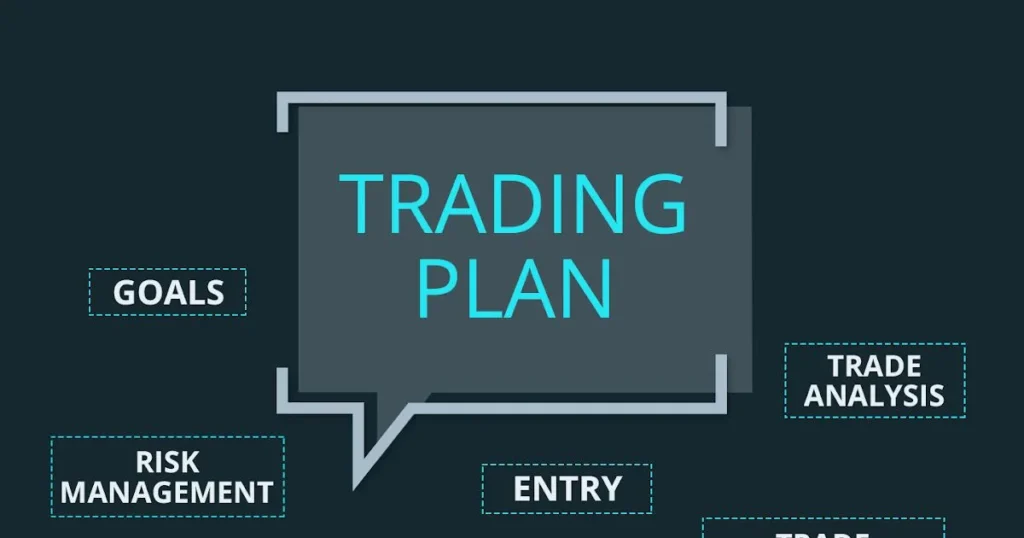
- Every trader needs a plan.
- Define trading goals.
- Set risk limits.
- Choose a strategy.
- Establish entry rules.
- Define exit rules.
- Maintain discipline.
- Track performance.
- Review results regularly.
- Improve weaknesses.
- Follow consistent routines.
- Manage emotions effectively.
- Keep realistic expectations.
- Focus on long-term growth.
- Strong planning improves success.
15. How to Become a Successful Forex Trader in Pakistan
- Learn continuously.
- Practice regularly.
- Use demo accounts.
- Follow risk management.
- Stay disciplined.
- Develop patience.
- Control emotions.
- Keep a trading journal.
- Review performance often.
- Focus on consistency.
- Avoid shortcuts.
- Improve strategies gradually.
- Stay informed about markets.
- Protect trading capital.
- Success comes through education and experience.
Conclusion
Starting forex trading in Pakistan in 2026 requires preparation, education, and discipline. While the forex market offers significant opportunities, successful trading depends on understanding market behavior, selecting a trustworthy broker, developing a trading strategy, and managing risk effectively. Beginners should focus on learning first and trading second.
By following the steps discussed in this guide, traders can build a stronger foundation and avoid many common mistakes. Continuous learning, patience, and proper risk management remain the key factors behind long-term success in the forex market.
FAQs
1. Can beginners start forex trading in Pakistan?
Yes, beginners can start forex trading in Pakistan by learning market basics, using a demo account, and choosing a reliable broker. It is important to gain knowledge before investing real money.
2. How much money do I need to start forex trading?
The required amount depends on the broker. Many brokers allow traders to start with as little as $10 to $100, but beginners should only invest money they can afford to lose.
3. Which currency pairs are best for beginners?
Beginners often prefer major currency pairs such as EUR/USD, GBP/USD, and USD/JPY because they have high liquidity, lower spreads, and more market information available.
4. Is forex trading risky?
Yes, forex trading involves risk because currency prices can change quickly. Using proper risk management, stop-loss orders, and a trading plan can help reduce potential losses.
5. How long does it take to become a successful forex trader?
There is no fixed timeline. Most traders spend months or years learning, practicing, and improving their skills. Success depends on education, discipline, patience, and consistent risk management.