**“Mastering ICT Concepts helps traders build consistency, protect capital, and increase their chances of passing a Prop Firm Challenge.“
Passing a Prop Firm Challenge is one of the biggest goals for many forex traders. A funded trading account gives you the opportunity to trade with a firm’s capital instead of risking all of your own money. However, passing the evaluation requires much more than making profitable trades. You must follow strict risk management, avoid emotional decisions, and maintain consistent trading performance. This is where ICT (Inner Circle Trader) Concepts become valuable because they provide a structured way to understand how the market moves.
If you are serious about becoming a funded trader, now is the perfect time to improve your trading knowledge and build a professional trading plan. Instead of relying on indicators alone, learn how to identify Market Structure, Liquidity, Order Blocks, Fair Value Gaps (FVGs), and ICT Kill Zones. These concepts can help you make smarter trading decisions while reducing unnecessary losses. Practice every concept on a demo account before applying it to a real prop firm evaluation.
This guide explains how ICT Concepts can help traders pass a Prop Firm Challenge with confidence. You will learn how professional traders analyze the market, manage risk, identify high-probability trade setups, and avoid common mistakes that cause many challenge failures. By applying these concepts together, you can develop a disciplined trading approach that meets the rules of most funded account programs.
1. How ICT Market Structure Helps You Pass a Prop Firm Challenge
Understanding Market Structure is the foundation of every successful ICT trader. It tells you whether the market is moving upward, downward, or sideways before you place any trade.
- Market Structure helps traders identify the overall market trend.
- Always look for Higher Highs (HH) and Higher Lows (HL) in an uptrend.
- In a downtrend, focus on Lower Highs (LH) and Lower Lows (LL).
- Avoid trading against the main market direction.
- Wait for a confirmed Break of Structure (BOS) before entering.
- A valid trend usually provides safer trading opportunities.
- Trading with the trend increases your probability of success.
- Use higher timeframes to identify the major trend.
- Lower timeframes help refine precise entries.
- Structure prevents emotional buying and selling.
- Many funded traders rely on structure instead of indicators.
- Combine Market Structure with Liquidity Analysis.
- Confirm entries using Order Blocks after structure shifts.
- Always wait for confirmation instead of predicting reversals.
- A strong understanding of structure helps traders remain disciplined throughout a Prop Firm Challenge.
2.Using Liquidity Sweeps in a Prop Firm Challenge
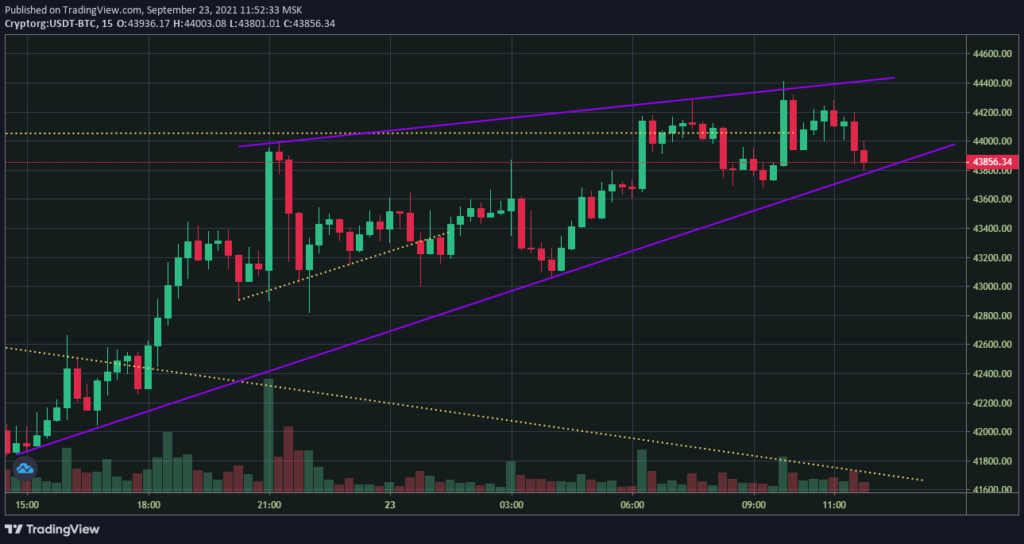
One of the most important ideas in ICT Trading is understanding Liquidity. Large institutions often target areas where many stop-loss orders are placed before moving the market in the intended direction.
- Liquidity exists above swing highs and below swing lows.
- Institutions often collect liquidity before creating the real move.
- Never chase the first breakout.
- Wait for a clear Liquidity Sweep.
- Watch how price reacts after taking previous highs or lows.
- Liquidity grabs often remove retail traders from the market.
- False breakouts usually trap inexperienced traders.
- Patience is essential before entering a trade.
- Use market structure confirmation after the sweep.
- Enter only when price shows strong rejection.
- Combine liquidity with Fair Value Gaps (FVGs).
- Look for Order Blocks after liquidity is taken.
- Avoid entering trades during uncertain market conditions.
- Practice identifying liquidity on historical charts.
- Understanding liquidity helps traders avoid common mistakes during a Prop Firm Challenge.
3.Risk Management Rules for Funded Accounts
Even the best trading strategy cannot succeed without proper Risk Management. Most traders fail prop firm evaluations because they ignore risk rather than because of poor entries.
- Risk only 1% or less per trade.
- Never overtrade after a losing position.
- Set a realistic daily profit target.
- Respect the firm’s Maximum Daily Loss limit.
- Respect the overall Maximum Drawdown rule.
- Always use a protective Stop Loss.
- Avoid increasing lot size after losses.
- Focus on consistency instead of quick profits.
- Protect your trading account before seeking rewards.
- Never trade emotionally.
- Skip low-quality setups.
- Maintain a detailed trading journal.
- Review every winning and losing trade.
- Build confidence through disciplined execution.
- Strong Risk Management is often the biggest reason traders successfully pass a Prop Firm Challenge.
4.How to Use Order Blocks for High-Probability Entries
An Order Block is one of the most popular ICT Concepts because it highlights areas where institutional buying or selling may have started.
- An Order Block forms before a strong market movement.
- Institutions often return to these areas.
- Wait for price to revisit the Order Block.
- Look for confirmation before entering.
- Combine Order Blocks with Market Structure.
- Use them alongside Liquidity Sweeps.
- Higher timeframe Order Blocks are generally stronger.
- Lower timeframe entries improve risk-to-reward ratios.
- Avoid entering without confirmation.
- Watch for rejection candles.
- Confirm trades with volume and momentum.
- Use proper stop-loss placement.
- Manage risk on every setup.
- Practice identifying Order Blocks across different markets.
- Correctly using Order Blocks helps traders achieve higher-probability entries while protecting trading capital.
5.ICT Kill Zones Explained

ICT Kill Zones are specific trading sessions where market activity and volatility are usually higher. Many professional traders wait for these sessions before looking for trade opportunities.
- ICT Kill Zones provide better market movement.
- The London Session is known for strong volatility.
- The New York Session often continues major trends.
- Avoid trading during quiet market periods.
- Wait for high-quality setups inside Kill Zones.
- Combine Kill Zones with Liquidity analysis.
- Watch for Market Structure changes.
- Use Order Blocks for entry confirmation.
- Confirm setups with Fair Value Gaps (FVGs).
- Follow your trading plan.
- Avoid forcing trades outside active sessions.
- Practice identifying session behavior.
- Review historical charts to understand timing.
- Consistency improves when trading during active market hours.
- Proper use of ICT Kill Zones helps traders increase trade quality and improve their chances of passing a Prop Firm Challenge.
6.Fair Value Gaps (FVGs) and Why They Matter
Fair Value Gaps (FVGs) are one of the most powerful ICT concepts because they show areas where the market moved too quickly, leaving an imbalance between buyers and sellers. Price often returns to these gaps before continuing in the original direction.
- A Fair Value Gap forms after a strong impulsive price move.
- It represents an imbalance between buying and selling pressure.
- Price frequently revisits the gap before continuing the trend.
- FVGs can act as high-probability entry zones.
- Combine FVGs with Market Structure for better confirmation.
- Look for a Liquidity Sweep before entering an FVG trade.
- Higher timeframe FVGs usually provide stronger trading opportunities.
- Lower timeframe FVGs help traders refine precise entries.
- Wait for price rejection instead of entering immediately.
- Use a proper Stop Loss below or above the gap.
- Aim for a favorable Risk-to-Reward Ratio on every trade.
- Avoid trading every gap because not all FVGs remain valid.
- Practice identifying clean FVGs on historical charts.
- Combine FVGs with Order Blocks for stronger confluence.
- Using Fair Value Gaps correctly helps traders improve entry timing while following the strict rules of a Prop Firm Challenge.
7.Optimal Trade Entry (OTE) Strategy
The Optimal Trade Entry (OTE) is an ICT technique that uses Fibonacci Retracement levels to identify areas where price is likely to reverse and continue the main trend.
- OTE helps traders enter with better precision.
- It is commonly based on the 62% to 79% Fibonacci retracement zone.
- Always identify the market trend before using OTE.
- Use OTE only after a confirmed Break of Structure (BOS).
- Wait for price to retrace into the OTE zone.
- Confirm the setup with an Order Block.
- Look for a nearby Fair Value Gap.
- Watch for a Liquidity Sweep before entry.
- Enter only after receiving confirmation from price action.
- Place the Stop Loss beyond the invalidation point.
- Set realistic profit targets based on market structure.
- Avoid forcing trades if price never reaches the OTE zone.
- Practice OTE on different currency pairs and indices.
- Keep your position size consistent.
- A disciplined OTE Strategy helps traders improve trade quality and reduce unnecessary losses during a Prop Firm Challenge.
8.Trading with Multiple Timeframe Analysis
Successful ICT traders never rely on only one chart. Multiple Timeframe Analysis provides a complete view of the market before making a trading decision.
- Begin with the Daily timeframe to identify the overall trend.
- Use the 4-Hour chart to confirm market direction.
- Analyze the 1-Hour chart for trading opportunities.
- Enter trades using lower timeframes such as 15-Minute or 5-Minute charts.
- Always trade in the direction of the higher timeframe trend.
- Look for Market Structure alignment across timeframes.
- Confirm entries with Order Blocks.
- Watch for Liquidity Sweeps before entering.
- Use Fair Value Gaps to improve timing.
- Avoid trading when timeframes give conflicting signals.
- Higher timeframe bias reduces emotional decisions.
- Lower timeframes provide accurate entries.
- Practice analyzing multiple timeframes daily.
- Maintain consistency in your analysis process.
- Multiple Timeframe Analysis helps traders make informed decisions while meeting the consistency requirements of funded trading accounts.
9.Building a Daily Trading Plan
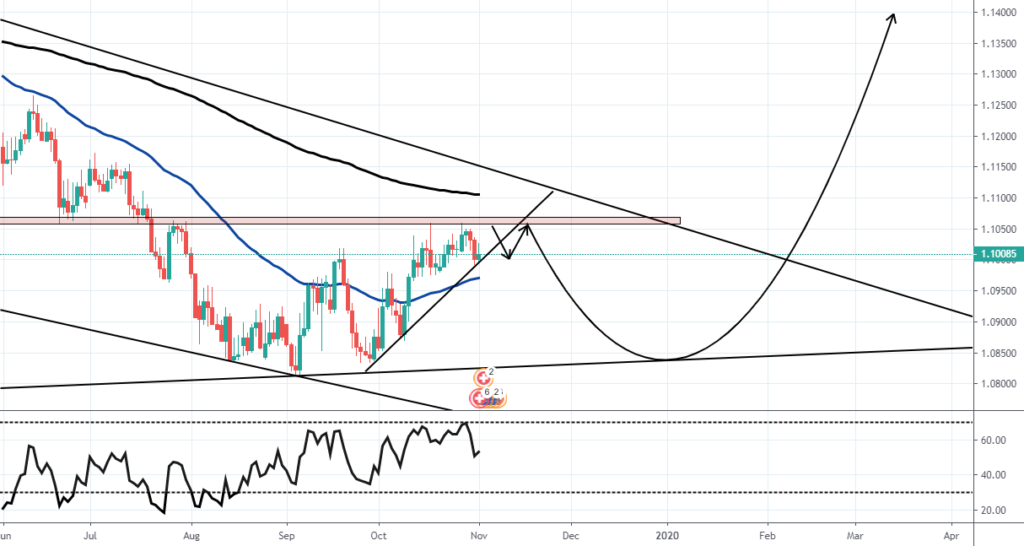
A clear Trading Plan is essential for passing any Prop Firm Challenge. It keeps traders focused and prevents emotional decision-making during live market conditions.
- Start each day by reviewing the economic calendar.
- Mark important support and resistance levels.
- Identify the higher timeframe trend.
- Highlight major Liquidity zones.
- Locate significant Order Blocks.
- Mark Fair Value Gaps (FVGs).
- Define your preferred trading session.
- Decide your maximum daily risk before trading.
- Set realistic profit expectations.
- Wait only for high-quality setups.
- Record every completed trade.
- Review mistakes after the trading session ends.
- Never revenge trade after a loss.
- Follow the same routine every trading day.
- A structured Trading Plan improves consistency and greatly increases the chances of passing a Prop Firm Challenge.
10.Common Mistakes That Cause Traders to Fail
Many traders understand basic trading concepts but still fail a Prop Firm Challenge because they repeatedly make avoidable mistakes. Recognizing these errors early can protect both your capital and your confidence.
- Trading without a clear strategy.
- Ignoring Risk Management rules.
- Risking too much on a single trade.
- Entering trades without confirmation.
- Chasing the market after large price moves.
- Overtrading during low-quality market conditions.
- Letting emotions control trading decisions.
- Removing or widening the Stop Loss.
- Ignoring Market Structure.
- Trading against the higher timeframe trend.
- Entering before a Liquidity Sweep is complete.
- Skipping proper trade journaling.
- Focusing on quick profits instead of consistency.
- Breaking the rules of the funded account evaluation.
- Avoiding these common mistakes helps traders remain disciplined, protect their accounts, and successfully complete a Prop Firm Challenge.
11.Creating a Trading Journal for Continuous Improvement
A Trading Journal is one of the most valuable tools for becoming a consistently profitable trader. It helps you identify strengths, correct weaknesses, and improve your decision-making over time.
- Record every trade immediately after closing it.
- Write the reason for entering each position.
- Note the Market Structure before the trade.
- Record whether a Liquidity Sweep occurred.
- Mention if an Order Block supported the entry.
- Include any Fair Value Gap (FVG) confirmation.
- Save screenshots of every trade setup.
- Record your entry, stop loss, and take profit.
- Write your emotional state before and after trading.
- Review winning and losing trades weekly.
- Look for repeated mistakes.
- Focus on improving execution rather than chasing profits.
- Follow the same review process consistently.
- Update your trading plan when necessary.
- A detailed Trading Journal helps traders build discipline and steadily improve their performance in every Prop Firm Challenge.
12.Controlling Trading Psychology During a Prop Firm Challenge
A strong Trading Psychology is just as important as having a profitable strategy. Emotional control allows traders to follow their plans even during winning and losing streaks.
- Stay patient while waiting for quality setups.
- Accept that losses are part of trading.
- Never revenge trade after a losing position.
- Avoid fear of missing out (FOMO).
- Follow your trading rules every day.
- Keep realistic profit expectations.
- Focus on long-term consistency.
- Take breaks after stressful trading sessions.
- Never increase risk because of emotions.
- Avoid comparing your results with other traders.
- Build confidence through practice.
- Trust your tested trading strategy.
- Stay calm during market volatility.
- Protect your capital before chasing profits.
- Strong Trading Psychology helps traders remain disciplined and greatly improves their chances of passing a Prop Firm Challenge.
13.Managing News Events with ICT Concepts
Major economic news can create large market movements. Understanding how to combine ICT Concepts with news events helps traders avoid unnecessary risks.
- Check the economic calendar before trading.
- Be aware of high-impact news releases.
- Avoid entering trades just before major announcements.
- Expect increased volatility during news events.
- Watch for Liquidity Sweeps around important releases.
- Wait for the market to settle before entering.
- Confirm Market Structure after the news.
- Look for valid Order Blocks.
- Use Fair Value Gaps for confirmation.
- Never gamble during uncertain conditions.
- Reduce position size if volatility is unusually high.
- Follow your risk management plan.
- Avoid emotional decisions during fast-moving markets.
- Practice analyzing previous news reactions.
- Combining ICT Concepts with proper news awareness helps traders protect capital while maintaining consistent performance.
14.Building Consistency for Long-Term Success

Consistency is one of the main requirements of every Prop Firm Challenge. A few large winning trades cannot replace disciplined execution over time.
- Follow the same trading routine every day.
- Risk the same percentage on every trade.
- Wait only for high-probability setups.
- Avoid changing strategies frequently.
- Focus on quality instead of quantity.
- Learn from every trading mistake.
- Keep improving your market analysis.
- Review your trading journal regularly.
- Stay patient during slow market conditions.
- Continue learning advanced ICT Concepts.
- Protect your account from unnecessary drawdowns.
- Build confidence through experience.
- Follow your trading plan without exceptions.
- Measure progress over months instead of days.
- Consistency is the foundation of becoming a successful funded trader.
15.Final Tips to Pass a Prop Firm Challenge Using ICT Concepts
Passing a Prop Firm Challenge requires more than technical knowledge. It demands discipline, patience, and professional execution every trading day.
- Master Market Structure before trading live.
- Learn how Liquidity influences price movement.
- Use Order Blocks for high-probability entries.
- Confirm trades with Fair Value Gaps (FVGs).
- Trade during active ICT Kill Zones.
- Apply Optimal Trade Entry (OTE) techniques.
- Follow strict Risk Management rules.
- Never overtrade or revenge trade.
- Respect all prop firm evaluation rules.
- Maintain a detailed trading journal.
- Keep your emotions under control.
- Practice on a demo account before attempting a challenge.
- Stay committed to continuous learning.
- Focus on long-term consistency instead of fast profits.
- Combining all ICT Concepts into one disciplined trading plan gives traders the best opportunity to pass a Prop Firm Challenge successfully.
Conclusion
Passing a Prop Firm Challenge is not about luck or taking large risks. It is about building a repeatable trading process based on discipline, risk management, and a deep understanding of ICT Concepts. Traders who learn Market Structure, Liquidity, Order Blocks, Fair Value Gaps (FVGs), Optimal Trade Entry (OTE), and ICT Kill Zones are better prepared to identify high-quality opportunities while avoiding unnecessary losses.
The most successful funded traders focus on consistency rather than chasing quick profits. They respect every trading rule, protect their capital, and wait patiently for confirmed setups. By combining technical analysis with emotional control and proper money management, you can significantly improve your chances of passing a Prop Firm Challenge and maintaining a funded account over the long term.
FAQs
1. What is a Prop Firm Challenge?
A Prop Firm Challenge is an evaluation process where traders must meet specific profit targets while following strict risk management and drawdown rules to qualify for a funded trading account.
2. Are ICT Concepts suitable for beginners?
Yes. Beginners can learn ICT Concepts step by step. Starting with Market Structure, Liquidity, and Risk Management provides a solid foundation before studying advanced concepts like Order Blocks and Fair Value Gaps.
3. Which ICT concept is most important for passing a funded challenge?
There is no single most important concept. Success comes from combining Market Structure, Liquidity, Order Blocks, Fair Value Gaps, ICT Kill Zones, and proper Risk Management into one complete trading plan.
4. How much should I risk per trade during a prop firm evaluation?
Most experienced traders recommend risking 0.5% to 1% of your account balance per trade. This helps protect your capital and reduces the chance of violating drawdown limits.
5. Can I pass a Prop Firm Challenge without using indicators?
Yes. Many traders successfully pass funded evaluations by relying on ICT Concepts, price action, Market Structure, and disciplined Risk Management instead of using multiple technical indicators.