“Smart trading begins with simple techniques and disciplined learning.”
Forex trading is one of the most popular ways to earn money online today. It involves buying and selling currencies in the global market. Many beginners feel confused at the start because the market moves fast and there is a lot of information available. That’s why learning the right forex trading techniques is very important. A well-structured PDF guide can help you understand everything step by step in a simple way.
If you are serious about becoming a successful trader, now is the time to take action. Instead of guessing or relying on luck, you should focus on learning proven strategies. Downloading and studying forex trading techniques PDF can save you time and help you avoid common mistakes. Start building your knowledge today and take control of your financial future.
This blog will give you complete information about forex trading techniques in an easy English style. You will learn different strategies, tips, and methods that traders use daily. Each section is designed to help beginners as well as intermediate traders improve their skills and confidence in the market.
1. What is Forex Trading and How It Works
- Forex trading means exchanging one currency for another.
- The goal is to make profit from price changes.
- It is the largest financial market in the world.
- The market works 24 hours a day.
- Traders use online platforms to trade.
- Currency pairs like EUR/USD are popular.
- Each trade includes a base and quote currency.
- Prices move based on supply and demand.
- Traders can buy or sell currencies.
- Leverage helps trade with small capital.
- High leverage also increases risk.
- Beginners should start with demo accounts.
- Learning the basics is very important.
- Practice improves trading skills.
- A PDF guide makes learning easier.
2. Importance of Forex Trading Techniques PDF
- A PDF guide provides structured learning.
- It is easy to download and access anytime.
- Beginners can follow step-by-step learning.
- It includes charts and real examples.
- Complex topics become easy to understand.
- You can study offline anytime.
- It saves time compared to random searches.
- PDFs are organized and focused.
- Many experts share their strategies in PDFs.
- It helps in better revision.
- Builds strong trading knowledge.
- Reduces confusion for beginners.
- Improves decision-making skills.
- Helps avoid common mistakes.
- Boosts confidence in trading.
3. Technical Analysis Basics
- Technical analysis studies price charts.
- It helps predict future price movements.
- Traders use indicators like Moving Average.
- Charts show market trends clearly.
- Support levels act as price floors.
- Resistance levels act as price ceilings.
- Trend lines help identify direction.
- Candlestick patterns give signals.
- Indicators like RSI show overbought levels.
- MACD helps identify trend changes.
- Volume shows market strength.
- Patterns repeat over time.
- Helps in entry and exit decisions.
- Works best with practice.
- A PDF guide explains it step by step.
4. Fundamental Analysis in Forex

- Fundamental analysis studies economic news.
- It focuses on country economies.
- Interest rates affect currency value.
- Inflation impacts buying power.
- GDP shows economic growth.
- News events move the market fast.
- Traders follow economic calendars.
- Political stability affects currency strength.
- Central banks control monetary policy.
- Employment data impacts market trends.
- Strong economy = strong currency.
- Weak economy = weak currency.
- Long-term traders prefer this method.
- It complements technical analysis.
- PDFs explain news impact clearly.
5. Trend Following Strategy
- Trend following is a popular strategy.
- Traders follow the market direction.
- “Trend is your friend” is a common rule.
- Uptrend means higher highs.
- Downtrend means lower lows.
- Moving averages help identify trends.
- Avoid trading against the trend.
- Enter trades in trend direction.
- Use stop loss for safety.
- Trends can last for long periods.
- Helps beginners trade safely.
- Reduces emotional decisions.
- Works well in strong markets.
- I need patience and discipline.
- PDFs provide examples for practice.
6. Scalping Trading Technique
- Scalping is short-term trading.
- Trades last for seconds or minutes.
- Small profits are taken quickly.
- Requires fast decision-making.
- High concentration is needed.
- Low spreads are important.
- Best for active traders.
- Uses lower timeframes like 1-minute charts.
- Many trades are placed daily.
- Risk management is very important.
- Requires strong discipline.
- Not ideal for beginners.
- I need a fast internet connection.
- Can be stressful for some traders.
- PDFs explain scalping setups clearly.
7. Swing Trading Strategy
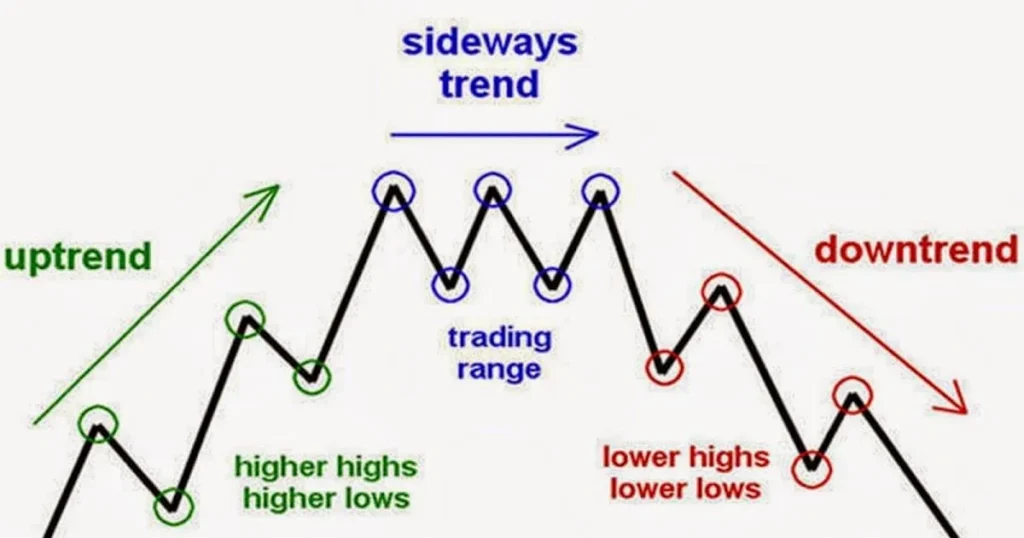
- Swing trading focuses on medium-term moves.
- Trades last for days or weeks.
- Traders capture price swings.
- Uses both technical and fundamental analysis.
- Less stressful than scalping.
- Suitable for beginners.
- Requires patience.
- Fewer trades compared to scalping.
- Good risk-reward ratio.
- Uses daily and 4-hour charts.
- Identifies support and resistance.
- Helps balance time and trading.
- Ideal for part-time traders.
- Requires planning before trades.
- PDFs explain swing setups easily.
8. Risk Management Techniques
- Risk management protects your capital.
- Never risk more than 1-2% per trade.
- Always use a stop loss.
- Avoid overtrading.
- Control emotions while trading.
- Use proper position sizing.
- Protect profits with trailing stops.
- Avoid revenge trading.
- Maintain a trading journal.
- Plan trades before execution.
- Stay disciplined.
- Losses are part of trading.
- Focus on long-term success.
- Learn from mistakes.
- PDFs explain risk rules clearly.
9. Support and Resistance Strategy
- Support is a price floor.
- Resistance is a price ceiling.
- Price reacts at these levels.
- Traders buy near support.
- Traders sell near resistance.
- Breakouts create new trends.
- False breakouts can happen.
- Use confirmation signals.
- Works in all markets.
- Helps identify entry points.
- Improves accuracy.
- Combine with indicators.
- Easy for beginners.
- Practice is important.
- PDFs include chart examples.
10. Breakout Trading Technique
- Breakout trading captures strong moves.
- Happens when price breaks levels.
- High volatility follows breakouts.
- Volume confirms breakouts.
- Enter after confirmation.
- Avoid false signals.
- Use stop loss.
- Works in trending markets.
- Can give high profits.
- Requires patience.
- Identify key levels first.
- Risk management is essential.
- Works with news events.
- Combine with indicators.
- PDFs explain breakout strategies.
11. Forex Indicators Strategy
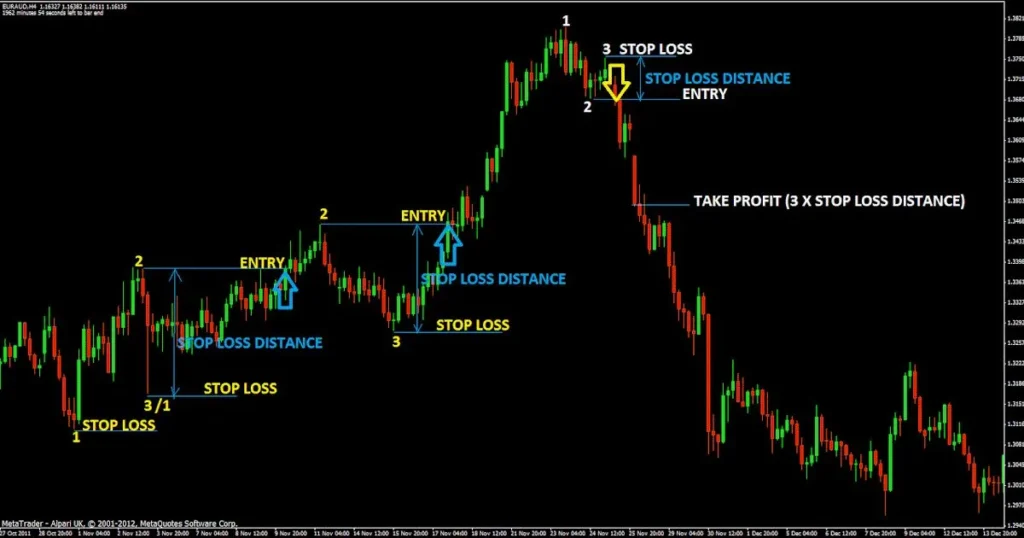
- Indicators help analyze the market.
- Moving Average shows trend direction.
- RSI shows overbought/oversold levels.
- MACD shows momentum.
- Indicators improve decision-making.
- Avoid using too many indicators.
- Keep strategy simple.
- Combine indicators wisely.
- Indicators lag sometimes.
- Use with price action.
- Helps confirm signals.
- Good for beginners.
- Practice improves results.
- Learn indicator settings.
- PDFs explain each indicator clearly.
12. Price Action Trading
- Price action focuses on raw price.
- No indicators are required.
- Uses candlestick patterns.
- Patterns repeat over time.
- Shows market psychology.
- Easy to learn basics.
- Works on all timeframes.
- Improves chart reading skills.
- Combine with support levels.
- Helps identify trends.
- Used by professional traders.
- Requires practice.
- Simple but powerful.
- Builds confidence.
- PDFs explain patterns clearly.
13. Trading Psychology
- Psychology is key in trading.
- Emotions affect decisions.
- Fear leads to early exits.
- Greed causes overtrading.
- Discipline is very important.
- Stick to your strategy.
- Avoid emotional trading.
- Stay calm during losses.
- Confidence grows with experience.
- Keep realistic expectations.
- Focus on long-term goals.
- Learn from mistakes.
- Maintain a positive mindset.
- Control stress levels.
- PDFs guide mental discipline.
14. Choosing the Right Forex PDF Guide
- Choose trusted sources only.
- Avoid outdated content.
- Look for beginner-friendly guides.
- Check for real examples.
- Ensure clear explanations.
- Look for updated strategies.
- Avoid overly complex PDFs.
- Check reviews if available.
- Focus on practical learning.
- Ensure step-by-step format.
- Choose free or paid wisely.
- Verify author credibility.
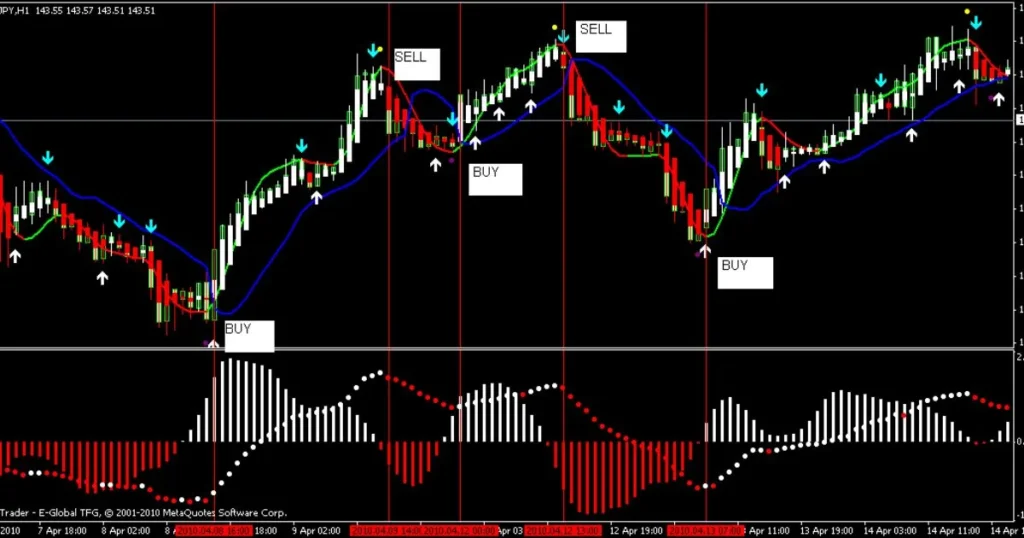
- Look for visual charts.
- Avoid misleading promises.
- Select quality over quantity.
15. Final Tips for Forex Trading Success
- Start with small capital.
- Learn before earning.
- Practice on demo accounts.
- Follow a trading plan.
- Stay disciplined.
- Manage risk properly.
- Keep learning daily.
- Avoid shortcuts.
- Stay updated with news.
- Use simple strategies.
- Track your performance.
- Improve step by step.
- Stay patient.
- Focus on consistency.
- Use a PDF guide for growth.
FAQs (Frequently Asked Questions)
1. What is a forex trading techniques PDF?
A forex trading techniques PDF is a downloadable file that explains trading strategies, tips, and methods in a simple and structured way for traders.
2. Is forex trading good for beginners?
Yes, forex trading is good for beginners if they start with proper learning, practice on demo accounts, and use risk management techniques.
3. Can I learn forex trading from a PDF?
Yes, a well-written PDF guide can help you understand basic and advanced trading concepts step by step in an easy way.
4. What is the best forex trading strategy?
There is no single best strategy. Popular ones include trend following, price action, and support & resistance strategies.
5. How much money do I need to start forex trading?
You can start with a small amount, but it is better to begin with demo trading and then invest only what you can afford to lose.
Conclusion
Forex trading can be a great way to build income, but it requires proper knowledge and discipline. Using a forex trading techniques PDF helps you learn in a structured and simple way. It allows you to understand strategies, manage risks, and improve your trading skills step by step.
To succeed in forex trading, focus on learning, practice, and consistency. Avoid shortcuts and stay patient in your journey. With the right mindset and the right resources, you can grow steadily and become a confident trader over time.