“”Clear understanding of forex terms turns confusion into confident trading decisions.””
Forex trading is one of the most popular ways to participate in the global financial market. Every day, trillions of dollars are traded in currencies, making it the largest financial market in the world. However, beginners often feel lost because of the many technical words and phrases used in forex trading. Learning forex trading terminology is the first and most important step toward becoming a successful trader.
If you want to start trading or improve your skills, now is the right time to build a strong foundation. By understanding key terms, you can avoid costly mistakes and make better decisions. Take action today by learning the language of forex trading step by step and applying it in real trading situations.
This guide provides clear and simple explanations of the most important forex terms. It is designed especially for beginners who want easy English and practical knowledge. By the end of this article, you will feel more confident and ready to understand charts, strategies, and trading platforms.
1. What is Forex (Foreign Exchange)?
- Forex means foreign exchange, where currencies are traded.
- It involves buying one currency and selling another at the same time.
- The forex market is the largest financial market in the world.
- It operates 24 hours a day, five days a week.
- There is no central exchange like the stock market.
- Trading happens through banks, brokers, and institutions.
- The market is divided into Asian, European, and US sessions.
- Prices change based on supply and demand.
- Economic factors like inflation and interest rates affect forex.
- Both beginners and professionals can trade forex.
- It offers high liquidity, meaning trades happen quickly.
- Traders can use demo accounts for practice.
- Forex trading has high risk and high reward.
- Learning terminology is the first step to success.
- Consistent learning helps traders improve over time.
2. Currency Pairs
- A currency pair shows two currencies traded together.
- Example: EUR/USD is a popular pair.
- The first currency is called the base currency.
- The second currency is called the quote currency.
- Buying means buying the base and selling the quote.
- Selling means selling the base and buying the quote.
- Pairs are divided into major, minor, and exotic pairs.
- Major pairs include USD and have high liquidity.
- Minor pairs do not include USD but are stable.
- Exotic pairs include one major and one developing currency.
- Major pairs have lower spreads.
- Exotic pairs have higher risk and volatility.
- Traders choose pairs based on strategy and knowledge.
- Understanding pairs helps in reading the market.
- Beginners should start with major currency pairs.
3. Pip (Percentage in Point)
- A pip is the smallest price movement in forex.
- It usually represents the fourth decimal place.
- Example: 1.1050 to 1.1051 = 1 pip.
- For JPY pairs, it is the second decimal place.
- Pips measure profit and loss.
- Traders use pips to track price changes.
- A higher pip movement means more profit or loss.
- Brokers display pips in trading platforms.
- Understanding pips is essential for beginners.
- Pip value depends on lot size.
- Small movements can still generate profit.
- Pip calculation is important for risk management.
- Traders aim for consistent pip gains.
- It helps compare different trades.
- Pip knowledge improves decision-making.
4. Lot Size
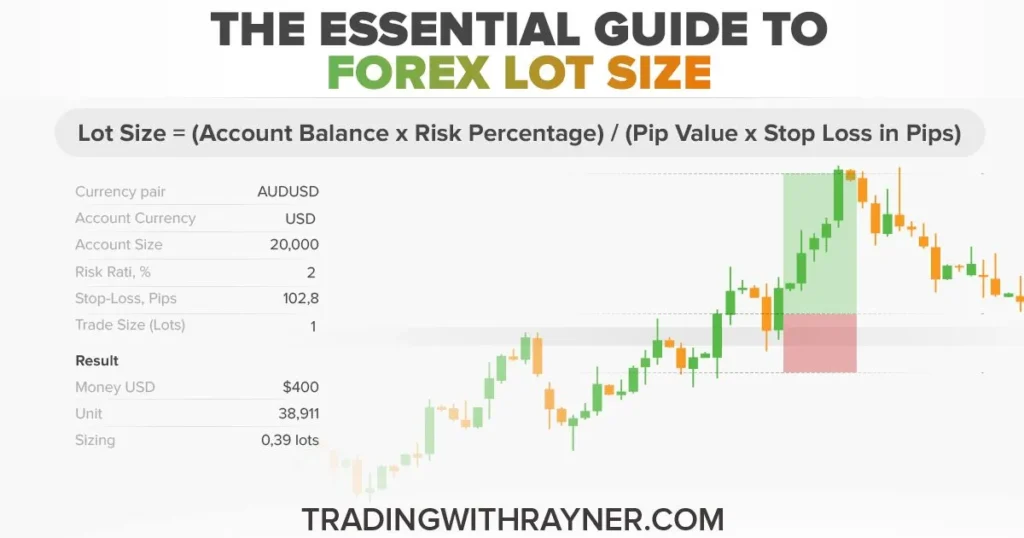
- A lot is the size of a trade in forex.
- A standard lot equals 100,000 units.
- A mini lot equals 10,000 units.
- A micro lot equals 1,000 units.
- Lot size affects profit and loss.
- Larger lots mean higher risk and reward.
- Beginners should use small lot sizes.
- Lot size is connected to account balance.
- It helps manage trading risk.
- Brokers allow flexible lot sizes.
- Proper lot size prevents big losses.
- It is part of a risk management strategy.
- Traders adjust lot size based on confidence.
- Small lots are safer for learning.
- Understanding lot size is very important.
5. Leverage
- Leverage allows traders to control large trades with small money.
- Example: 1:100 leverage means controlling $100 with $1.
- It increases buying power.
- Leverage can increase profits.
- It also increases risk of losses.
- High leverage is risky for beginners.
- Brokers offer different leverage levels.
- Traders should use leverage carefully.
- It is useful for small accounts.
- Misuse of leverage can wipe out accounts.
- Always combine leverage with risk management.
- Lower leverage is safer.
- Professionals use controlled leverage.
- It helps maximize opportunities.
- Understanding leverage is key to survival.
6. Spread
- The spread is the difference between buy and sell price.
- It is the cost of trading.
- Lower spreads mean lower trading cost.
- Major pairs usually have low spreads.
- Exotic pairs have high spreads.
- Brokers earn through spreads.
- Spread can be fixed or variable.
- Market volatility affects spreads.
- Tight spreads are better for traders.
- Spread affects profit calculation.
- Scalpers prefer low spreads.
- High spreads reduce profits.
- Always check spreads before trading.
- It varies during news events.
- Spread is an important trading factor.
7. Margin
- Margin is the money required to open a trade.
- It acts as a security deposit.
- Margin is linked with leverage.
- Higher leverage requires lower margin.
- Margin helps control large trades.
- If margin falls, trades can close automatically.
- This is called a margin call.
- Proper margin management is important.
- Beginners should monitor margin levels.
- Low margin increases risk.
- Margin is shown in trading platforms.
- It protects brokers from losses.
- Traders must avoid overtrading.
- Margin misuse leads to account loss.
- Always maintain safe margin levels.
8. Bid and Ask Price
- Bid price is the price to sell a currency.
- Ask price is the price to buy a currency.
- The difference is called the spread.
- Bid is always lower than ask.
- Traders buy at ask and sell at bid.
- Prices change constantly.
- It reflects market demand and supply.
- Platforms show both prices clearly.
- Understanding this avoids confusion.
- It affects trade entry and exit.
- Fast changes occur in volatile markets.
- Important for short-term trading.
- Helps calculate profit accurately.
- Essential for every trade.
- Must be clearly understood by beginners.
9. Bullish and Bearish Market
- A bullish market means prices are rising.
- A bearish market means prices are falling.
- Bullish traders are called buyers.
- Bearish traders are called sellers.
- Trends help identify market direction.
- Traders follow trends for profit.
- News events influence trends.
- Strong trends create opportunities.
- The sideways market shows no clear trend.
- Technical analysis helps identify trends.
- Beginners should follow simple trends.
- Trend trading is popular.
- Understanding trends improves success.
- Avoid trading against strong trends.
- Trend is your best friend in trading.
10. Stop Loss and Take Profit
- Stop loss limits losses in a trade.
- Take profit locks profit automatically.
- These are risk management tools.
- They protect trading capital.
- Stop loss prevents big losses.
- Taking profit ensures discipline.
- Both are set before entering trade.
- Emotional trading is reduced.
- Helps maintain consistency.
- Every trade should have stop loss.
- Risk-reward ratio is important.
- Professional traders always use them.
- It improves trading control.
- Avoid trading without them.
- They are essential for success.
11. Liquidity
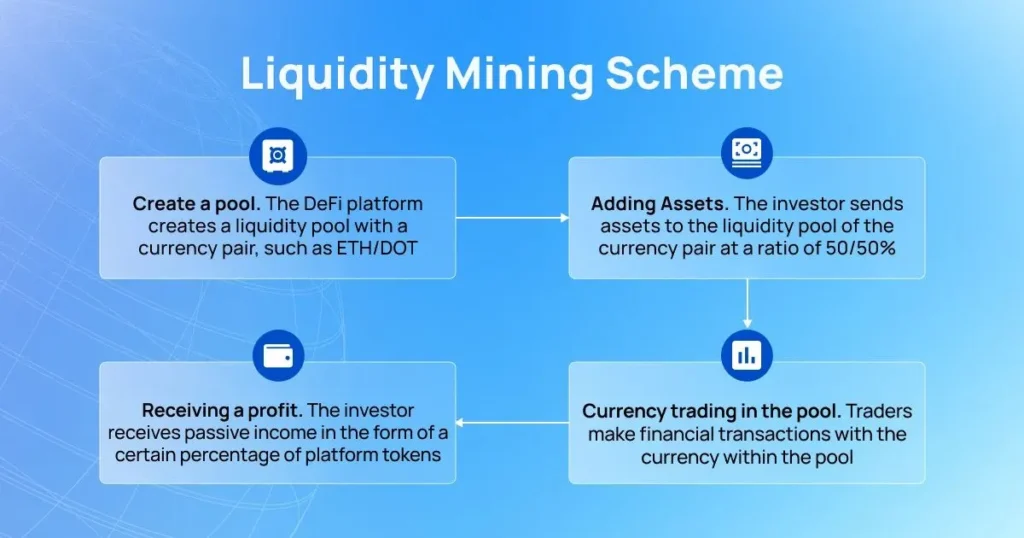
- Liquidity means how easily assets are traded.
- The forex market has high liquidity.
- High liquidity means fast execution.
- Major pairs are highly liquid.
- Low liquidity causes price gaps.
- Liquidity reduces trading cost.
- It ensures stable price movement.
- Important for large trades.
- Affects spreads and volatility.
- High liquidity markets are safer.
- Institutions increase liquidity.
- News affects liquidity levels.
- Helps avoid slippage.
- Essential for smooth trading.
- Beginners should trade liquid pairs.
12. Volatility
- Volatility shows price movement speed.
- High volatility means big price changes.
- Low volatility means slow movement.
- Traders use volatility for profit.
- News events increase volatility.
- Volatile markets are risky.
- It creates trading opportunities.
- Indicators measure volatility.
- Helps choose trading strategy.
- Beginners should avoid high volatility.
- It affects stop loss placement.
- Important for short-term traders.
- High volatility can cause losses.
- Manage risk carefully.
- Understand before trading.
13. Broker
- A broker is a company that provides trading access.
- Traders open accounts with brokers.
- Brokers connect traders to the market.
- They offer trading platforms.
- Brokers earn through spreads and fees.
- Choose a regulated broker.
- Check broker reputation.
- Good brokers offer low spreads.
- They provide customer support.
- Demo accounts are available.
- Brokers offer leverage.
- Security is very important.
- Avoid untrusted brokers.
- Research before selecting.
- Broker choice affects trading success.
14. Trading Platform
- A trading platform is software for trading.
- Example: MetaTrader 4 (MT4).
- It shows charts and prices.
- Allows placing trades easily.
- Provides technical indicators.
- Helps analyze market trends.
- User-friendly platforms are better.
- Mobile and desktop versions available.
- Fast execution is important.
- Platforms offer tools for beginners.
- Practice using a demo account.
- Learn all features properly.
- It improves trading performance.
- Choose a reliable platform.
- Platform knowledge is essential.
15. Risk Management

- Risk management protects trading capital.
- Never risk more than 1-2% per trade.
- Use stop loss always.
- Avoid overtrading.
- Control emotions while trading.
- Keep a trading plan.
- Maintain proper lot size.
- Diversify trades carefully.
- Learn from mistakes.
- Discipline is key.
- Avoid revenge trading.
- Focus on long-term growth.
- Protect your account first.
- Profit comes with patience.
- Risk management ensures survival.
FAQs About Forex Trading Terminology
- What is the most important forex term for beginners?
The most important term for beginners is pip, because it helps measure profit and loss in every trade. Understanding pips makes it easier to track performance and manage risk properly. - Why is learning forex terminology important?
Learning forex trading terminology helps traders understand how the market works. It improves decision-making, reduces confusion, and helps avoid common mistakes made by beginners. - What is the difference between leverage and margin?
Leverage allows you to control a large trade with small money, while margin is the amount of money required to open that trade. Both are connected and must be used carefully. - Can I trade forex without knowing all the terms?
You can start trading, but without understanding key terms, you may face losses. It is always better to learn basic terminology before investing real money. - How long does it take to learn forex terminology?
It depends on your learning speed, but most beginners can understand basic terms within a few days or weeks with regular practice and study.
Conclusion
Forex trading may look complex at first, but once you understand the basic terminology, everything becomes much clearer. Terms like pip, leverage, spread, margin, and currency pairs are the building blocks of trading. Without knowing these, it is difficult to make smart decisions or understand how the market moves. Learning these terms step by step gives you confidence and helps you avoid common beginner mistakes.
In the end, success in forex trading is not just about making profits—it is about knowledge, discipline, and risk management. Take your time to practice, use a demo account, and keep improving your understanding of the market. The more familiar you become with forex terminology, the stronger your trading foundation will be, leading you toward smarter and more confident trading decisions.