“Advanced forex strategies turn market knowledge into consistent trading decisions.”
The forex market is one of the largest financial markets in the world. Millions of traders buy and sell currencies every day to earn profits from price movements. Professional traders use advanced methods, technical tools, and strong risk management systems to improve their trading performance. A successful forex trader does not depend on luck. Instead, they use planning, discipline, and market analysis to make smart decisions in changing market conditions.
If you want to improve your trading skills and become more confident in the forex market, learning advanced trading strategies can help you achieve better results. Professional traders focus on market structure, price action, trend direction, and emotional control. These strategies are designed to reduce mistakes and increase the chances of profitable trades over time. Whether you trade full-time or part-time, advanced techniques can help you build a more professional trading approach.
This article explains important forex trading strategies used by experienced traders. You will learn about trend trading, breakout methods, risk management, technical indicators, market psychology, and more. Each section provides easy explanations and useful information that can help traders understand how professional forex trading works in real market situations.
1. Understanding the Forex Market Structure
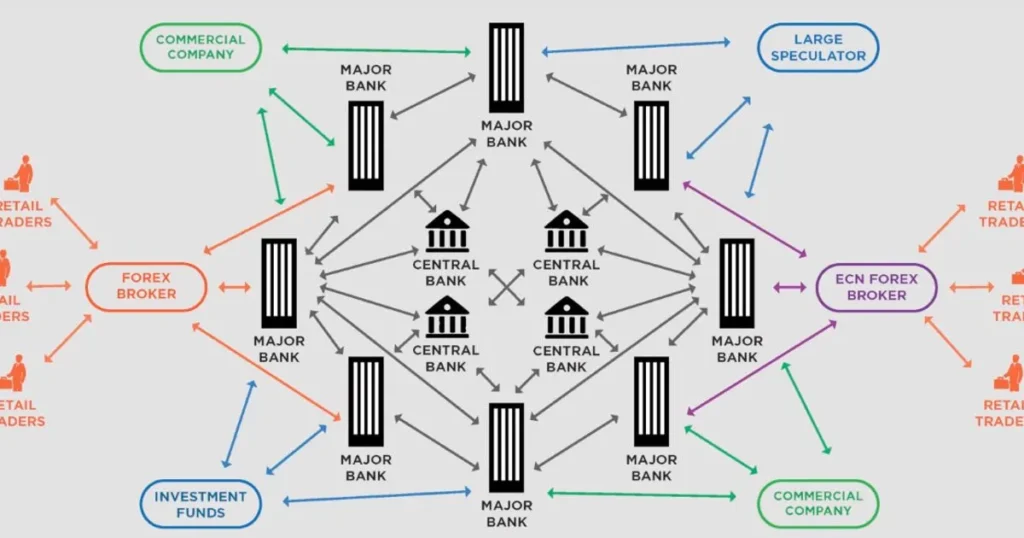
- The forex market structure helps traders understand price movement.
- Professional traders study market direction before trading.
- Markets move in uptrends, downtrends, or sideways ranges.
- Higher highs and higher lows show an uptrend.
- Lower highs and lower lows show a downtrend.
- Market structure helps identify trading opportunities clearly.
- Professional traders avoid random trading decisions.
- Support and resistance levels are very important.
- Support levels may stop falling prices temporarily.
- Resistance levels may stop rising prices temporarily.
- Chart analysis improves trading accuracy.
- Market structure supports better risk management.
- Professional traders combine structure with indicators.
- Understanding price behavior improves confidence.
- Strong market analysis builds long-term trading success.
2. Importance of Risk Management in Forex Trading
- Risk management protects traders from large losses.
- Professional traders risk small amounts per trade.
- Most experts risk only 1% or 2% of capital.
- Stop-loss orders help limit trading losses.
- Risk control supports long-term trading survival.
- Emotional trading decreases with proper management.
- Traders avoid overtrading through discipline.
- Position sizing is important for account stability.
- Risk-to-reward ratios improve profit potential.
- Professionals never trade without protection plans.
- Smart money management improves confidence.
- Controlled risks reduce emotional pressure.
- Traders focus on consistency instead of gambling.
- Protecting capital is the first priority.
- Risk management is essential for professional traders.
3. Trend Following Strategy for Professional Traders
- The trend following strategy is widely used by professionals.
- Traders follow the market direction carefully.
- Trading with the trend reduces unnecessary risk.
- Moving averages help identify trends clearly.
- The 50-day moving average is commonly used.
- The 200-day moving average shows long-term direction.
- Crossovers may provide buy or sell signals.
- Trend traders avoid trading against momentum.
- Pullbacks provide better market entry opportunities.
- Patience is important in trend trading.
- Strong trends often create profitable opportunities.
- Technical indicators improve trend confirmation.
- Professionals wait for confirmation before entering trades.
- Trend analysis improves trading accuracy.
- Trend following remains a reliable forex strategy.
4. Breakout Trading Strategy in Forex
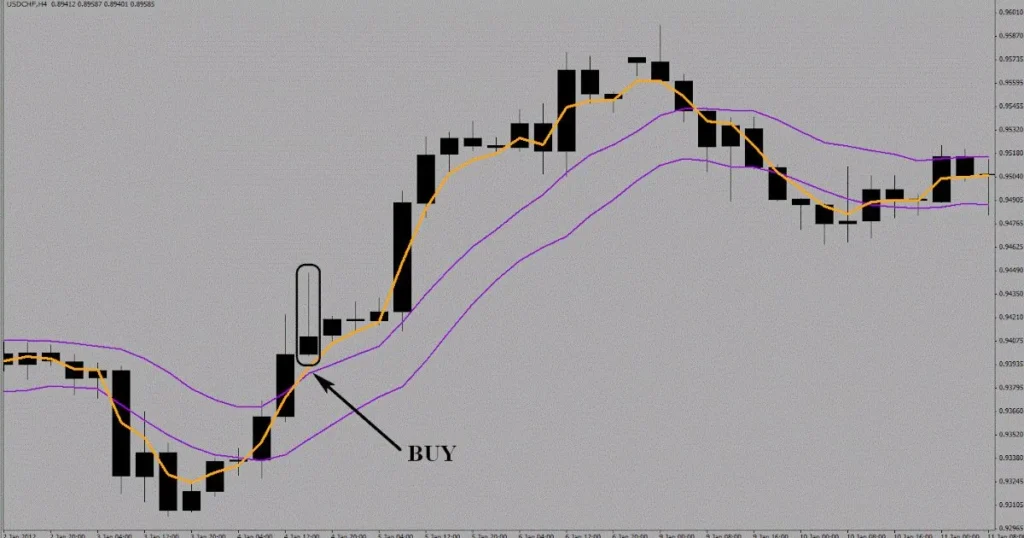
- Breakout trading focuses on price movements beyond key levels.
- Traders monitor support and resistance carefully.
- Strong breakouts often create high volatility.
- News events may trigger breakout opportunities.
- Professional traders wait for candle confirmation.
- False breakouts can create unnecessary losses.
- Volume analysis improves breakout accuracy.
- Breakouts below support may create selling pressure.
- Stop-loss placement is important during breakouts.
- Risk management protects traders from reversals.
- Breakout trading works in active market sessions.
- Professionals combine breakout and trend analysis.
- This strategy supports short-term trading opportunities.
- Breakout trading can produce strong profits.
5. Price Action Trading Techniques
- Price action trading studies raw market movement.
- Traders use candlestick patterns for decisions.
- This strategy uses fewer technical indicators.
- Pin bars are popular price action signals.
- Engulfing candles show possible market reversals.
- Support and resistance remain importan
- Traders study candle behavior carefully.
- Price action works on all timeframes.
- Clean charts improve market focus.
- Professional traders trust chart behavior analysis.
- Timing improves through price action understanding.
- Price action supports disciplined trading methods.
- Observation skills improve trading performance.
- Patience helps identify strong setups.
- Price action trading is popular among professionals.
6. Scalping Strategy for Fast Trading Opportunities
- Scalping is a fast forex trading strategy.
- Scalpers target small price movements.
- Traders open multiple trades daily.
- Fast decision-making is necessary for scalping.
- Low spreads improve profitability.
- One-minute charts are commonly used.
- Five-minute charts also support scalping analysis.
- Technical indicators help identify entries quickly.
- High liquidity sessions are preferred.
- London and New York sessions are popular.
- Strong internet speed supports scalping performance.
- Emotional control is important for fast trading.
- Scalping requires discipline and focus.
- Professional scalpers depend on timing accuracy.
- Scalping creates daily trading opportunities.
7. Swing Trading Strategy for Professional Traders
- Swing trading targets medium-term price movements.
- Trades may stay open for days or weeks.
- Technical and fundamental analysis are combined.
- Swing trading reduces trading stress.
- Daily charts help identify strong trends.
- Four-hour charts improve trade timing.
- Support and resistance levels guide entries.
- Risk-to-reward ratios remain important.
- Patience improves swing trading performance.
- Professionals avoid emotional trading during pullbacks.
- Swing trading works well in trending markets.
- Technical indicators support market analysis.
- Discipline improves consistency in trading.
- Swing trading suits part-time traders also.
- This strategy offers balanced profit potential.
10. Using Technical Indicators Effectively
- Technical indicators help analyze market conditions.
- RSI measures market strength and momentum.
- MACD helps identify trend direction changes.
- Bollinger Bands measure market volatility.
- Indicators support trading decisions professionally.
- Too many indicators can create confusion.
- Simple trading setups improve clarity.
- Indicators help confirm market entries.
- Technical tools improve trade timing.
- Indicators work best with price action.
- Professional traders test indicators carefully.
- Trend indicators support better analysis.
- Technical signals improve decision-making.
- Proper indicator use increases confidence.
- Technical analysis remains important in forex trading.
8. Importance of Fundamental Analysis
- Fundamental analysis studies economic market conditions.
- Interest rates strongly affect currency values.
- Inflation reports influence forex price movements.
- Central bank decisions impact the market heavily.
- Employment reports create market volatility.
- Economic calendars help traders prepare.
- Fundamentals support long-term trading direction.
- Professional traders combine fundamentals with technical analysis.
- Political events can weaken currencies.
- Strong economies usually strengthen currencies.
- News trading requires emotional discipline.
- Market reactions change after major announcements.
- Understanding economics improves trading knowledge.
- Professional traders monitor global events daily.
- Fundamental analysis supports informed trading decisions.
9. Trading Psychology and Emotional Control
- Trading psychology affects trading performance greatly.
- Fear and greed influence trader decisions.
- Emotional trading often creates losses.
- Discipline improves market consistency.
- Professional traders follow trading plans strictly.
- Patience helps avoid impulsive decisions.
- Confidence grows through experience and practice.
- Stress management supports professional trading.
- Revenge trading should always be avoided.
- Trading journals help improve discipline.
- Emotional balance improves decision-making quality.
- Losses are part of trading success.
- Positive habits improve long-term performance.
- Mental strength supports professional traders.
- Psychology is as important as strategy.
10. Importance of Trading Sessions in Forex
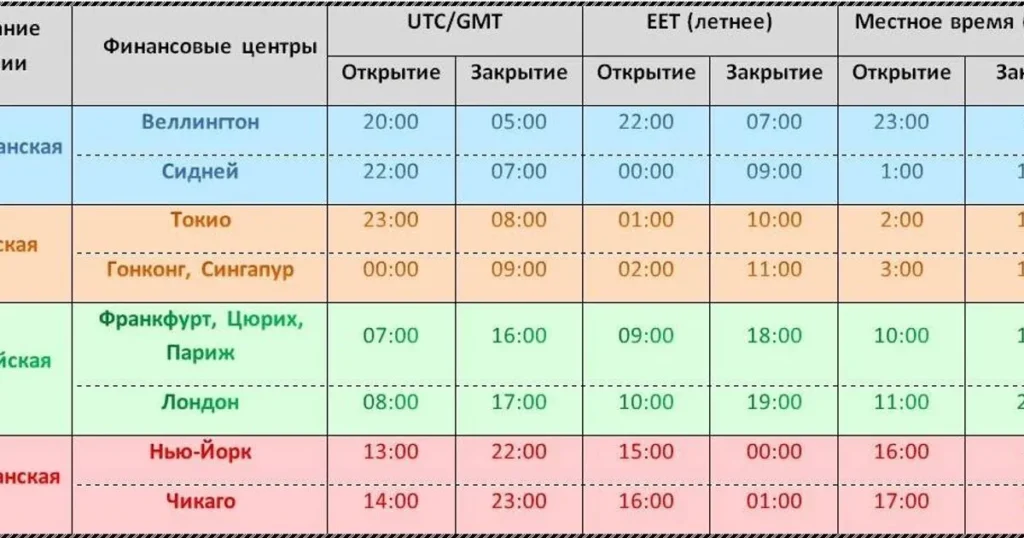
- The forex market operates 24 hours daily.
- Different sessions create different market conditions.
- The London session offers strong volatility.
- The New York session provides active trading opportunities.
- Session overlaps create high liquidity conditions.
- London and New York overlap is very active.
- Asian sessions often show lower volatility.
- Currency pairs behave differently in each session.
- Scalpers prefer active trading hours.
- Swing traders focus on longer movements.
- Market timing affects spread conditions.
- Liquidity improves during busy sessions.
- Professional traders plan trades carefully.
- Understanding sessions improves strategy performance.
- Trading sessions are important for forex success.
11. Advanced Use of Leverage in Forex Trading
- Leverage allows larger market positions.
- Professional traders use leverage carefully.
- High leverage increases both profit and risk.
- Beginners often misuse leverage.
- Lower leverage reduces trading pressure.
- Risk management supports safer leverage use.
- Margin calls can damage trading accounts.
- Professionals focus on capital protection first.
- Balanced leverage improves account stability.
- Emotional trading becomes dangerous with high leverage.
- Leverage should match trading experience.
- Smart leverage supports steady growth.
- Traders should understand leverage risks fully.
- Responsible leverage improves long-term performance.
- Safe leverage use supports professional trading success.
15. Creating a Professional Trading Plan
- A trading plan creates structure and discipline.
- Professional traders follow written trading rules.
- Entry conditions should be clearly defined.
- Exit strategies are equally important.
- Risk management rules should be included.
- Profit targets improve trading focus.
- Trading without a plan increases mistakes.
- Trading journals help track performance.
- Reviewing mistakes improves trading habits.
- Goals should be realistic and measurable.
- Preparation improves confidence during trading.
- Daily routines support disciplined performance.
- Planning reduces emotional market reactions.
- Professionals continuously improve their systems.
- Strong planning supports long-term trading growth.
12. Importance of Backtesting Forex Strategies
- Backtesting evaluates strategy performance using historical data.
- Professional traders test strategies before live trading.
- Backtesting identifies system strengths and weaknesses.
- Historical data improves market understanding.
- Tested strategies increase trading confidence.
- Professional traders avoid untested methods.
- Trading platforms provide backtesting tools.
- Risk settings can be adjusted during testing.
- Backtesting improves disciplined trading habits.
- Consistency is important in testing results.
- Different currency pairs should be tested.
- Traders improve systems through analysis.
- Backtesting reduces emotional uncertainty.
- Professional traders regularly update strategies.
- Backtesting supports long-term trading success.
13. Building Long-Term Success in Forex Trading

- Long-term success requires patience and discipline.
- Professional traders focus on consistency.
- Continuous learning improves trading knowledge.
- Market conditions change regularly.
- Traders must adapt their strategies carefully.
- Risk management remains essential at all times.
- Emotional control supports stable performance.
- Practice improves trading confidence.
- Professionals avoid unrealistic profit expectations.
- Experience improves market decision-making.
- Discipline creates long-term account growth.
- Successful traders analyze their mistakes.
- Strong habits improve trading results.
- Patience supports professional trading careers.
- Consistency is the key to forex trading success.
Conclusion
Advanced forex trading strategies help traders improve market performance and reduce risks. Professional traders use technical analysis, fundamental analysis, risk management, and emotional discipline to make better trading decisions. Understanding trends, market structure, trading psychology, and leverage management helps traders trade with more confidence and control.
Professional forex trading requires patience, practice, and strong discipline. Successful traders focus on long-term consistency instead of quick profits. By following smart trading methods and protecting capital carefully, traders can build a stable and professional forex trading career.
FAQs About Advanced Forex Trading Strategy for Professionals
1. What is an advanced forex trading strategy?
An advanced forex trading strategy is a professional trading method used to analyze the market and make better trading decisions. These strategies include trend analysis, price action, risk management, technical indicators, and market psychology. Professional traders use advanced strategies to improve consistency and reduce trading risks.
2. Which forex trading strategy is best for professionals?
Professional traders often prefer trend following, price action trading, and breakout trading strategies. The best strategy depends on trading style, market conditions, and risk tolerance. Many professionals combine technical and fundamental analysis for stronger trading decisions.
3. Why is risk management important in forex trading?
Risk management protects traders from large financial losses. Professional traders use stop-loss orders, proper position sizing, and controlled leverage to manage risks effectively. Good risk management helps traders survive during difficult market conditions and supports long-term success.
4. Can beginners use advanced forex trading strategies?
Yes, beginners can learn advanced forex strategies with proper education and practice. New traders should first understand basic forex concepts before using advanced techniques. Demo accounts and backtesting help beginners improve their trading skills safely.
5. How long does it take to become a successful forex trader?
Becoming a successful forex trader takes time, patience, and consistent learning. Some traders improve within months, while others may take years to become consistently profitable. Professional trading success depends on discipline, emotional control, market knowledge, and continuous practice.