“Daily forex trading signals help traders make informed decisions with greater confidence in changing market conditions.”
The forex market is one of the largest financial markets in the world, with trillions of dollars traded every day. Traders participate in currency exchanges to profit from price movements. Successful trading requires a strong understanding of daily forex analysis and signals, which help identify potential market opportunities.
If you want to improve your trading performance, following reliable daily forex trading analysis and signals can help you make better decisions. Consistent market analysis allows traders to understand trends, reduce emotional trading, and manage risks more effectively. Learning how to use signals correctly can contribute to a more disciplined trading approach.
This guide explains the most important aspects of daily forex trading analysis and signals, including market trends, technical indicators, signal interpretation, risk management, and trading strategies. Each section provides practical information that traders can apply to their daily trading routines.
1. Understanding Daily Forex Trading Analysis
- Daily forex analysis refers to studying market conditions before placing trades.
- It helps traders identify potential opportunities.
- Analysis includes reviewing charts and market news.
- Traders monitor currency pair movements.
- Market trends provide valuable direction clues.
- Economic events often influence prices.
- Analysis reduces guesswork in trading.
- Professional traders rely on daily market reviews.
- Understanding market behavior improves decision-making.
- Technical and fundamental analysis work together.
- Daily reviews create trading discipline.
- Analysis supports risk management.
- Market sentiment is also considered.
- Consistent analysis improves trading confidence.
- Strong analytical skills help traders achieve better long-term results.
2. What Are Forex Trading Signals?
- Forex signals are trade suggestions based on market analysis.
- Signals identify possible buy or sell opportunities.
- They include entry and exit levels.
- Stop-loss levels are often provided.
- Take-profit targets help manage trades.
- Signals save time for traders.
- Many beginners use signals for guidance.
- Signals can be manual or automated.
- Professional analysts often generate signals.
- Signals help traders follow market trends.
- They support faster decision-making.
- Good signals include risk parameters.
- Not every signal guarantees profit.
- Traders should verify signals independently.
- Understanding signal logic improves trading skills.
3. Importance of Technical Analysis
- Technical analysis studies price charts.
- It helps identify trends and patterns.
- Historical price data is analyzed.
- Support and resistance levels are important.
- Chart patterns indicate possible market direction.
- Traders use indicators for confirmation.
- Technical analysis improves timing.
- It provides objective trading information.
- Price action remains a key component.
- Technical analysis suits short-term trading.
- Many signals are based on technical data.
- Trend identification becomes easier.
- Risk can be managed more effectively.
- Traders gain confidence in decisions.
- Consistent chart study enhances performance.
4. Role of Fundamental Analysis
- Fundamental analysis focuses on economic events.
- Interest rates affect currency values.
- Inflation data influences markets.
- Employment reports create volatility.
- Central bank decisions impact trends.
- GDP figures reflect economic health.
- Traders monitor financial calendars.
- News events can move markets rapidly.
- Political developments affect currencies.
- Fundamental analysis provides market context.
- Long-term traders often rely on fundamentals.
- Economic strength supports currency appreciation.
- Weak data may weaken a currency.
- Combining fundamentals with technical analysis is beneficial.
- Understanding economic factors improves trading decisions.
5. Popular Forex Indicators
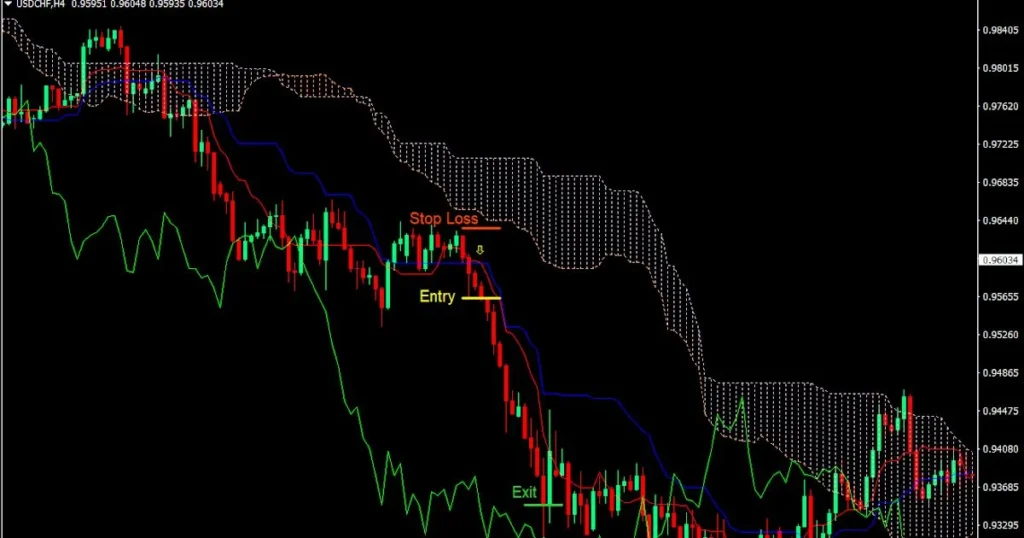
- Indicators help analyze market trends.
- Moving averages identify direction.
- RSI measures momentum.
- MACD indicates trend strength.
- Bollinger Bands show volatility.
- Stochastic Oscillator highlights overbought conditions.
- Indicators support trade confirmation.
- They help reduce emotional decisions.
- Multiple indicators can be combined.
- Indicators provide valuable market insights.
- Trend indicators suit trending markets.
- Oscillators work well in ranges.
- Proper settings improve accuracy.
- Indicators should not be used alone.
- Practice improves indicator effectiveness.
6. Reading Currency Pair Trends
- Trends show market direction.
- Uptrends consist of higher highs.
- Downtrends form lower lows.
- Sideways markets lack clear direction.
- Trendlines help visualize movement.
- Strong trends offer trading opportunities.
- Traders prefer trading with trends.
- Trend confirmation reduces risk.
- Multiple timeframes improve accuracy.
- Trend analysis supports signal validation.
- Reversals require caution.
- Momentum often strengthens trends.
- Market sentiment influences trends.
- Patience is important during trend formation.
- Understanding trends improves consistency.
7. Best Currency Pairs for Daily Signals
- Major pairs have high liquidity.
- EUR/USD is widely traded.
- GBP/USD offers strong volatility.
- USD/JPY is popular among traders.
- AUD/USD reacts to commodity markets.
- Major pairs often have tighter spreads.
- Liquidity improves execution quality.
- Signals are more reliable on major pairs.
- Economic data impacts these currencies.
- Volatility creates opportunities.
- Traders should focus on familiar pairs.
- Consistency improves analysis quality.
- Monitoring fewer pairs reduces confusion.
- Pair selection affects trading success.
- Strong understanding leads to better results.
8. Risk Management in Forex Trading
- Risk management protects trading capital.
- Every trade should have a stop-loss.
- Position sizing is essential.
- Avoid risking too much on one trade.
- Diversification helps reduce risk.
- Emotional trading increases losses.
- Risk-reward ratios improve profitability.
- Consistent risk control supports longevity.
- Capital preservation is a priority.
- Discipline is crucial.
- Trading plans guide decisions.
- Losses are part of trading.
- Risk management reduces stress.
- Professional traders prioritize protection.
- Effective risk control supports growth.
9. Daily Trading Plans
- A trading plan creates structure.
- Goals should be clearly defined.
- Market analysis should be completed early.
- Entry rules improve consistency.
- Exit rules reduce uncertainty.
- Risk limits should be established.
- Trading journals track performance.
- Plans reduce emotional decisions.
- Consistency improves results.
- Daily reviews identify weaknesses.
- Preparation increases confidence.
- Organized traders perform better.
- Plans support discipline.
- Continuous improvement is important.
- Strong planning enhances success.
10. Common Forex Trading Mistakes

- Overtrading often causes losses.
- Ignoring stop-loss orders is risky.
- Emotional decisions affect performance.
- Poor risk management damages accounts.
- Chasing losses increases danger.
- Lack of analysis creates mistakes.
- Excessive leverage can be harmful.
- Unrealistic expectations lead to frustration.
- Inconsistent strategies cause confusion.
- Trading without a plan is risky.
- Ignoring market news can be costly.
- Impatience affects judgment.
- Lack of education limits growth.
- Discipline is frequently overlooked.
- Learning from mistakes improves performance.
11. Benefits of Daily Forex Signals
- Signals save analysis time.
- They identify potential opportunities.
- Traders gain market insights.
- Signals support learning.
- They improve trade planning.
- Signals help beginners.
- Consistency becomes easier.
- Market monitoring improves.
- Trade execution becomes faster.
- Signals reduce uncertainty.
- Professional guidance can be valuable.
- Risk levels are often included.
- Confidence may increase.
- Market awareness improves.
- Signals can support strategy development.
12. Using Multiple Timeframe Analysis
- Multiple timeframes improve accuracy.
- Higher timeframes reveal trends.
- Lower timeframes refine entries.
- Confirmation reduces false signals.
- Trend direction becomes clearer.
- Market structure is easier to understand.
- Risk management improves.
- Entries become more precise.
- Professional traders use this method.
- Consistency increases.
- Signal quality improves.
- Traders gain a broader market perspective.
- Patience is required.
- Better timing supports profitability.
- Multi-timeframe analysis strengthens strategies.
13. Building a Daily Trading Routine
- Routines create consistency.
- Market analysis should be scheduled.
- Economic calendars should be reviewed.
- Trading goals need monitoring.
- Journal entries track progress.
- Discipline improves decision-making.
- Preparation reduces mistakes.
- Confidence increases through routine.
- Market awareness improves.
- Focus remains stronger.
- Stress can be reduced.
- Habits support long-term success.
- Traders become more organized.
- Performance can improve over time.
- Consistent routines strengthen trading skills.
14. Evaluating Signal Accuracy
- Signal performance should be tracked.
- Historical results provide insights.
- Win rates are important.
- Risk-reward ratios matter.
- Consistency is a key factor.
- Market conditions influence results.
- No signal is perfect.
- Independent verification is useful.
- Journals support evaluation.
- Accuracy improves with refinement.
- Data helps identify strengths.
- Weaknesses can be corrected.
- Continuous monitoring is essential.
- Reliable signals support confidence.
- Evaluation improves trading decisions.
15. Future of Forex Analysis and Signals

- Technology continues to evolve.
- Automated systems are becoming common.
- Artificial intelligence supports analysis.
- Data processing is faster.
- Market information is widely available.
- Mobile trading continues to grow.
- Signal delivery is improving.
- Traders access real-time updates.
- Advanced analytics increase efficiency.
- Education resources are expanding.
- Trading platforms offer better tools.
- Risk management technology improves.
- Market transparency is increasing.
- Innovation shapes future trading.
- Adaptability remains important for success.
Conclusion
Daily forex trading analysis and signals play a vital role in helping traders understand market conditions and identify opportunities. Combining technical analysis, fundamental analysis, and proper risk management creates a strong foundation for trading success.
Successful traders do not rely solely on signals. They continuously improve their knowledge, evaluate market conditions, and follow disciplined trading plans. Consistency and patience remain essential qualities in the forex market.
By applying the principles discussed in this guide, traders can make more informed decisions, manage risks effectively, and develop a structured approach to daily forex trading.
Frequently Asked Questions (FAQs)
1. What is daily forex trading analysis?
Daily forex trading analysis is the process of studying market trends, price charts, economic news, and currency movements before placing trades. It helps traders make informed decisions and identify potential trading opportunities.
2. Are forex trading signals accurate?
Forex trading signals can be helpful, but no signal is 100% accurate. Their effectiveness depends on market conditions, the quality of analysis, and proper risk management. Traders should always verify signals before entering a trade.
3. Which indicators are commonly used in forex trading?
Popular forex indicators include Moving Averages, RSI (Relative Strength Index), MACD, Bollinger Bands, and the Stochastic Oscillator. These tools help traders identify trends, momentum, and possible entry or exit points.
4. How can beginners use forex signals effectively?
Beginners should use forex signals as a learning tool rather than blindly following them. Understanding the reason behind each signal, applying proper risk management, and practicing on a demo account can improve trading skills.
5. Why is risk management important in forex trading?
Risk management helps protect trading capital and reduce potential losses. Using stop-loss orders, proper position sizing, and maintaining a favorable risk-to-reward ratio are essential practices for long-term trading success.