“”A structured trading approach focused on market liquidity, price delivery, and institutional behavior.””
ICT Trading is one of the most discussed trading methodologies in the forex and financial markets. The term ICT stands for Inner Circle Trader, a concept developed by trader Michael Huddleston. This approach teaches traders how large institutions move the market and how retail traders can identify these movements using price action, liquidity, and market structure. Many beginners are attracted to ICT because it provides a detailed framework for understanding market behavior rather than relying solely on indicators.
If you are new to trading and want to learn how professional traders analyze the market, this guide can help you build a strong foundation. Understanding ICT concepts, market structure, liquidity zones, and institutional order flow may improve your market analysis skills. Consistent learning and practice are important before risking real capital in any market.
In this complete beginner guide, you will learn the core principles of ICT Trading, its major concepts, benefits, limitations, trading tools, risk management techniques, and practical steps to start your journey. The information is written in simple English to make learning easier for beginners.
1. Understanding the Meaning of ICT Trading
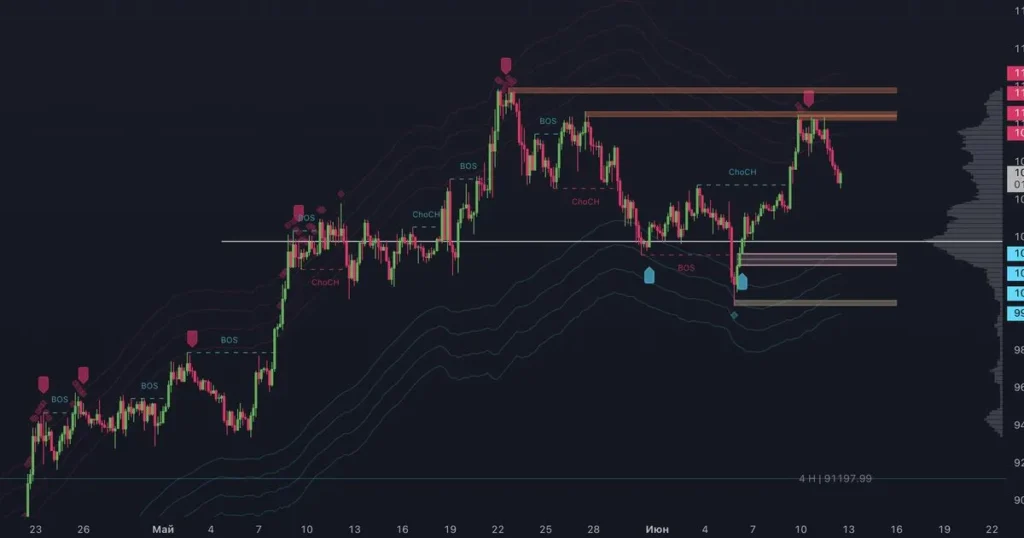
- ICT Trading stands for Inner Circle Trader Trading Methodology.
- It was developed by Michael Huddleston.
- The method focuses on institutional trading behavior.
- It teaches traders how smart money moves the market.
- ICT relies heavily on price action analysis.
- It helps traders identify high-probability setups.
- The strategy focuses on liquidity and market structure.
- It can be used in Forex, Stocks, Indices, and Commodities.
- Traders learn to recognize potential market manipulation.
- ICT aims to improve market understanding.
- It encourages disciplined trading decisions.
- The strategy reduces dependence on indicators.
- Traders focus on institutional footprints.
- It provides a structured trading framework.
- ICT Trading is popular among beginner and advanced traders.
2. History and Background of ICT Trading
- ICT Trading was introduced by Michael Huddleston.
- The methodology gained popularity through online education.
- It focuses on understanding institutional market activity.
- The strategy challenges traditional retail trading methods.
- ICT concepts evolved over many years.
- Thousands of traders study ICT worldwide.
- It emphasizes market efficiency and liquidity.
- Educational content made the strategy widely accessible.
- Traders use ICT concepts across multiple markets.
- The framework continues to evolve over time.
- It became popular through trading communities.
- Many mentors now teach ICT concepts.
- The methodology focuses on logic-based analysis.
- It aims to improve trade timing.
- Today, ICT is among the most discussed trading approaches.
3. Why ICT Trading Is Popular
- ICT focuses on institutional market behavior.
- It helps traders understand market movements.
- The strategy provides detailed market analysis.
- It emphasizes logical trade entries.
- Traders can identify liquidity zones.
- ICT reduces emotional decision-making.
- The method works on different timeframes.
- It supports risk management practices.
- Traders gain confidence through structured analysis.
- The strategy teaches patience.
- Many concepts are based on price action.
- It avoids excessive indicator usage.
- ICT can be adapted to different markets.
- Educational resources are widely available.
- Many traders appreciate its detailed framework.
4. Market Structure in ICT Trading
- Market Structure is a core ICT concept.
- It helps identify market direction.
- Traders analyze higher highs and higher lows.
- Lower highs and lower lows indicate bearish trends.
- Market structure helps predict future movement.
- Traders look for trend continuation signals.
- Breaks in structure may indicate reversals.
- Understanding structure improves trade timing.
- It helps identify support and resistance zones.
- Market structure reveals market sentiment.
- It is useful for entry and exit decisions.
- Traders combine it with liquidity analysis.
- Structure analysis works across timeframes.
- It helps reduce unnecessary trades.
- Strong structure analysis improves trading accuracy.
5. Understanding Liquidity in ICT Trading
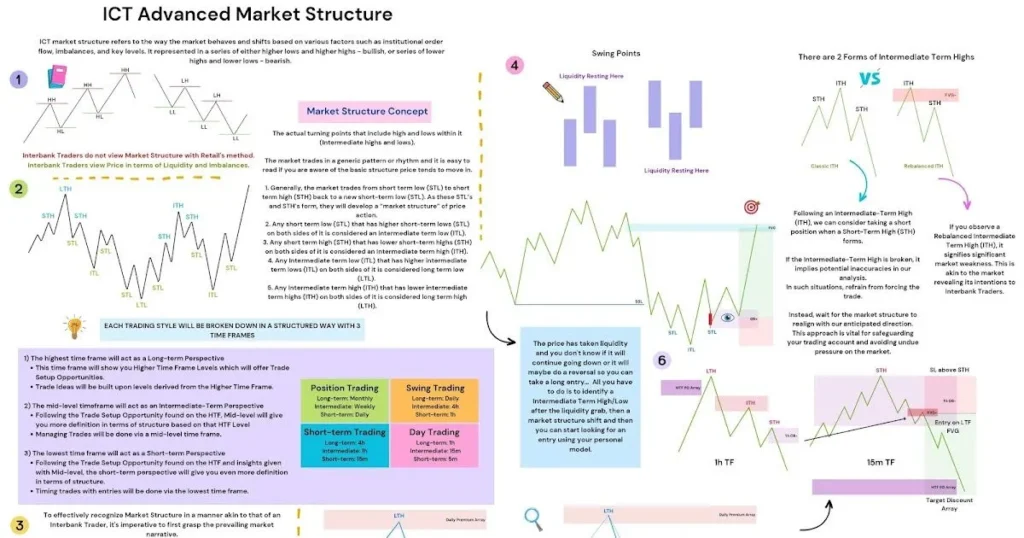
- Liquidity is where traders place stop-loss orders.
- Institutions often target liquidity zones.
- Liquidity exists above highs and below lows.
- ICT traders identify liquidity pools.
- These areas often attract market movement.
- Liquidity helps explain sudden price spikes.
- Traders use liquidity to anticipate reversals.
- Understanding liquidity improves trade planning.
- Liquidity is a key ICT principle.
- It reveals potential market intentions.
- Large players seek liquidity for execution.
- Liquidity zones can create trading opportunities.
- Traders monitor equal highs and lows.
- Price often reacts after liquidity is taken.
- Liquidity analysis strengthens market understanding.
6. What Is a Liquidity Grab?
- A Liquidity Grab occurs when price targets stop-losses.
- Institutions often trigger these movements.
- Price may move beyond obvious highs.
- It can also move below obvious lows.
- Many retail traders get trapped.
- Liquidity grabs often occur before reversals.
- Traders use them as confirmation signals.
- They reveal institutional activity.
- Understanding them reduces emotional reactions.
- Liquidity grabs create trading opportunities.
- They occur frequently in forex markets.
- Traders wait for confirmation after the grab.
- Risk management remains important.
- These events are common around news releases.
- ICT traders study them carefully.
7. Fair Value Gap (FVG)
- A Fair Value Gap (FVG) is a price imbalance.
- It occurs during strong market movement.
- Price often revisits these gaps later.
- Traders use FVGs as entry zones.
- They indicate inefficient price delivery.
- FVGs can act as support areas.
- They can also act as resistance areas.
- Many ICT setups involve FVGs.
- Traders combine them with market structure.
- FVGs improve entry precision.
- They are visible on different timeframes.
- Strong trends often create multiple gaps.
- Not every gap gets filled immediately.
- Confirmation is always recommended.
- FVGs are among the most used ICT tools.
8. Order Blocks in ICT Trading
- Order Blocks represent institutional buying or selling areas.
- They often appear before strong market moves.
- Traders use them as potential entry zones.
- Bullish order blocks support buying opportunities.
- Bearish order blocks support selling opportunities.
- They help identify institutional interest.
- Order blocks improve trade timing.
- They work well with liquidity concepts.
- Many reversals occur near order blocks.
- Traders seek confirmation before entry.
- Higher timeframe order blocks are stronger.
- Risk management remains essential.
- They are common in forex trading.
- Traders often combine them with FVGs.
- Order blocks are a key ICT concept.
9. Break of Structure (BOS)
- Break of Structure (BOS) signals trend continuation.
- It occurs when price breaks a significant level.
- BOS confirms market strength.
- Traders use it for trend validation.
- It helps identify bullish momentum.
- It also confirms bearish momentum.
- BOS improves trading confidence.
- It works with market structure analysis.
- Traders combine it with liquidity concepts.
- BOS can provide entry opportunities.
- It supports trend-following strategies.
- Strong BOS often leads to continuation.
- Confirmation helps avoid false signals.
- BOS is a common ICT concept.
- It improves trade accuracy.
10. Change of Character (CHOCH)
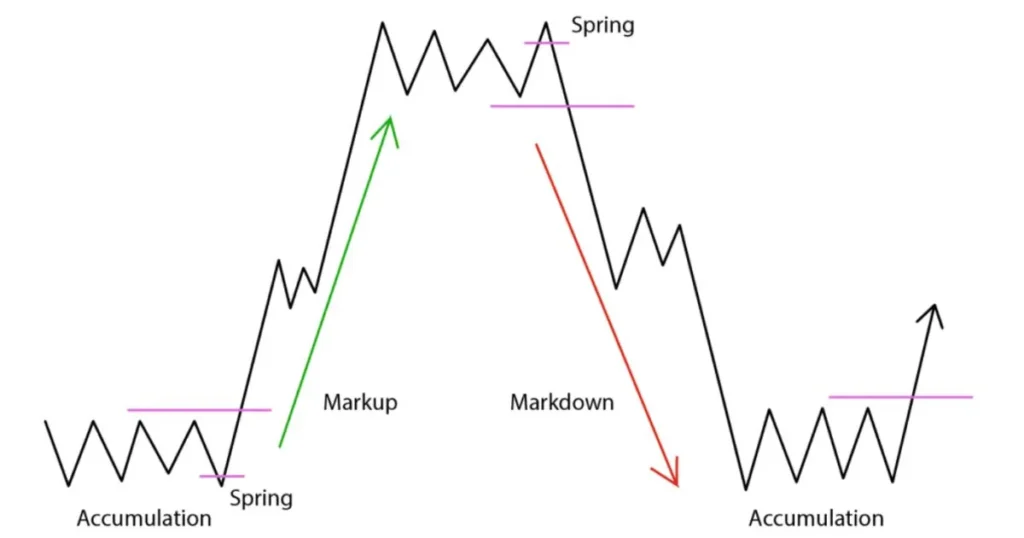
- CHOCH stands for Change of Character.
- It signals a possible trend reversal.
- Traders watch for structure shifts.
- CHOCH can appear before major moves.
- It helps identify changing momentum.
- Traders use it with liquidity analysis.
- It improves reversal detection.
- CHOCH is important for timing entries.
- It supports market structure analysis.
- Higher timeframe CHOCH signals are stronger.
- Confirmation reduces risk.
- It helps traders avoid late entries.
- CHOCH often precedes BOS.
- Traders use it in multiple markets.
- It is a valuable ICT concept.
11. ICT Trading Sessions and Kill Zones
- Trading Sessions are important in ICT Trading.
- The market behaves differently during each session.
- ICT focuses mainly on the London Session.
- The New York Session is also highly important.
- A Kill Zone is a period with high trading activity.
- Price movements are often stronger during Kill Zones.
- Traders look for liquidity sweeps during these times.
- Many institutional trades occur in active sessions.
- Volatility increases during major market openings.
- Traders can find better opportunities in Kill Zones.
- Session timing helps improve trade entries.
- It reduces trading during low-volume periods.
- ICT traders often plan their day around sessions.
- Understanding sessions improves market timing.
- Session analysis is a key part of ICT Trading.
12. Risk Management in ICT Trading
- Risk Management is essential for long-term success.
- Traders should never risk more than they can afford to lose.
- A stop-loss should be used on every trade.
- Many traders risk only 1% to 2% per trade.
- Proper position sizing protects trading capital.
- Risk management reduces emotional trading.
- Losing trades is a normal part of trading.
- Protecting capital is more important than making quick profits.
- A good risk-to-reward ratio is important.
- Traders should avoid overtrading.
- Consistency is built through proper risk control.
- Risk management helps survive market uncertainty.
- Successful traders prioritize capital preservation.
- Discipline is a major part of risk management.
- Every ICT trader should master this skill.
13. How to Start ICT Trading as a Beginner
- Start by learning the basic concepts of ICT Trading.
- Understand market structure before entering trades.
- Learn how liquidity affects price movement.
- Study Fair Value Gaps (FVGs) carefully.
- Understand the purpose of Order Blocks.
- Practice identifying trading setups on charts.
- Open a demo trading account first.
- Avoid using real money while learning.
- Create a simple trading plan.
- Keep a trading journal for improvement.
- Focus on quality setups instead of quantity.
- Learn proper risk management techniques.
- Be patient during the learning process.
- Review your trades regularly.
- Move to a live account only after gaining confidence.
14. Advantages and Disadvantages of ICT Trading
- ICT provides a structured trading framework.
- It helps traders understand institutional behavior.
- The strategy relies heavily on price action.
- It reduces dependence on indicators.
- ICT concepts can be applied to multiple markets.
- Traders gain a deeper understanding of market movement.
- The methodology improves analytical skills.
- However, ICT can be difficult for beginners.
- Learning all concepts requires time and dedication.
- Some traders may feel overwhelmed initially.
- Patience is necessary to master the strategy.
- Not every setup will be successful.
- Consistent practice is required.
- Strong discipline is essential.
- Despite challenges, many traders find ICT valuable.
15. Common Mistakes Beginners Make in ICT Trading
- Ignoring risk management rules.
- Trading without a clear plan.
- Risking too much money on one trade.
- Entering trades without confirmation.
- Misunderstanding market structure.
- Chasing trades after large price movements.
- Trading during low-volume sessions.
- Overcomplicating chart analysis.
- Using too many strategies at once.
- Ignoring liquidity concepts.
- Allowing emotions to control decisions.
- Failing to keep a trading journal.
- Expecting quick profits.
- Not practicing on a demo account first.
- Giving up before gaining enough experience.
Conclusion
ICT Trading is a powerful trading methodology that helps traders understand how financial markets move through the concepts of liquidity, market structure, order blocks, and fair value gaps. Unlike many traditional trading methods that rely heavily on indicators, ICT focuses on reading price action and identifying the areas where institutional traders may be active. This approach gives traders a deeper understanding of market behavior and helps them make more informed trading decisions.
For beginners, learning ICT Trading can seem challenging at first because of the number of concepts involved. However, by studying each concept step by step and practicing regularly on a demo account, traders can gradually build confidence and improve their market analysis skills. Patience, discipline, and consistency are essential for success because no trading strategy can guarantee profits on every trade.
The key to becoming successful with ICT Trading is combining technical knowledge with strong risk management. Traders who protect their capital, follow a trading plan, and continue learning from their experiences are more likely to achieve long-term success. Whether you trade forex, indices, stocks, or commodities, ICT concepts can provide a structured framework for understanding market movements and identifying high-probability opportunities.
FAQs
1. What does ICT stand for in trading?
ICT stands for Inner Circle Trader, a trading methodology created by Michael Huddleston. It focuses on understanding institutional market behavior, liquidity, and price action.
2. Is ICT Trading good for beginners?
Yes, ICT Trading can be suitable for beginners who are willing to spend time learning its concepts. Although it may seem complex initially, consistent study and practice can make it easier to understand.
3. What are the main concepts of ICT Trading?
The main ICT concepts include Market Structure, Liquidity, Order Blocks, Fair Value Gaps (FVGs), Break of Structure (BOS), and Change of Character (CHOCH).
4. Can ICT Trading be used in markets other than Forex?
Yes, ICT concepts can be applied to Forex, Stocks, Indices, Commodities, and even some Cryptocurrency markets because they are based on price movement and liquidity.
5. How long does it take to learn ICT Trading?
The learning period varies for each trader. Some beginners understand the basics within a few weeks, while mastering ICT concepts and applying them consistently may take several months of practice and chart study.