“Strong, simple, and smart gold trading starts with the right strategy.”
Gold trading is one of the most popular ways for beginners to enter the financial markets. Many new traders are attracted to gold because it is stable compared to other assets and reacts strongly to global events. However, without a proper plan, beginners often lose money due to emotional decisions and poor strategy selection.
If you are serious about learning gold trading, this guide is for you. It is designed to give you a complete beginner-friendly roadmap, step-by-step strategies, and practical techniques used by professional traders. Follow this guide carefully and you will understand how to trade gold with confidence.
This article will explain the best gold trading strategies, market behavior, risk management, and proven techniques that can help you build consistent results. Everything is written in simple English so you can understand easily and apply directly in real trading.
1. Understanding Gold Market Basics

Gold trading starts with understanding how the market works. Gold is traded as XAU/USD in forex markets.
- Gold moves based on supply and demand
- It reacts to inflation news
- Global crises increase gold price
- US Dollar strength affects gold directly
- Central bank decisions influence trends
- Traders use gold as a safe asset
- It has high liquidity worldwide
- Price moves in trends, not random
- News affects volatility strongly
- Beginners must track economic calendar
- Gold works well in technical analysis
- Market opens 24 hours globally
- Institutional trading drives movement
- Price reacts to interest rates
- Understanding basics builds strong foundation
2. Learn Support and Resistance Levels
Support and resistance are key tools in gold trading.
- Support is where price stops falling
- Resistance is where price stops rising
- These levels show market psychology
- Used by professional traders daily
- Helps identify entry points
- Helps identify exit points
- Works on all timeframes
- Strong levels create reversals
- Breakouts confirm strong trends
- False breakouts are common
- Combine with volume analysis
- Draw levels on charts manually
- Historical levels are important
- Price respects major zones
- Essential for beginner success
3. Trend Following Strategy
Trend trading is one of the safest strategies.
- Trade in direction of trend
- Uptrend means buy opportunities
- Downtrend means sell opportunities
- Use moving averages for confirmation
- Avoid trading against trend
- Higher timeframe shows main trend
- Lower timeframe gives entries
- Trend reduces risk significantly
- Increases win probability
- Works best in gold markets
- Use pullbacks for entry
- Avoid sideways markets
- Combine with indicators
- Follow momentum direction
- Simple and powerful method
4. Moving Average Strategy
Moving averages help identify direction easily.
- Use 50 EMA and 200 EMA
- Golden cross shows bullish trend
- Death cross shows bearish trend
- Helps filter market noise
- Works in all conditions
- Best for beginners
- Shows dynamic support/resistance
- Confirms trend strength
- Helps timing entries
- Avoid random trades
- Combine with price action
- Smooths price movement
- Easy to understand visually
- Used by professionals
- Improves trading accuracy
5. Price Action Trading Strategy
Price action means reading raw charts.
- No heavy indicators needed
- Focus on candlestick patterns
- Understand market behavior
- Use clean charts
- Pin bars show reversals
- Engulfing candles are powerful
- Works in all timeframes
- Helps identify momentum
- Reduces confusion
- Improves decision-making
- Best for long-term skill
- Requires practice
- Combine with support zones
- Used by expert traders
- Highly effective in gold
6. Breakout Trading Strategy
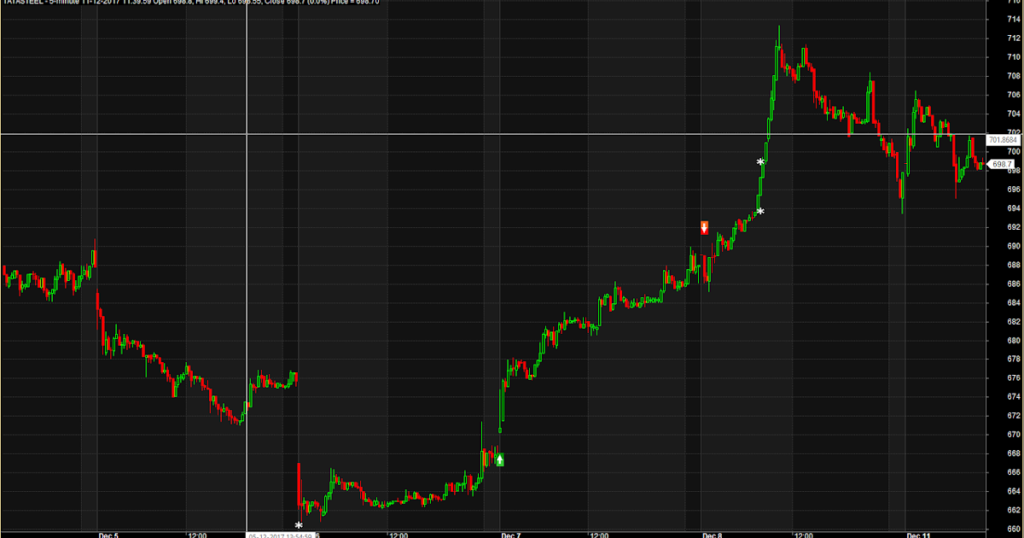
Breakouts offer strong trading opportunities.
- Price breaks key levels
- Shows strong momentum
- Entry after confirmation
- Avoid fake breakouts
- Use volume for validation
- Works in volatile gold market
- Fast profit opportunities
- High risk if unmanaged
- Use stop-loss always
- Trade news events carefully
- Wait for candle close
- Combine with resistance zones
- Works in trends
- Avoid overtrading
- Best during high volatility
7. Range Trading Strategy
Gold often moves in ranges.
- Price moves between two levels
- Buy at support zone
- Sell at resistance zone
- Works in sideways market
- Easy for beginners
- Lower risk setup
- Requires patience
- Avoid breakout times
- Use oscillators like RSI
- Predictable price movement
- Good for short trades
- Combine with candlesticks
- Identify clear boundaries
- Avoid emotional trading
- Very consistent method
8. RSI Indicator Strategy
RSI helps measure market strength.
- RSI shows overbought conditions
- RSI shows oversold conditions
- Above 70 means overbought
- Below 30 means oversold
- Helps find reversals
- Works best in ranges
- Combine with support/resistance
- Avoid standalone usage
- Useful for gold volatility
- Confirms entry timing
- Reduces bad trades
- Easy to read
- Beginner-friendly indicator
- Improves accuracy
- Works on all timeframes
9. News Trading Strategy
Gold reacts strongly to news.
- US economic news impacts gold
- Interest rate changes are key
- Inflation data moves price
- Non-farm payroll is important
- High volatility during news
- Quick profit opportunities
- High risk strategy
- Use small lot sizes
- Avoid emotional trading
- Follow economic calendar
- Wait for confirmation
- Trade direction carefully
- Spread increases during news
- Requires experience
- Powerful strategy if mastered
10. Swing Trading Strategy
Swing trading holds positions longer.
- Trades last days or weeks
- Focus on larger trends
- Less screen time needed
- Suitable for beginners
- Uses higher timeframes
- Requires patience
- Captures big moves
- Lower trading stress
- Uses technical analysis
- Combine indicators and price action
- Avoid small noise
- Good risk-to-reward ratio
- Works well in gold
- Fewer trades, better quality
- Ideal for part-time traders
11. Scalping Strategy
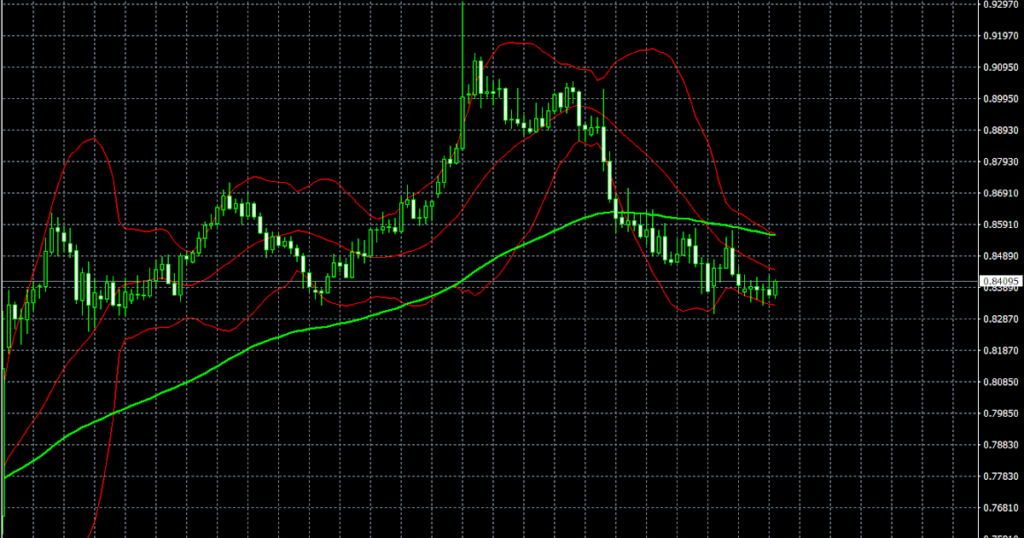
Scalping means quick trades.
- Trades last minutes
- Small profit targets
- High frequency trading
- Requires focus and speed
- Uses low timeframes
- Needs tight spreads
- Fast decision making
- High discipline required
- Works in volatile gold
- Risk management is critical
- Avoid overtrading
- Use strict stop-loss
- Quick entry and exit
- Suitable for experienced traders
- Demands strong mindset
12. Risk Management Strategy
Risk management is most important.
- Never risk more than 2%
- Always use stop-loss
- Protect trading capital
- Avoid emotional decisions
- Use proper lot size
- Calculate risk-reward ratio
- Avoid revenge trading
- Focus on consistency
- Small losses are normal
- Control greed and fear
- Keep trading journal
- Plan every trade
- Protect account longevity
- Discipline is key
- Survival comes first
13. Fibonacci Strategy
Fibonacci helps predict retracements.
- Used in trending markets
- Identifies pullback levels
- 38.2% and 61.8% key levels
- Helps entry timing
- Combines with trend trading
- Works in gold volatility
- Used by professionals
- Improves accuracy
- Shows hidden support zones
- Avoid random usage
- Confirm with price action
- Works on all timeframes
- Helps risk planning
- Powerful technical tool
- Easy to learn basics
14. Multi-Timeframe Analysis
Analyze multiple charts for accuracy.
- Use daily for trend
- Use hourly for structure
- Use 15-minute for entry
- Confirms overall direction
- Avoid conflicting signals
- Improves decision making
- Reduces false trades
- Used by professionals
- Helps clear market bias
- Better entry timing
- Strong confirmation tool
- Works in gold trading
- Avoid single timeframe trading
- Improves confidence
- Very effective method
15. Trading Psychology Strategy
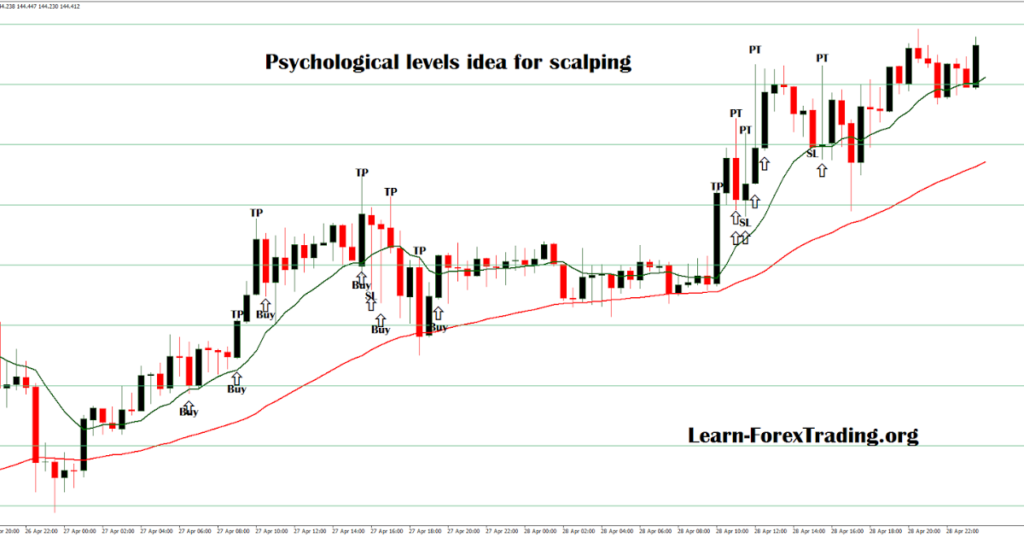
Mindset controls trading success.
- Control emotions
- Avoid overtrading
- Stay disciplined
- Accept losses
- Follow trading plan
- Be patient
- Avoid revenge trading
- Focus on long-term growth
- Stay consistent
- Reduce fear and greed
- Trust your strategy
- Keep learning daily
- Build confidence slowly
- Think like professional
- Psychology equals success
Conclusion
Gold trading is not about luck, it is about strategy, discipline, and patience. Beginners who follow structured methods like trend trading, support-resistance, and risk management can build strong consistency in the market. The key is to start simple and avoid emotional decisions.
If you practice these best gold trading strategies step by step, you will gradually improve your skills and understand market behavior better. Always remember that success in trading comes from learning, practice, and discipline rather than shortcuts.
FAQs Best Gold Trading Strategy for Beginners
1. What is the best gold trading strategy for beginners?
The best strategy for beginners is trend following combined with support and resistance. It is simple and helps you trade in the direction of the market instead of against it. Beginners should avoid complex systems and focus on basic price action and risk management.
2. Is gold trading good for beginners?
Yes, gold trading is good for beginners because it is highly liquid and follows clear trends. However, it is also very volatile, so beginners must use proper stop-loss, small lot sizes, and a clear trading plan to avoid big losses.
3. What time is best for trading gold (XAU/USD)?
The best time to trade gold is during the London session and New York session overlap. During this time, the market has high volume and strong movement, which creates better trading opportunities and clearer trends.
4. How much money do I need to start gold trading?
You can start gold trading with a small amount, even $50–$100 in some brokers. However, it is better to start with at least $200–$500 to manage risk properly. The most important thing is not capital, but risk control and discipline.
5. Why do beginners lose money in gold trading?
Beginners often lose money because of emotional trading, lack of strategy, overtrading, and poor risk management. Many also trade without understanding market structure or news impact, which leads to random decisions and losses.