“The ICT Power of 3 (PO3) is a powerful trading model that helps traders understand how the market moves through Accumulation, Manipulation, and Distribution before making a significant price move.”
The ICT Power of 3 (PO3) is one of the most valuable concepts in ICT trading. It explains how Smart Money often guides the market through three distinct phases: Accumulation, Manipulation, and Distribution. Rather than reacting to random price movements, traders can use this model to understand the logic behind market behavior and identify high-probability trading opportunities. Whether you are just starting your trading journey or already have experience, learning the Power of 3 can help you improve your market analysis, increase your confidence, and make more informed trading decisions.
If you want to trade with a structured strategy instead of relying on guesswork, this guide is designed for you. Read each section carefully, understand the purpose of every phase, and practice the concepts on historical charts before applying them in live markets. With consistent practice and patience, the ICT Power of 3 can help you avoid common trading mistakes, improve your timing, and develop a disciplined approach to trading.
In this complete guide, you will learn what the ICT Power of 3 (PO3) is, why it is important, how the Accumulation, Manipulation, and Distribution phases work, how to identify PO3 on different timeframes, and how to combine it with Liquidity, Market Structure, Order Blocks, and Fair Value Gaps (FVGs). You will also discover common mistakes traders make, effective risk management tips, and practical techniques to use the ICT Power of 3 confidently in your daily trading plan. Every topic is explained in easy English with clear, beginner-friendly examples that make the concepts simple to understand.
1. What Is ICT Power of 3 (PO3)?
- ICT Power of 3 (PO3) is a trading model developed to explain how price moves.
- It consists of three phases: Accumulation, Manipulation, and Distribution.
- The model helps traders understand Smart Money behavior.
- It can be used in Forex, Gold, Indices, and Crypto markets.
- It works on multiple timeframes.
- Traders use it to identify high-probability trade setups.
- It improves market timing.
- It helps avoid emotional trading.
- It explains why false breakouts happen.
- It focuses on liquidity movement.
- It works well with Market Structure.
- It can be combined with Order Blocks.
- It also works with Fair Value Gaps (FVGs).
- Practice is important before using it in live trading.
- Learning PO3 gives traders a better understanding of price action.
2. Why Is ICT Power of 3 Important?
- It helps traders understand the market cycle.
- It reduces confusion during price movements.
- It improves entry and exit timing.
- It helps identify Smart Money activity.
- It reduces the chances of chasing the market.
- It improves risk management.
- It helps traders avoid false breakouts.
- It provides a logical trading framework.
- It works in trending and ranging markets.
- It increases confidence when combined with other ICT concepts.
- It teaches patience.
- It helps traders wait for confirmation.
- It improves trading discipline.
- It supports better decision-making.
- It can increase consistency with proper practice.
3. Understanding the Three Phases of ICT Power of 3
- The ICT Power of 3 is divided into three important phases.
- The first phase is Accumulation, where the market moves within a small price range.
- During accumulation, buyers and sellers are balanced, and price usually moves sideways.
- The second phase is Manipulation, where price moves above or below the range to collect liquidity.
- This movement often tricks retail traders into entering the wrong direction.
- Large institutions, also known as Smart Money, use this phase to trigger stop losses.
- After enough liquidity is collected, the market enters the third phase called Distribution.
- In the Distribution phase, price moves strongly toward the real market direction.
- This phase often creates the largest trading opportunities of the day.
- Understanding all three phases helps traders avoid emotional decisions.
- The pattern can appear during the London, New York, or Asian trading sessions.
- Combining these phases with market structure increases trade accuracy.
- Waiting for confirmation before entering a trade reduces unnecessary losses.
- Practicing these phases on historical charts builds confidence and experience.
- Mastering these three phases is the foundation of using the ICT Power of 3 successfully.
4. Accumulation Phase Explained
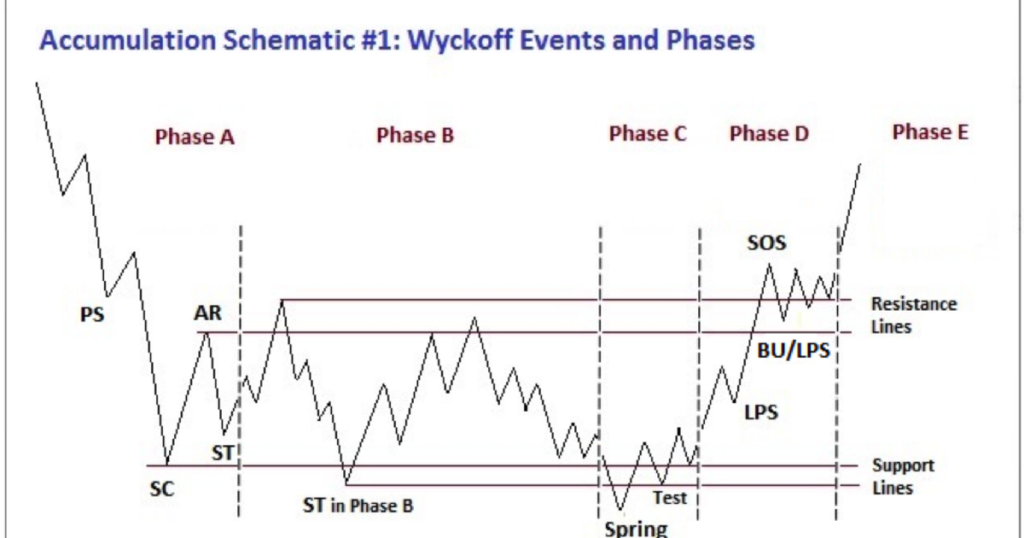
- Accumulation is the first stage of the ICT Power of 3 model.
- During this phase, price moves within a narrow range without showing a clear trend.
- Buyers and sellers appear to have equal control of the market.
- Trading volume may remain steady while price stays inside the range.
- Smart Money quietly builds positions during this period.
- Many traders become impatient because the market shows little movement.
- This phase often takes place before a major market session opens.
- It creates the foundation for the next move in the market.
- Traders should identify the high and low of the accumulation range.
- These levels often become important reference points later.
- Avoid entering trades too early during this phase.
- Wait for the price to show signs of manipulation before making a trading decision.
- A well-defined accumulation range increases the probability of a successful setup.
- Using higher timeframes can help confirm the accumulation area.
- Recognizing this phase early helps traders prepare for the next market movement.
5. Manipulation Phase Explained
- Manipulation is the second and one of the most important phases of the ICT Power of 3.
- During this stage, price moves beyond the accumulation range.
- The purpose of this move is to collect liquidity from retail traders.
- Many traders believe a new trend has started and enter trades too quickly.
- In reality, this move is often a false breakout.
- Smart Money uses this phase to trigger stop-loss orders.
- The manipulation can happen above the range or below the range.
- Once enough liquidity has been collected, price usually changes direction.
- Traders should avoid chasing the breakout during this phase.
- Instead, wait for clear confirmation that the manipulation is complete.
- Watch for changes in market structure after the liquidity sweep.
- Additional confirmation can come from an Order Block or Fair Value Gap (FVG).
- Patience during this phase can prevent unnecessary losses.
- Understanding manipulation helps traders avoid common retail trading mistakes.
- Correctly identifying this phase greatly improves the quality of trade entries.
6. Distribution Phase Explained
- Distribution is the third and final phase of the ICT Power of 3 (PO3).
- This phase begins after the Manipulation stage has collected enough liquidity.
- The market starts moving in its true direction with stronger momentum.
- Smart Money pushes the price toward its intended target.
- This phase often creates the biggest trading opportunities.
- Traders should wait for a clear confirmation before entering a trade.
- A break in market structure can confirm the new trend.
- Order Blocks can provide high-probability entry zones.
- Fair Value Gaps (FVGs) may act as retracement areas before the trend continues.
- Price usually forms higher highs in an uptrend or lower lows in a downtrend.
- Risk management remains important during this phase.
- Traders should use a logical stop-loss below or above the recent swing.
- Profit targets can be placed near important liquidity levels.
- Patience helps traders stay in winning trades longer.
- Understanding the Distribution phase helps traders follow the market instead of fighting it.
7. How to Identify ICT Power of 3 on a Chart
- Start by opening a clean price chart without unnecessary indicators.
- Identify whether the market is moving sideways or trending.
- Look for a clear Accumulation range with equal highs and lows.
- Mark the highest and lowest points of the range.
- Wait for the price to move above or below the range.
- Check whether the breakout appears to be a liquidity sweep.
- Watch for a quick rejection after the breakout.
- Confirm the change in market structure.
- Look for an Order Block near the reversal area.
- Identify any Fair Value Gap (FVG) that supports the setup.
- Wait for the price to retrace before entering the trade.
- Place the stop-loss beyond the manipulation high or low.
- Choose realistic take-profit levels based on liquidity.
- Always check the higher timeframe for additional confirmation.
- Practice identifying these setups on historical charts before trading live.
8. ICT Power of 3 Trading Rules
- Always begin with a higher timeframe market analysis.
- Never enter a trade without identifying the Accumulation phase.
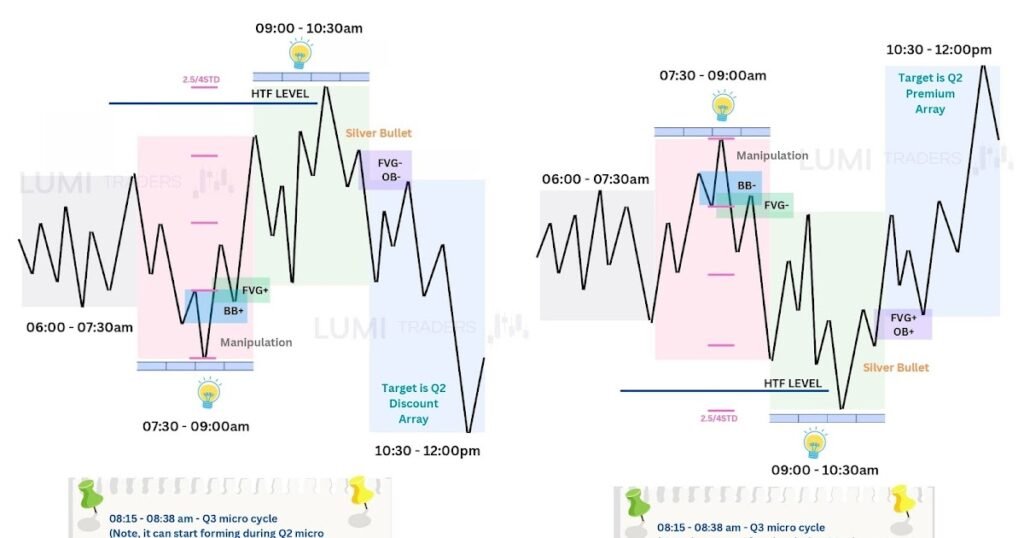
- Wait patiently for the Manipulation move to occur.
- Avoid chasing large breakout candles.
- Confirm the trade using market structure.
- Look for confluence with an Order Block.
- Use Fair Value Gaps (FVGs) to improve entry timing.
- Risk only a small percentage of your trading account per trade.
- Always use a planned stop-loss.
- Set a realistic risk-to-reward ratio, such as 1:2 or 1:3.
- Avoid trading during low-volume market conditions.
- Do not take trades based only on emotions.
- Record every trade in a trading journal.
- Review both winning and losing trades to improve your strategy.
- Stay disciplined and follow your trading plan consistently.
9. Best Timeframes for ICT Power of 3
- The ICT Power of 3 (PO3) can be used on multiple timeframes.
- Choosing the right timeframe depends on your trading style.
- Scalpers often use the 1-minute and 5-minute charts.
- Day traders usually prefer the 15-minute and 30-minute charts.
- Swing traders often analyze the 1-hour and 4-hour charts.
- The Daily chart helps identify the overall market trend.
- Start your analysis from a higher timeframe before moving to a lower timeframe.
- Higher timeframes provide stronger and more reliable market direction.
- Lower timeframes help traders refine their entry and exit points.
- Confirm the Accumulation, Manipulation, and Distribution phases on multiple timeframes.
- Avoid making trading decisions using only one timeframe.
- Multi-timeframe analysis improves trade accuracy and confidence.
- Check for market structure alignment across different charts.
- Practice using the same timeframe consistently to build experience.
- Combining multiple timeframes with PO3 creates higher-probability trading setups.
10. Combining ICT Power of 3 with Liquidity
- Liquidity is one of the most important concepts in ICT trading.
- Smart Money often targets areas where many stop-loss orders are placed.
- These areas are commonly found above old highs and below old lows.
- The Manipulation phase usually sweeps these liquidity zones.
- After collecting liquidity, the market often reverses sharply.
- Traders should mark important liquidity levels before the trading session begins.
- Equal highs and equal lows are common liquidity targets.
- Previous day’s high and low are also significant liquidity areas.
- Combining PO3 with liquidity improves trade confirmation.
- Wait for the liquidity sweep before entering a position.
- Avoid entering trades before liquidity has been taken.
- Watch for a market structure shift after the sweep.
- An Order Block near the liquidity zone strengthens the setup.
- Proper liquidity analysis helps reduce false entries.
- Understanding liquidity allows traders to follow institutional market behavior instead of retail emotions.
11. Using ICT Power of 3 with Order Blocks
- Order Blocks are areas where Smart Money may have placed large buy or sell orders.
- They work very well when combined with the ICT Power of 3.
- After the Manipulation phase, price often returns to an Order Block.
- This retracement can provide a high-probability trade entry.
- Bullish Order Blocks are used for buying opportunities.
- Bearish Order Blocks are used for selling opportunities.
- Always wait for confirmation before entering from an Order Block.
- A change in market structure increases the reliability of the setup.
- Fair Value Gaps (FVGs) near an Order Block provide additional confirmation.
- Do not enter every Order Block without analyzing the overall market trend.
- Use higher timeframes to identify stronger Order Blocks.
- Lower timeframes help fine-tune trade entries.
- Place the stop-loss beyond the Order Block to manage risk.
- Set your take-profit near the next liquidity target.
- Combining PO3, Liquidity, and Order Blocks creates a powerful and well-structured trading strategy.
12. Common Mistakes Traders Make with ICT Power of 3
- Many beginners enter trades before the Accumulation phase is complete.
- Chasing every breakout is one of the biggest trading mistakes.
- Ignoring the Manipulation phase often leads to unnecessary losses.
- Trading without understanding liquidity reduces the quality of trade setups.
- Using large position sizes increases trading risk.
- Skipping stop-loss placement can result in significant losses.
- Depending only on one timeframe gives an incomplete market picture.
- Ignoring the overall market trend affects trade accuracy.
- Taking trades without confirming market structure is risky.
- Entering trades based on emotions instead of a trading plan causes inconsistency.
- Overtrading after a winning or losing streak reduces discipline.
- Ignoring Order Blocks and Fair Value Gaps (FVGs) removes valuable confirmation.
- Failing to keep a trading journal slows long-term improvement.
- Expecting every PO3 setup to work perfectly is unrealistic.
- Learning from mistakes and following a structured trading plan leads to steady progress.
13. Risk Management When Trading ICT Power of 3
- Risk management is the key to long-term trading success.
- Never risk more money than you can afford to lose.
- Many professional traders risk only 1% to 2% of their account per trade.
- Always place a logical stop-loss before entering a position.
- Calculate your position size based on your account balance.
- Do not move your stop-loss because of emotions.
- Aim for a positive risk-to-reward ratio, such as 1:2 or 1:3.
- Avoid opening multiple trades on the same market without a clear reason.
- Stay patient and wait for high-quality PO3 setups.
- Keep your emotions under control during both winning and losing trades.
- Avoid revenge trading after a loss.
- Follow your trading plan with consistency.
- Review your trades regularly to identify areas for improvement.
- Protecting your trading capital is more important than making quick profits.
- Strong risk management helps traders stay profitable over the long term.
14. Practical Example of ICT Power of 3
- Imagine the market opens and begins moving sideways.
- This sideways movement forms the Accumulation phase.
- Traders mark the highest and lowest points of the range.
- Later, the price suddenly moves above the range.
- Many retail traders believe a bullish breakout has started.
- This upward move is actually the Manipulation phase.
- Smart Money collects liquidity by triggering buy orders and stop losses.
- Shortly after, the market reverses and breaks below the range.
- A clear change in market structure confirms the new direction.
- Price retraces into a bearish Order Block.
- The trader enters a sell position after confirmation.
- The stop-loss is placed above the manipulation high.
- The take-profit is set near the next liquidity level.
- The market continues lower during the Distribution phase.
- This example shows how understanding PO3 can improve trade timing and decision-making.
15. Tips to Master ICT Power of 3
- Learn the basics of ICT trading before using advanced concepts.
- Study the Accumulation, Manipulation, and Distribution phases carefully.
- Practice identifying PO3 setups on historical charts every day.
- Use a demo account before trading with real money.
- Focus on quality setups instead of taking many trades.
- Combine PO3 with Liquidity, Order Blocks, and Fair Value Gaps (FVGs).
- Always check the higher timeframe for market direction.
- Wait for confirmation before entering a trade.
- Follow a consistent risk management plan.
- Keep a detailed trading journal to track your performance.
- Review your mistakes and learn from every trade.
- Stay patient during slow market conditions.
- Continue improving through regular chart practice.
- Build confidence through discipline and consistency.
- Mastering the ICT Power of 3 takes time, but continuous learning and practice can help you become a more confident and disciplined trader.
Conclusion
The ICT Power of 3 (PO3) is a simple yet highly effective trading model that helps traders understand how Smart Money operates in the financial markets. By learning the three key phases—Accumulation, Manipulation, and Distribution—traders can better understand why price moves the way it does. Instead of reacting emotionally to every market fluctuation, the PO3 framework encourages traders to wait for high-probability setups and make more informed trading decisions.
Combining the ICT Power of 3 with concepts such as Liquidity, Market Structure, Order Blocks, and Fair Value Gaps (FVGs) can significantly improve trade accuracy. These tools work together to provide stronger confirmation before entering a position, helping traders avoid false breakouts and reducing unnecessary risk. At the same time, applying proper risk management by using logical stop-loss levels and appropriate position sizing is essential for protecting your trading capital over the long term.
Success with the ICT Power of 3 does not happen overnight. It requires patience, discipline, and consistent practice. Spend time studying historical charts, reviewing your trades, and following a well-defined trading plan. Focus on taking high-quality setups instead of trading frequently, and continue learning as market conditions evolve. With dedication and continuous improvement, the ICT Power of 3 (PO3) can become a valuable part of your trading strategy and help you build greater confidence and consistency in the markets.
Frequently Asked Questions (FAQs)
1. What is the ICT Power of 3 (PO3)?
The ICT Power of 3 (PO3) is a Smart Money trading concept that explains how the market moves in three phases: Accumulation, Manipulation, and Distribution. It helps traders understand price movements and identify high-probability trade setups.
2. Is the ICT Power of 3 suitable for beginners?
Yes, the ICT Power of 3 is suitable for beginners who want to learn price action and Smart Money concepts. However, new traders should practice on a demo account and study historical charts before trading with real money.
3. Which timeframes are best for trading the ICT Power of 3?
The ICT Power of 3 works on all timeframes, including the 1-minute, 5-minute, 15-minute, 1-hour, 4-hour, and Daily charts. Many traders use higher timeframes to identify the trend and lower timeframes to find precise trade entries.
4. Can I use the ICT Power of 3 with other ICT concepts?
Yes. The ICT Power of 3 works even better when combined with Liquidity, Market Structure, Order Blocks, and Fair Value Gaps (FVGs). Using multiple confirmations can improve trade accuracy and reduce false signals.
5. How can I master the ICT Power of 3 trading strategy?
To master the ICT Power of 3, study the three market phases, practice on historical charts, follow a solid risk management plan, keep a trading journal, and remain patient. Consistent learning and regular practice will help you become more confident and disciplined over time.