“SMT Divergence helps traders identify hidden market weakness before major price reversals occur.”
The SMT Divergence Trading Strategy is one of the most effective concepts used by Smart Money traders to identify high-probability trading opportunities. Instead of relying only on indicators, this strategy compares the price movement of two correlated markets to spot differences in their behavior.
These differences often reveal that institutional traders may be preparing for a market reversal or continuation. When used correctly, SMT Divergence can improve trade accuracy and help traders avoid false market moves.
If you want to improve your trading results, learning the SMT Divergence Strategy is a smart step. This guide explains the strategy in easy English, uses practical examples, and shows how professional traders apply SMT Divergence in real market conditions. Whether you trade Forex, Gold, Indices, or Cryptocurrency, this strategy can become a valuable part of your trading plan.
In this article, you will learn what SMT Divergence is, how it works, how to identify it on charts, common mistakes to avoid, risk management techniques, and real chart examples. By the end of this guide, you will have a clear understanding of how to use SMT Divergence with confidence.
1. What Is SMT Divergence Trading Strategy?
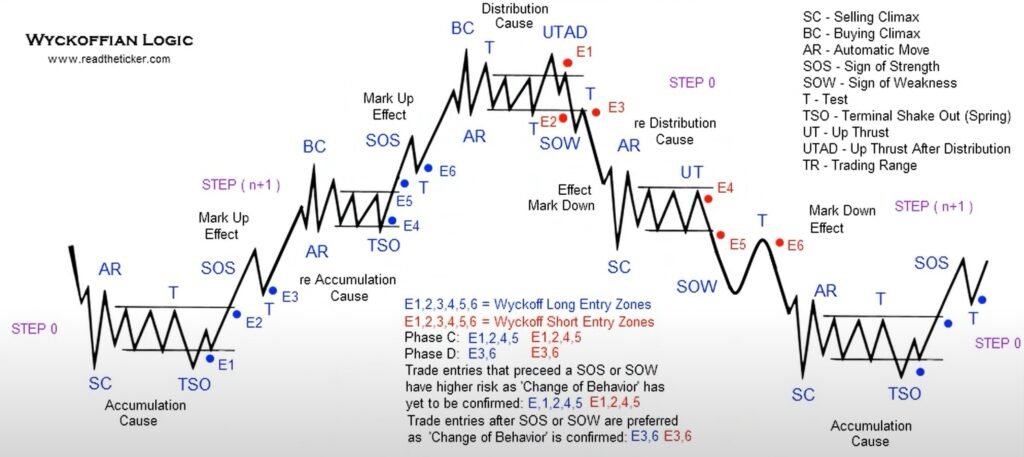
SMT stands for Smart Money Technique.
- SMT Divergence compares two correlated financial markets.
- It helps traders detect hidden market weakness or strength.
- The strategy is based on the idea that related markets normally move together.
- When they stop moving together, a divergence appears.
- This divergence can signal a potential market reversal.
- Institutional traders often monitor these differences before entering large positions.
- SMT Divergence is commonly used with price action rather than lagging indicators.
- Many ICT (Inner Circle Trader) concepts include SMT Divergence as an important confirmation tool.
- The strategy works across different timeframes.
- It can be used for day trading, swing trading, and scalping.
- It helps traders avoid entering trades during weak market conditions.
- It improves confidence when combined with market structure.
- SMT Divergence does not predict every reversal but increases the probability of success.
- Professional traders use it as one confirmation instead of trading it alone.
- A proper understanding of SMT Divergence requires practice on real trading charts.
2. How Does SMT Divergence Work?
- Two related markets usually move in the same direction.
- Sometimes one market creates a higher high while the other does not.
- This difference creates an SMT Divergence.
- The divergence suggests that buying or selling pressure is weakening.
- Smart Money may already be positioning for a new move.
- Traders wait for additional confirmation before entering.
- Confirmation often comes from market structure breaks.
- Liquidity grabs also strengthen the setup.
- Fair Value Gaps can improve entry timing.
- Volume analysis may provide extra confirmation.
- Higher timeframes usually offer stronger signals.
- Lower timeframes help traders fine-tune entries.
- Patience is important because not every divergence results in a reversal.
- Proper risk management should always accompany every trade.
- Successful traders combine SMT Divergence with a complete trading plan.
3. Why Traders Use SMT Divergence
- It helps identify high-probability trade setups.
- It improves entry timing.
- It reduces false trading signals.
- It supports Smart Money concepts.
- It provides early reversal clues.
- It works in trending markets.
- It also works during ranging markets with confirmation.
- It improves risk-to-reward opportunities.
- It works well with price action.
- It can be used without complicated indicators.
- It increases trader confidence.
- It fits multiple trading styles.
- It helps traders understand institutional behavior.
- It works in Forex, Gold, Indices, and Crypto.
- It becomes more reliable with experience and chart practice.
4. Markets Where SMT Divergence Works Best
- Forex currency pairs.
- Gold (XAU/USD).
- NASDAQ and S&P 500 indices.
- Dow Jones Index.
- Cryptocurrency markets.
- US Dollar Index (DXY).
- Correlated stock indices.
- Major currency pairs with strong relationships.
- Highly liquid markets.
- Markets with consistent trading volume.
- London trading session.
- New York trading session.
- High-impact news days with confirmation.
- Swing trading opportunities.
- Intraday trading setups using Smart Money concepts.
5.
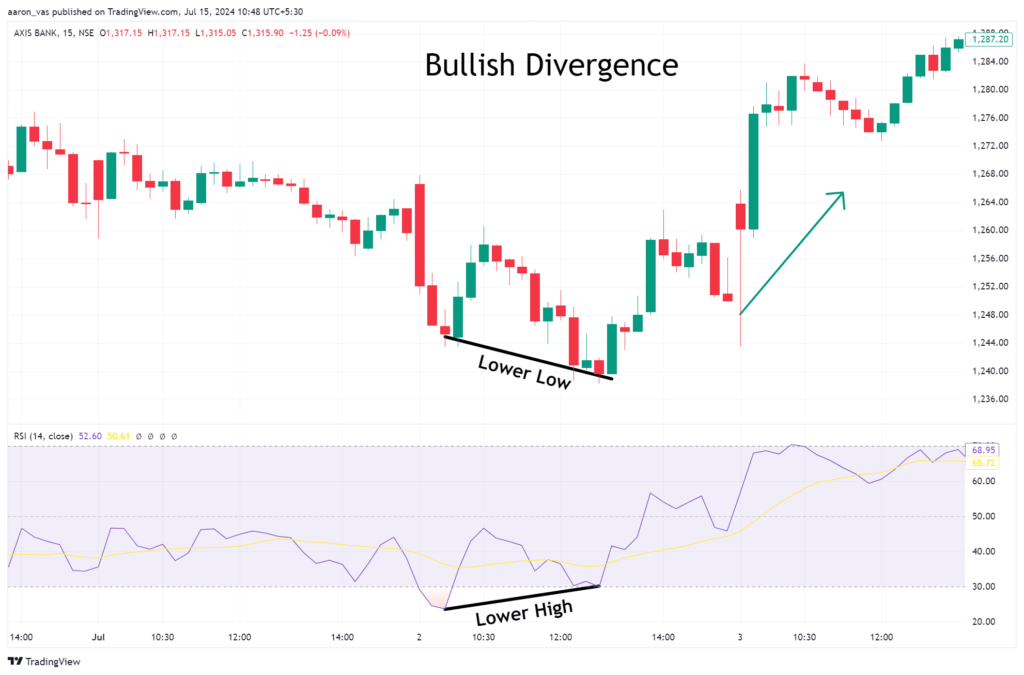
A Bullish SMT Divergence appears when one correlated market creates a lower low, while the other market fails to make a new low. This difference shows that selling pressure may be weakening and that Smart Money could be preparing to push the market higher. Traders use this signal to look for buying opportunities after additional confirmation.
- A bullish divergence often forms near a strong support level.
- Compare two correlated markets, such as EUR/USD and GBP/USD.
- One market creates a new lower low.
- The second market holds above its previous low.
- This difference indicates that sellers are losing control.
- Wait for a Break of Structure (BOS) before entering.
- A Change of Character (CHOCH) can also confirm the setup.
- Look for a Fair Value Gap (FVG) or Order Block as an entry area.
- Place your stop-loss below the recent swing low.
- Aim for the next major resistance or liquidity level as your target.
- Avoid entering before confirmation appears.
- Use higher timeframes to identify the overall market trend.
- Lower timeframes can help you fine-tune your entry.
- Risk only a small percentage of your trading account on each trade.
- Always combine Bullish SMT Divergence with proper risk management.
6. Bearish SMT Divergence Trading Strategy
A Bearish SMT Divergence happens when one market creates a higher high, while the other market fails to make a new high. This suggests that buyers are becoming weaker and that the market may soon move downward.
- Compare two related markets moving in the same direction.
- One market forms a new higher high.
- The second market fails to reach a new high.
- This difference creates a Bearish SMT Divergence.
- It often appears near a strong resistance level.
- Wait for a confirmed Break of Structure.
- Watch for bearish candlestick patterns before entering.
- A bearish Order Block can improve entry accuracy.
- Keep your stop-loss above the recent swing high.
- Target the next support level or liquidity pool.
- Avoid selling without confirmation.
- Follow the higher timeframe trend whenever possible.
- Use lower timeframes only for better entries.
- Control your position size to reduce risk.
- Stay disciplined and avoid emotional trading decisions.
7. How to Identify SMT Divergence on a Real Chart
Finding SMT Divergence becomes easier with regular chart practice. Instead of looking at a single chart, compare two correlated markets side by side.
- Open two correlated charts on your trading platform.
- Select the same timeframe on both charts.
- Mark recent swing highs and swing lows.
- Compare the latest price movements.
- Check if one market makes a new high while the other does not.
- Check if one market makes a new low while the other does not.
- Mark the divergence with drawing tools.
- Wait for market structure confirmation.
- Look for liquidity sweeps around key levels.
- Identify nearby Fair Value Gaps.
- Confirm the trend using higher timeframes.
- Watch volume if available.
- Never trade based only on divergence.
- Record your setups in a trading journal.
- Practice on historical charts before trading with real money.
8. Real Chart Example of SMT Divergence
Imagine you are comparing EUR/USD and GBP/USD during the London trading session.
- EUR/USD creates a fresh lower low.
- GBP/USD holds above its previous low.
- This creates a Bullish SMT Divergence.
- The difference suggests sellers are losing strength.
- Price begins to reject the lower level.
- A bullish candle forms after the rejection.
- Market structure shifts upward.
- A Fair Value Gap appears.
- Traders enter after confirmation.
- The stop-loss is placed below the recent low.
- The target is set near the previous swing high.
- Price reaches the target with a favorable risk-to-reward ratio.
- The setup follows Smart Money principles.
- Patience helps avoid false entries.
- This example shows why confirmation is essential before opening any trade.
9. Best Timeframes for SMT Divergence Trading
Choosing the right timeframe is very important because it affects the quality of your trading signals. Professional traders usually start with higher timeframes to understand the overall market direction before looking for entries on lower timeframes.
- The Daily (D1) timeframe is best for identifying the overall market trend.
- The 4-Hour (H4) chart provides strong swing trading opportunities.
- The 1-Hour (H1) timeframe is ideal for intraday traders.
- The 15-Minute (M15) chart offers accurate entry points.
- The 5-Minute (M5) timeframe is suitable for experienced scalpers.
- Always analyze the higher timeframe before entering on a lower timeframe.
- Stronger SMT Divergence signals usually appear on H1, H4, and Daily charts.
- Lower timeframes produce more signals but may include more market noise.
- Combine multiple timeframes for better confirmation.
- Avoid trading during extremely low market volatility.
- Focus on active trading sessions like London and New York.
- Wait for confirmation before entering any trade.
- Keep your trading plan consistent across all timeframes.
- Review historical charts to understand how SMT Divergence behaves.
- Select the timeframe that matches your trading style and experience.
10. SMT Divergence Entry Rules
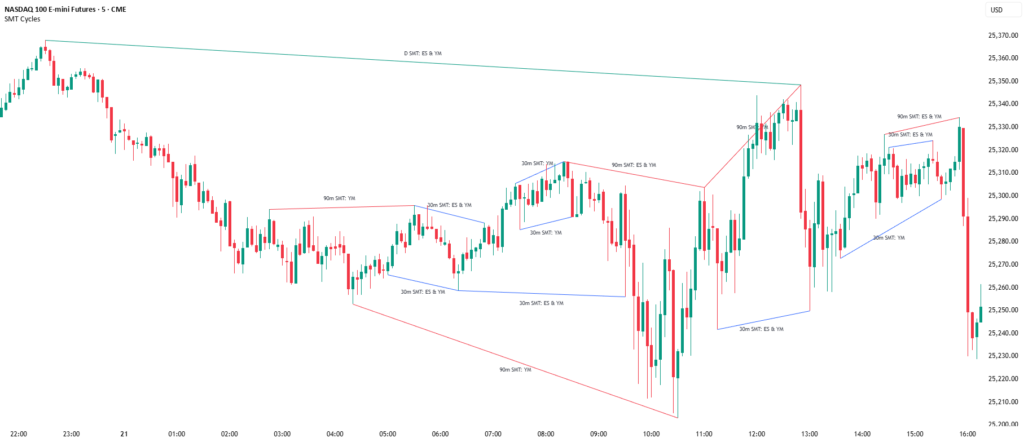
Having clear entry rules helps traders avoid emotional decisions and improves consistency. Every trade should follow a predefined checklist before execution.
- Confirm the overall market trend.
- Compare two correlated markets.
- Identify a valid SMT Divergence.
- Wait for a Break of Structure (BOS).
- Look for a Change of Character (CHOCH) if available.
- Mark nearby Order Blocks.
- Identify any Fair Value Gaps (FVGs).
- Wait for the price to return to a high-probability entry zone.
- Use a confirmation candlestick pattern.
- Place your stop-loss at a logical technical level.
- Calculate your risk before opening the trade.
- Ensure the trade offers at least a 1:2 Risk-to-Reward Ratio.
- Avoid entering during major news releases unless part of your strategy.
- Follow your trading plan without hesitation.
- Record every trade in your trading journal for future analysis.
11. SMT Divergence Exit Rules
Knowing when to exit a trade is just as important as knowing when to enter. A good exit strategy protects profits and reduces unnecessary losses.
- Set your profit target before entering.
- Use nearby support and resistance levels.
- Target major liquidity zones.
- Follow your planned Risk-to-Reward Ratio.
- Move your stop-loss to break-even after price moves in your favor.
- Consider taking partial profits at key levels.
- Exit if the market structure changes against your position.
- Avoid changing your target because of emotions.
- Use trailing stops in strong trends if appropriate.
- Close the trade if your setup becomes invalid.
- Do not hold trades without a clear reason.
- Stay disciplined during market volatility.
- Accept small losses as part of trading.
- Review your exit decisions after every trade.
- Consistent exits improve long-term trading performance.
12. Risk Management for SMT Divergence Trading
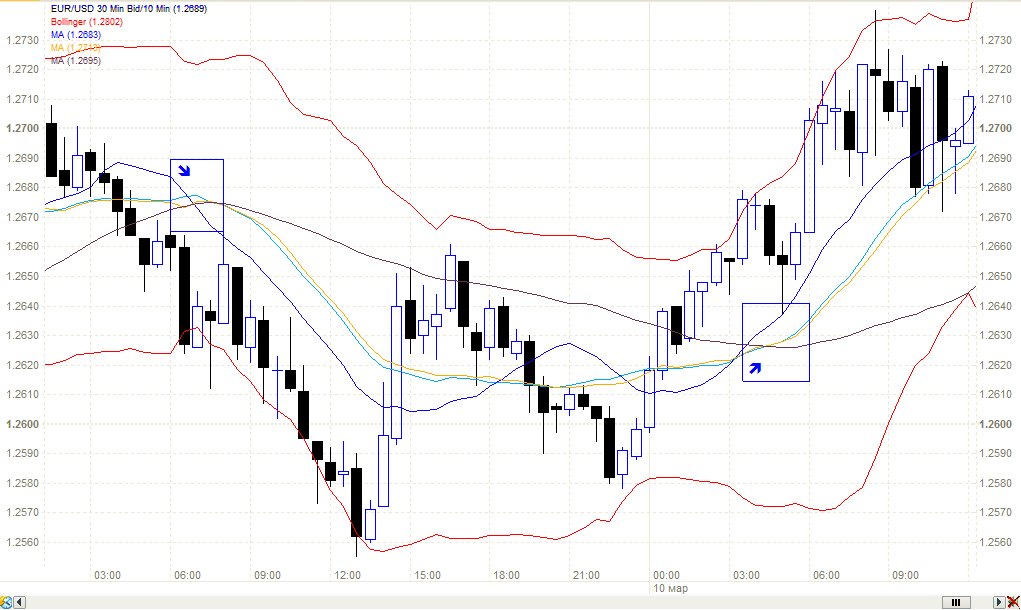
Even the best trading strategy cannot succeed without proper risk management. Protecting your capital should always be your highest priority.
- Never risk more than 1% to 2% of your account on a single trade.
- Always use a stop-loss.
- Never move your stop-loss farther away after entering.
- Calculate your position size before placing the trade.
- Avoid overtrading after winning or losing.
- Follow your trading plan consistently.
- Maintain a favorable Risk-to-Reward Ratio.
- Accept that losses are a normal part of trading.
- Avoid emotional decisions after consecutive losses.
- Do not increase your lot size to recover losses quickly.
- Trade only high-quality setups.
- Keep a detailed trading journal.
- Review your performance every week.
- Focus on long-term consistency instead of quick profits.
- Strong risk management is the foundation of successful trading.
13. Common SMT Divergence Trading Mistakes
Many traders learn the basics of SMT Divergence but still lose money because they ignore trading discipline. Understanding these common mistakes can help you improve your performance and protect your trading account.
- Trading SMT Divergence without confirmation.
- Ignoring the overall market trend.
- Comparing markets that are not strongly correlated.
- Entering trades too early.
- Trading only because a divergence appears.
- Ignoring market structure.
- Not using a proper stop-loss.
- Risking too much money on one trade.
- Trading during major news events without a plan.
- Chasing the market after missing an entry.
- Taking every divergence as a trading signal.
- Ignoring higher timeframe analysis.
- Letting emotions control trading decisions.
- Failing to keep a trading journal.
- Expecting every SMT Divergence setup to become a winning trade.
14. Professional Tips to Improve SMT Divergence Accuracy
Professional traders understand that SMT Divergence works best when combined with other Smart Money Concepts. Following these tips can improve your consistency and confidence.
- Always begin your analysis on the Daily or 4-Hour chart.
- Trade in the direction of the higher timeframe trend.
- Use Break of Structure (BOS) as confirmation.
- Wait for a Change of Character (CHOCH) before entering.
- Combine SMT Divergence with Order Blocks.
- Look for Fair Value Gaps (FVGs) to improve entries.
- Focus on major liquidity zones.
- Be patient and avoid forcing trades.
- Use a fixed Risk-to-Reward Ratio.
- Trade only during active market sessions.
- Record screenshots of every trade.
- Review winning and losing trades regularly.
- Keep learning through chart replay and backtesting.
- Stay disciplined even after several winning trades.
- Remember that consistency is more important than finding the perfect strategy.
Conclusion
The SMT Divergence Trading Strategy is a powerful method for identifying potential market reversals by comparing the price movements of two correlated markets. It helps traders understand when Smart Money may be entering or leaving the market, making it a valuable confirmation tool rather than a standalone strategy.
Success with SMT Divergence comes from combining it with market structure, Order Blocks, Fair Value Gaps, and strong risk management. Waiting for confirmation before entering a trade greatly improves the quality of your setups and reduces unnecessary losses.
Like every trading strategy, SMT Divergence requires practice. Spend time studying historical charts, backtesting your ideas, and maintaining a trading journal. With patience, discipline, and continuous learning, you can use SMT Divergence to make more informed trading decisions and improve your long-term consistency in the financial markets.
Frequently Asked Questions (FAQs)
1. What is SMT Divergence in trading?
SMT Divergence is a Smart Money Concept that compares two correlated markets to identify hidden market weakness or strength. It helps traders spot potential trend reversals and high-probability trading opportunities.
2. Which markets are best for SMT Divergence?
SMT Divergence works best in highly correlated markets such as EUR/USD and GBP/USD, NASDAQ and S&P 500, Gold and the US Dollar Index (DXY), and other liquid financial markets.
3. Can beginners use SMT Divergence?
Yes. Beginners can learn SMT Divergence by first understanding market structure, practicing on demo accounts, and reviewing historical charts before trading with real money.
4. Which timeframe is best for SMT Divergence?
Most professional traders prefer the 1-Hour (H1), 4-Hour (H4), and Daily (D1) charts because they generally provide stronger and more reliable divergence signals than very low timeframes.
5. Is SMT Divergence enough to enter a trade?
No. SMT Divergence should not be used alone. It is most effective when combined with Break of Structure (BOS), Change of Character (CHOCH), Order Blocks, Fair Value Gaps (FVGs), and proper risk management for higher-probability trade setups.

Pingback: Best ICT Gold Trading Guide (XAU/USD)
Thank you for reading! 😊 We’re happy you enjoyed the article. The Best ICT Strategy for Gold Trading (XAU/USD) helps traders understand market structure, liquidity, order blocks, and fair value gaps to make more informed trading decisions. With patience, proper risk management, and consistent practice, traders can improve their confidence and performance. If you have any questions, feel free to leave a comment. Happy trading! 📈
WhatsApp: +92 341 3111134