“Small trading accounts can grow steadily with the right strategy, discipline, and risk management.”
Many beginners believe they need thousands of dollars to become successful in Forex trading. The truth is that many traders start with a small trading account and gradually increase their capital through smart decisions and consistent performance. A small account requires patience, proper planning, and a trading strategy that protects your money while giving you opportunities to earn steady profits.
If you are ready to improve your trading skills, now is the perfect time to learn a strategy that matches your account size. Instead of chasing quick profits or taking unnecessary risks, focus on building strong trading habits. The right approach can help you avoid common beginner mistakes and create a solid foundation for long-term success in the Forex market.
In this guide, you will learn the best Forex trading strategy for small accounts, why risk management is essential, how to choose the right currency pairs, the best timeframes, and practical techniques that can help you trade with greater confidence. Whether you are starting with $50, $100, $500, or $1,000, these strategies can help you make better trading decisions while protecting your trading capital.
1. Why Small Accounts Need a Different Forex Trading Strategy
- Small trading accounts require a different approach than large accounts.
- A trader with $100 cannot use the same position size as someone with $10,000.
- Capital protection should always be your first priority.
- Focus on steady account growth instead of trying to become rich quickly.
- A good strategy emphasizes low risk and high-probability trade setups.
- Trade only the best opportunities instead of entering every market move.
- Avoid overtrading, as it quickly reduces a small account.
- Use realistic profit targets that match your account size.
- Learn proper trade management before increasing your position size.
- Never risk more money than you can comfortably afford to lose.
- Build strong trading discipline by following a written plan.
- Keep your emotions under control during both winning and losing trades.
- Accept that losses are part of Forex trading and focus on long-term success.
- Stay patient because consistent trading produces better results over time.
- A well-managed small account can grow steadily with discipline and patience.
2. Set Realistic Goals Before You Place Your First Trade

- Do not expect to turn $100 into thousands of dollars within a few weeks.
- Set realistic trading goals based on your experience and account size.
- Focus on becoming a better trader, not just making money.
- Aim for consistent monthly returns instead of chasing huge profits.
- Understand that every successful trader experiences losing trades.
- Follow your trading strategy even after a loss.
- Create daily, weekly, and monthly trading goals.
- Keep a detailed trading journal for every trade.
- Review both winning and losing trades to improve your skills.
- Avoid comparing your results with traders on social media.
- Never increase your lot size because of excitement or frustration.
- Build confidence through consistent execution of your trading plan.
- Measure success by your discipline, not only by profits.
- Stay focused on long-term account growth.
- Remember that small, consistent gains can create significant growth over time.
3. Choose the Right Currency Pairs for Small Accounts
- Major currency pairs are the best choice for traders with small accounts.
- Pairs like EUR/USD, GBP/USD, USD/JPY, and AUD/USD usually have lower spreads.
- Lower spreads mean you pay less in trading costs, helping protect your account balance.
- Avoid highly volatile currency pairs if you are still a beginner.
- Focus on one or two pairs instead of watching many markets at the same time.
- Learn how your chosen pair behaves during different trading sessions.
- Trade pairs with high liquidity because they often provide smoother price movements.
- Check the economic calendar before opening any position to avoid unexpected news volatility.
- Stay away from exotic currency pairs because they usually have higher spreads and lower liquidity.
- Practice identifying market trends before placing trades.
- Use technical analysis together with price action for better trade entries.
- Understand the average daily movement of your preferred currency pair.
- Be patient and wait for high-quality trade setups instead of forcing trades.
- Consistency with a few currency pairs helps you gain experience much faster.
- Choosing the right Forex pairs improves your chances of long-term trading success.
4. Use Proper Risk Management on Every Trade
- Risk management is the most important part of every successful Forex strategy.
- Never risk more than 1% to 2% of your account on a single trade.
- Always use a Stop Loss to protect your trading capital.
- Calculate your position size before entering any trade.
- Never move your Stop Loss farther away because you hope the market will reverse.
- Aim for a Risk-to-Reward Ratio of at least 1:2 whenever possible.
- Protect your account before thinking about making profits.
- Accept small losses instead of allowing one bad trade to damage your account.
- Avoid using high leverage because it increases your trading risk.
- Keep enough free margin to avoid unnecessary margin calls.
- Follow the same risk management rules on every trade without exception.
- Do not revenge trade after a losing position.
- Control your emotions by trusting your trading plan.
- Remember that preserving your capital gives you more opportunities to trade tomorrow.
- Strong risk management allows even a small Forex account to grow steadily over time.
5. Trade with the Trend Instead of Against It
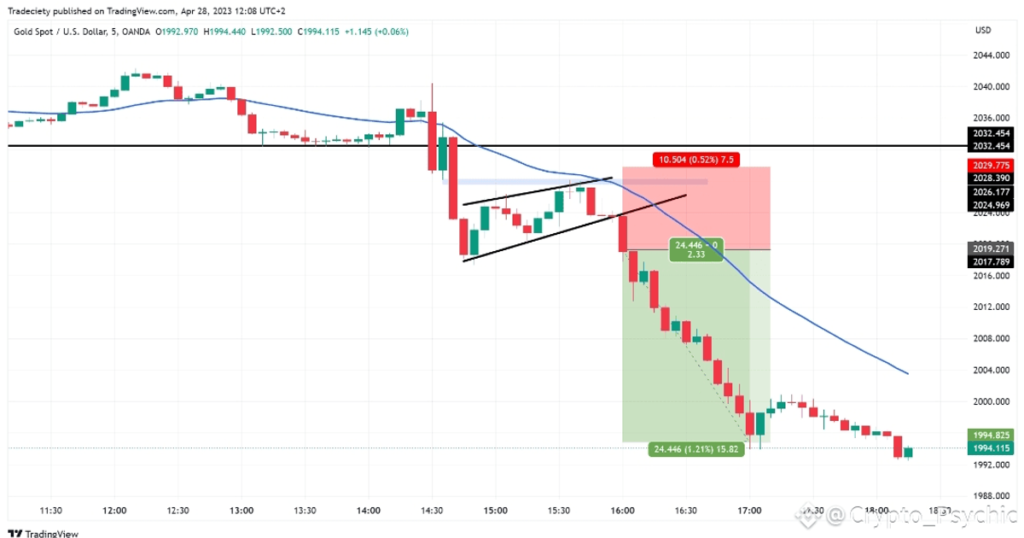
- Trend trading is one of the safest and most reliable strategies for small Forex accounts.
- A strong trend increases the probability of successful trades because price often continues in the same direction.
- Use the simple rule: “The trend is your friend.”
- Identify the trend by looking for higher highs and higher lows in an uptrend.
- In a downtrend, look for lower highs and lower lows before entering a sell trade.
- Avoid buying in a strong downtrend or selling in a strong uptrend.
- Use Moving Averages to help confirm the overall market direction.
- Wait for a pullback before entering instead of chasing the market.
- Combine trend analysis with support and resistance for stronger trade setups.
- Trade only when your entry matches the overall market structure.
- Stay patient and let the market come to your planned entry level.
- Ignore small market noise and focus on the bigger trend.
- Always place a Stop Loss below or above the recent swing point.
- Take profits according to your Risk-to-Reward Ratio instead of trading with emotions.
- Following the trend consistently can help protect and grow a small trading account over time.
6. Use a Simple Price Action Trading Strategy
- Price Action Trading helps traders make decisions based on price movement instead of complicated indicators.
- Learn to identify important support and resistance levels on the chart.
- Watch for bullish and bearish candlestick patterns before entering a trade.
- A Pin Bar can signal a possible market reversal.
- An Engulfing Candle often confirms buying or selling pressure.
- Wait for the candle to close before making a trading decision.
- Avoid entering trades based on incomplete candlesticks.
- Use market structure to confirm the direction of the trade.
- Combine Price Action with trend analysis for better accuracy.
- Trade only when multiple signals support your trading idea.
- Keep your charts clean by avoiding too many indicators.
- Focus on understanding how buyers and sellers control the market.
- Practice identifying high-probability setups on historical charts.
- Record every Price Action trade in your trading journal for future improvement.
- A simple Price Action strategy is easier to follow and works well for traders with small Forex accounts.
7. Choose the Best Timeframes for Small Account Trading
- Choosing the right timeframe can improve your trading results and reduce unnecessary stress.
- Beginners should focus on the H1 (1-Hour) and H4 (4-Hour) charts because they provide clearer market trends.
- The Daily timeframe is also useful for identifying the overall market direction.
- Avoid trading only on the 1-Minute or 5-Minute charts if you are new to Forex.
- Lower timeframes often contain more market noise and false signals.
- Use the Daily chart to identify the trend before looking for entries on the H1 chart.
- Confirm your trade setup using multiple timeframe analysis.
- Trade only when the higher timeframe and lower timeframe support the same direction.
- Be patient and wait for the market to reach important support or resistance levels.
- Do not switch between different timeframes without a clear reason.
- Follow the same timeframe consistently to build experience and confidence.
- Keep your trading routine simple by focusing on one or two timeframes.
- Use Price Action and market structure to confirm your entries.
- A consistent timeframe helps you make better trading decisions and avoid confusion.
- Selecting the right Forex timeframe increases the chances of long-term success with a small trading account.
8. Control Your Emotions While Trading
- Emotional control is one of the most important skills in Forex trading.
- Never let fear stop you from following a valid trading setup.
- Avoid making decisions based on greed after a few winning trades.
- Accept that every trader experiences losing trades from time to time.
- Do not take revenge trades after a loss to recover money quickly.
- Follow your trading plan even when the market becomes unpredictable.
- Take a short break if you feel stressed or frustrated during trading.
- Stay patient and wait for high-quality trade setups instead of forcing trades.
- Avoid overtrading because it increases both emotional pressure and trading costs.
- Focus on long-term consistency instead of daily profits.
- Keep a trading journal to understand your emotional strengths and weaknesses.
- Review your mistakes regularly and learn from them instead of repeating them.
- Trust your risk management rules and avoid changing them during a trade.
- Remember that discipline is more valuable than trying to win every trade.
- Strong emotional discipline helps traders protect and steadily grow small Forex accounts over time.
9. Keep a Trading Journal to Improve Every Trade
- A trading journal helps you become a more disciplined and consistent Forex trader.
- Record the currency pair, entry price, exit price, and trade direction after every trade.
- Write down the reason why you entered the trade.
- Save a chart screenshot before and after each completed trade.
- Record your Stop Loss and Take Profit levels for future review.
- Note whether the trade followed your trading strategy or was based on emotion.
- Track your Risk-to-Reward Ratio for every position.
- Review your winning trades to understand what worked well.
- Study your losing trades to identify mistakes and avoid repeating them.
- Monitor your win rate and overall trading performance each month.
- Record your emotions before, during, and after every trade.
- Use your journal to improve your entry and exit timing.
- A trading journal helps you stay focused on continuous improvement instead of quick profits.
- Consistently reviewing your journal builds confidence and strengthens your trading skills.
- A detailed Forex trading journal is one of the most valuable tools for growing a small trading account.
10. Avoid Common Mistakes That Destroy Small Accounts
- Overtrading is one of the biggest reasons small Forex accounts fail.
- Never risk too much money on a single trade.
- Avoid trading without a clear trading plan.
- Do not remove your Stop Loss because you hope the market will reverse.
- Stay away from high leverage if you are still learning.
- Never chase the market after missing a trading opportunity.
- Avoid opening multiple trades on the same currency pair without a valid reason.
- Do not rely only on indicators without understanding price action.
- Ignore social media tips that promise guaranteed profits.
- Avoid emotional decisions caused by fear, greed, or frustration.
- Never increase your lot size after a losing trade to recover losses quickly.
- Trade only when your strategy provides a high-probability setup.
- Be patient and accept that not every day offers a good trading opportunity.
- Focus on protecting your trading capital before thinking about profits.
- Avoiding these common mistakes can significantly increase your chances of long-term Forex trading success with a small account.
11. Use a Risk-to-Reward Ratio That Supports Long-Term Growth
- A good Risk-to-Reward Ratio helps you stay profitable even if you do not win every trade.
- Many successful traders use a minimum 1:2 Risk-to-Reward Ratio.
- This means risking $10 to potentially earn $20.
- A higher reward compared to your risk improves long-term trading results.
- Always calculate your risk and reward before opening a trade.
- Avoid taking trades where the potential profit is smaller than the possible loss.
- Place your Take Profit at a logical level based on market structure.
- Set your Stop Loss where your trading idea becomes invalid.
- Never move your Take Profit because of greed.
- Stay disciplined and allow your trading plan to work.
- Combine a good Risk-to-Reward Ratio with proper risk management.
- Even with a 50% win rate, you can still become profitable by maintaining a positive Risk-to-Reward Ratio.
- Record your Risk-to-Reward Ratio in your trading journal for every trade.
- Consistency is more important than looking for one big winning trade.
- Using the right Risk-to-Reward Ratio helps a small Forex account grow steadily over time.
12. Stay Consistent and Focus on Long-Term Success
- Consistency is the key to becoming a successful Forex trader.
- Follow the same trading strategy every time you enter the market.
- Avoid changing your strategy after losing a trade.
- Remember that losses are a normal part of every trading journey.
- Focus on improving your trading skills instead of chasing quick profits.
- Continue learning about technical analysis, price action, and market structure.
- Review your trading performance at the end of every week.
- Set realistic goals and celebrate small improvements.
- Stay patient because growing a small account takes time.
- Never stop practicing and refining your trading plan.
- Learn from every mistake and use it as an opportunity to improve.
- Protect your trading capital with strong risk management.
- Keep your emotions under control during both winning and losing periods.
- Build confidence through discipline, patience, and continuous learning.
- With consistency, smart risk management, and the right Forex trading strategy, even a small trading account can achieve steady long-term growth.
13. Build a Daily Forex Trading Routine
- A daily trading routine helps you stay organized and make better trading decisions.
- Start your day by checking the economic calendar for important news events.
- Review the overall market trend before looking for trade opportunities.
- Mark important support and resistance levels on your charts.
- Decide which currency pairs you will trade before the session begins.
- Wait patiently for your strategy to give a valid trading signal.
- Never enter a trade because of boredom or excitement.
- Check your risk-to-reward ratio before placing every order.
- Set your Stop Loss and Take Profit immediately after entering a trade.
- Avoid making changes to your trade unless your trading plan allows it.
- Review all completed trades at the end of the day.
- Record your results in your trading journal.
- Identify both your strengths and areas that need improvement.
- Keep learning by studying the market every day.
- A consistent Forex trading routine improves discipline and helps small accounts grow steadily.
14. Best Tools and Resources for Small Forex Traders
- Use a reliable Forex trading platform such as MetaTrader 4 (MT4) or MetaTrader 5 (MT5).
- Follow an accurate economic calendar to stay informed about high-impact news.
- Use a position size calculator to manage risk correctly.
- Keep a pip calculator to calculate potential profits and losses.
- Use a risk-to-reward calculator before entering every trade.
- Study charts with clean and simple technical analysis tools.
- Use TradingView for chart analysis and market observations.
- Save screenshots of your trades for future review.
- Read trusted Forex education articles to improve your knowledge.
- Watch educational videos from experienced traders instead of chasing trading signals.
- Practice your strategy on a demo account before using real money.
- Use a notebook or digital journal to track every trade.
- Avoid buying expensive tools that promise guaranteed profits.
- Focus on mastering a few useful tools instead of using too many indicators.
- The right Forex trading tools help traders make smarter decisions while protecting a small trading account.
15. The Best Forex Trading Strategy for Small Accounts
- The best strategy for small Forex accounts is based on trend trading, price action, and strict risk management.
- First, identify the overall trend using the Daily or H4 timeframe.
- Look for higher highs and higher lows in an uptrend.
- Look for lower highs and lower lows in a downtrend.
- Wait for the price to pull back to an important support or resistance level.
- Confirm the setup with a clear Price Action signal such as a Pin Bar or Engulfing Candle.
- Enter the trade only when the setup matches your trading plan.
- Place your Stop Loss beyond the recent swing high or swing low.
- Use a 1:2 or higher Risk-to-Reward Ratio whenever possible.
- Risk only 1% of your account on each trade.
- Avoid trading during major news events if volatility is too high.
- Do not open multiple trades at the same time without a valid reason.
- Be patient and wait for high-probability setups.
- Record every trade in your trading journal and review your results regularly.
- This simple combination of trend trading, price action, and risk management is one of the most effective approaches for growing a small Forex trading account over time.
Conclusion
The best Forex trading strategy for small accounts is not about making huge profits quickly. It is about protecting your capital, trading with discipline, and growing your account steadily over time. By focusing on trend trading, price action, proper risk management, and a positive Risk-to-Reward Ratio, beginners can avoid many common mistakes that destroy small accounts.
Success in Forex trading comes from consistency, patience, and continuous improvement. Start with realistic goals, risk only a small percentage of your account on each trade, and keep a detailed trading journal. If you follow a clear trading plan and stay disciplined, even a small Forex account can become a strong foundation for long-term trading success.
Frequently Asked Questions
1. Can I start Forex trading with a small account?
Yes, many traders start with $50, $100, or $500. The key is to use proper risk management and avoid risking too much on one trade.
2. What is the safest Forex strategy for beginners?
A simple trend trading and price action strategy with strict Stop Loss rules is one of the safest approaches for beginners.
3. How much should I risk per trade?
Most professional traders recommend risking only 1% to 2% of your account balance on a single trade.
4. Which timeframe is best for small accounts?
The H1 and H4 timeframes are often suitable because they provide clearer trends and reduce market noise.
5. Can a small Forex account grow over time?
Yes. With discipline, consistent execution, and strong risk management, a small account can grow steadily over the long term.