“Master Liquidity Sweeps to recognize smarter trade entries and avoid common market traps with greater confidence.”
The Liquidity Sweep Trading Strategy is one of the most effective ways to understand how the financial markets really move. Many new traders believe that price moves randomly, but professional traders know that the market often targets areas where many stop-loss orders are placed. These movements are called liquidity sweeps. Learning how liquidity sweeps work can help you avoid false breakouts, improve your entries, and trade with more confidence.
If you want to become a more consistent trader, now is the perfect time to learn this strategy. Liquidity sweeps are widely used in Forex, Gold (XAU/USD), Indices, Crypto, and other financial markets. By understanding how institutions move the market, you can stop following the crowd and start making decisions based on market logic instead of emotions.
In this guide, you will learn what a Liquidity Sweep is, why it happens, how to identify it on a chart, the psychology behind these price movements, and how to use liquidity sweeps together with market structure, order blocks, and risk management. Everything is explained in easy English, making it suitable for both beginners and experienced traders.
1.What Is a Liquidity Sweep?
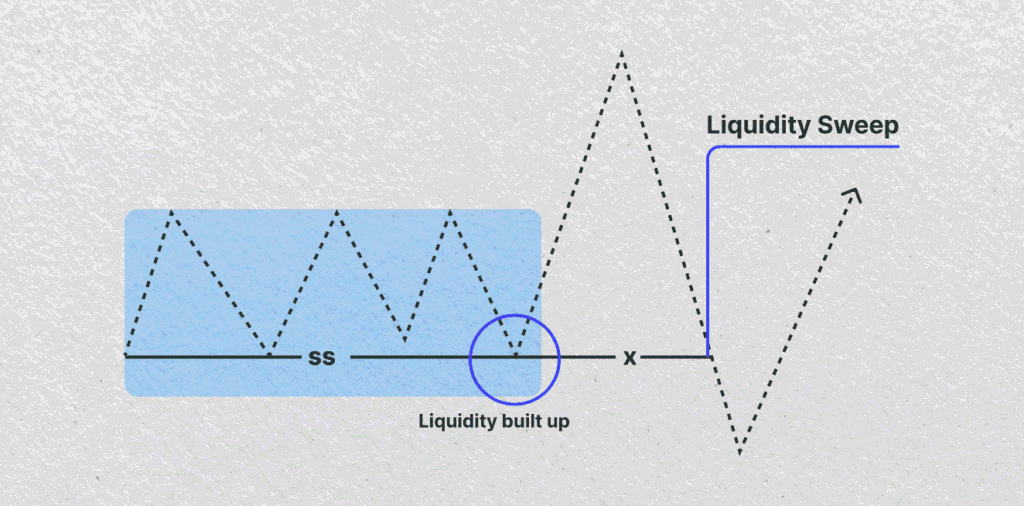
A Liquidity Sweep happens when the market briefly moves above a previous high or below a previous low to trigger stop-loss orders and pending orders before reversing direction. This move allows large institutions to collect the liquidity they need to enter or exit large positions.
- Liquidity means areas where many buy or sell orders are waiting.
- Banks and institutions need large amounts of liquidity to execute their trades.
- Retail traders usually place stop-losses above highs and below lows.
- Institutions often target these stop-loss areas.
- The market briefly breaks support or resistance.
- Many traders think a breakout has started.
- They enter trades too late.
- The price suddenly reverses.
- Breakout traders become trapped.
- Institutions enter trades after collecting liquidity.
- The reversal often creates strong price movement.
- Liquidity sweeps happen in every financial market.
- They appear on all trading timeframes.
- Understanding liquidity helps improve trade accuracy.
- Learning this concept gives traders a better view of smart money behavior.
2.Why Does the Market Create Liquidity Sweeps?
Many traders think the market is manipulated against them. In reality, institutions simply need enough buyers and sellers to complete their large transactions.
- Large institutions cannot place huge orders instantly.
- They require enough opposite orders to fill positions.
- Liquidity pools provide those orders.
- Stop-loss orders become available liquidity.
- Previous highs attract buyers.
- Previous lows attract sellers.
- Institutions know where retail traders place stops.
- Price moves toward these areas.
- Stop-loss orders are triggered automatically.
- Liquidity becomes available for institutional trades.
- Institutions then enter large positions.
- Price often changes direction afterward.
- This creates what traders call a Liquidity Sweep.
- Understanding this process reduces emotional trading.
- It also helps traders avoid chasing false breakouts.
3.How Liquidity Sweeps Work in Trading
A liquidity sweep follows a logical sequence instead of happening randomly.
- Price creates a clear support or resistance level.
- Many traders notice the same level.
- Retail traders place stop-losses nearby.
- Buy-stop and sell-stop orders increase around these areas.
- Institutions recognize this concentration of liquidity.
- Price starts moving toward the liquidity zone.
- The market breaks above or below the level.
- Traders believe the breakout is genuine.
- More traders enter in the breakout direction.
- Stop-losses are triggered together.
- Institutions collect the available liquidity.
- Strong buying or selling pressure appears.
- Price reverses sharply.
- Smart traders wait for confirmation before entering.
- Patience often produces higher-probability trades.
4.Types of Liquidity Sweeps
Not every liquidity sweep looks the same. Understanding the different types helps traders identify stronger trading opportunities.
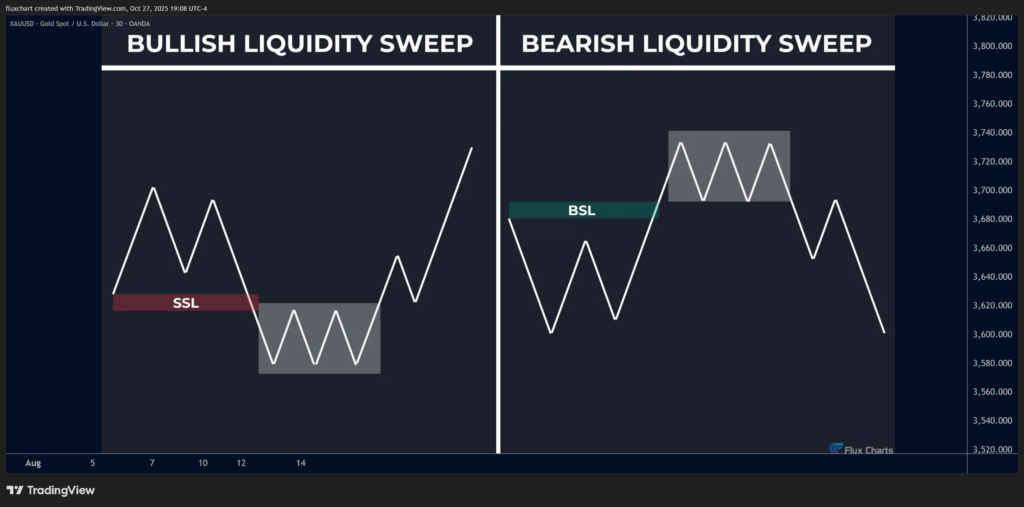
Buy-Side Liquidity Sweep
- Price moves above previous highs.
- Buy-stop orders are triggered.
- Breakout buyers enter the market.
- Institutions sell into this buying pressure.
- Price quickly reverses downward.
- Long traders become trapped.
- A bearish move often follows.
- Confirmation improves trade quality.
- Market structure may shift lower.
- Volume sometimes increases during the sweep.
- Higher timeframes often provide stronger signals.
- Resistance levels strengthen after rejection.
- Patience reduces false entries.
- Risk management remains essential.
- This setup is common before major declines.
Sell-Side Liquidity Sweep
- Price drops below previous lows.
- Sell-stop orders are triggered.
- Retail traders panic and sell.
- Institutions buy at lower prices.
- Price quickly reverses upward.
- Short sellers become trapped.
- A bullish trend may begin.
- Strong demand enters the market.
- Market structure shifts higher.
- Confirmation increases success rates.
- Higher timeframe support improves probability.
- Rejection candles often appear.
- Smart traders wait for confirmation.
- Proper stop placement protects capital.
- This pattern commonly appears before strong rallies.
5.How to Identify a Liquidity Sweep on a Chart
Identifying a Liquidity Sweep is an important skill because it helps traders avoid false breakouts and enter trades with better timing.
- Look for a clear previous high or previous low on the chart.
- Mark important support and resistance levels.
- Watch where many traders are likely placing stop-loss orders.
- Wait for the market to move beyond the previous high or low.
- Notice if the breakout happens with a strong price spike.
- Avoid entering immediately after the breakout.
- Watch for a quick price rejection back inside the range.
- Look for strong rejection candles such as pin bars or engulfing candles.
- Confirm the move with a Market Structure Shift (MSS) or Break of Structure (BOS).
- Check if the sweep occurs near an Order Block or Fair Value Gap (FVG).
- Higher timeframe sweeps usually provide stronger trading opportunities.
- Wait for a confirmation candle before opening a trade.
- Place your stop-loss beyond the sweep point.
- Always follow proper risk management before entering.
- Practice identifying liquidity sweeps on historical charts to improve your trading skills.
6.Liquidity Sweep vs Liquidity Grab
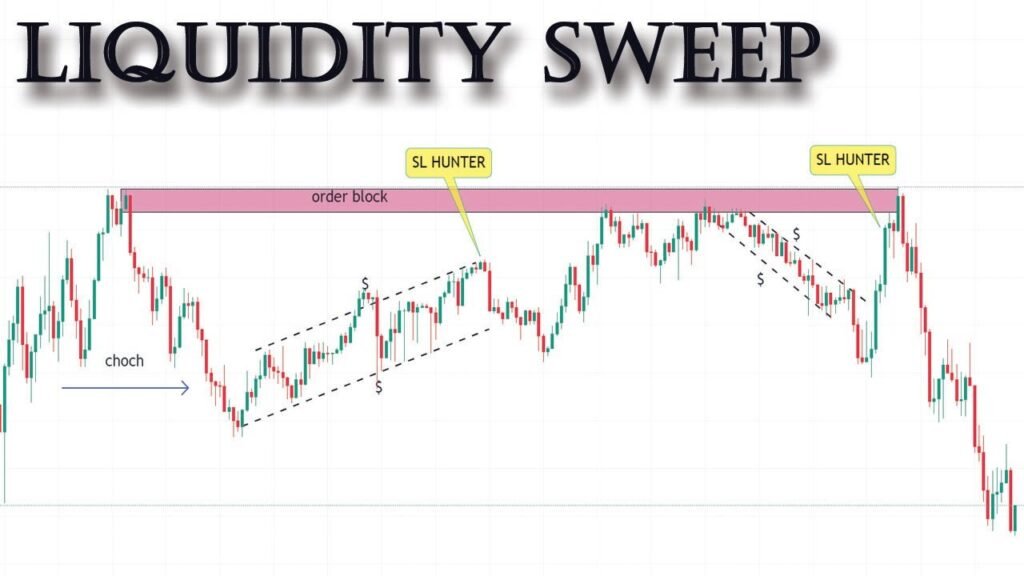
Many traders confuse a Liquidity Sweep with a Liquidity Grab, but they are slightly different. Understanding the difference helps traders make better decisions.
- A Liquidity Grab is usually a quick move beyond a key level.
- A Liquidity Sweep often covers a larger liquidity area.
- Both target stop-loss orders placed by retail traders.
- Liquidity grabs happen very quickly.
- Liquidity sweeps may take more time before reversing.
- A grab often removes liquidity from one specific level.
- A sweep may clear multiple highs or lows before changing direction.
- Both create false breakout opportunities.
- Both are commonly used by institutional traders.
- A liquidity sweep usually shows a stronger market intention.
- Confirmation is required before trading either setup.
- Combine both concepts with market structure for higher accuracy.
- Never assume every breakout is a liquidity event.
- Patience helps traders avoid unnecessary losses.
- Understanding both concepts improves trade confidence and decision-making.
7.Best Timeframes for Liquidity Sweep Trading
Liquidity sweeps can appear on every timeframe, but some charts provide more reliable trading opportunities than others.
- The Daily timeframe shows the overall market direction.
- The 4-Hour (H4) chart helps identify major liquidity zones.
- The 1-Hour (H1) timeframe is excellent for trade planning.
- The 15-Minute (M15) chart provides detailed entry opportunities.
- The 5-Minute (M5) timeframe is useful for day traders.
- The 1-Minute (M1) chart is mainly for experienced scalpers.
- Always start your analysis from the higher timeframe.
- Mark important highs and lows before moving to lower timeframes.
- Use lower timeframes only for precise entries.
- Avoid trading against the higher timeframe trend.
- Major trading sessions often produce stronger liquidity sweeps.
- The London Session frequently creates high-quality setups.
- The New York Session also provides excellent liquidity movements.
- Combine multiple timeframes for better confirmation.
- Following a multi-timeframe analysis increases trading accuracy and confidence.
8.Liquidity Sweep Trading Rules for Beginners
Following simple trading rules helps beginners stay disciplined and avoid emotional decisions.
- Always trade with a clear trading plan.
- Identify important support and resistance levels first.
- Wait for a confirmed Liquidity Sweep before entering.
- Never chase a breakout without confirmation.
- Use Market Structure to confirm the market direction.
- Look for Order Blocks or Fair Value Gaps (FVGs) near the sweep.
- Enter trades only after a clear rejection candle appears.
- Place your stop-loss beyond the liquidity sweep.
- Set a realistic risk-to-reward ratio, such as 1:2 or 1:3.
- Risk only 1–2% of your trading account on each trade.
- Avoid overtrading after winning or losing.
- Keep a trading journal to review every setup.
- Stay patient and wait for high-probability opportunities.
- Continue practicing on a demo account before trading live.
- Focus on consistency, discipline, and proper risk management instead of trying to win every trade.
9.How to Trade a Liquidity Sweep Step by Step
Trading a Liquidity Sweep is not about entering a trade as soon as price breaks a level. The goal is to wait until smart money has collected liquidity and the market shows signs of reversing. Following a step-by-step process helps traders make better decisions and avoid emotional trading.
- Start by identifying the overall market trend on the higher timeframe.
- Mark important support and resistance levels on the chart.
- Identify previous swing highs and swing lows where liquidity is likely resting.
- Wait patiently for price to move toward one of these liquidity areas.
- Watch for prices to break above a high or below a low.
- Do not enter the trade immediately after the breakout.
- Look for a strong rejection candle showing buyers or sellers are losing control.
- Confirm a Market Structure Shift (MSS) or Break of Structure (BOS) after the sweep.
- Check for an Order Block near the reversal zone.
- Look for a nearby Fair Value Gap (FVG) that supports the trade idea.
- Enter the trade only after receiving multiple confirmations.
- Place your stop-loss beyond the liquidity sweep level.
- Set your take-profit at the next important support or resistance area.
- Manage the trade using proper risk management and avoid changing your plan.
- Review every completed trade to improve your understanding and build consistency.
10.Using Liquidity Sweeps with Market Structure
Combining Liquidity Sweeps with Market Structure gives traders stronger confirmation before entering a position. Market structure shows the direction of the trend, while liquidity sweeps reveal where institutions may enter the market.
- Begin by identifying whether the market is bullish or bearish.
- Mark recent higher highs, higher lows, lower highs, and lower lows.
- Watch for price approaching a major liquidity level.
- Wait for the liquidity sweep to occur.
- Do not trade until the market confirms a reversal.
- Look for a Break of Structure (BOS) after the sweep.
- A Change of Character (CHoCH) can also signal a possible trend reversal.
- Higher timeframe market structure provides stronger confirmation.
- Lower timeframe entries improve the risk-to-reward ratio.
- Avoid trading against the dominant market trend.
- Use support and resistance to strengthen your analysis.
- Confirm the setup with strong price action candles.
- Enter only after the market clearly changes direction.
- Protect your trade with a logical stop-loss placement.
- Combining Liquidity Sweeps with Market Structure increases the probability of successful trades.
11.Using Liquidity Sweeps with Order Blocks
An Order Block represents an area where institutions previously placed large buy or sell orders. When a liquidity sweep occurs near an order block, it often creates a high-probability trading opportunity.
- Identify a valid Bullish or Bearish Order Block.
- Mark the order block clearly on your chart.
- Wait for the price to return to that area.
- Observe whether a Liquidity Sweep happens first.
- A sweep above previous highs can lead to a bearish setup.
- A sweep below previous lows can lead to a bullish setup.
- Watch for strong rejection from the order block.
- Confirm the reversal with Market Structure.
- Look for increased momentum after the rejection.
- Enter the trade after confirmation instead of guessing.
- Place the stop-loss beyond the order block and sweep level.
- Aim for the next significant liquidity zone as your target.
- Never trade every order block without confirmation.
- Practice identifying quality setups on historical charts.
- Combining Order Blocks with Liquidity Sweeps helps traders align with institutional trading activity.
12.Using Liquidity Sweeps with Fair Value Gaps (FVGs)
A Fair Value Gap (FVG) is an area where price moves so quickly that it leaves an imbalance between buyers and sellers. When a Liquidity Sweep happens before price returns to an FVG, it often creates a strong trading setup.
- Identify a clear Fair Value Gap (FVG) on the chart.
- Confirm that the FVG is in the direction of the overall trend.
- Wait for the price to move toward a liquidity area.
- Allow the market to complete the Liquidity Sweep first.
- Watch for price to return toward the FVG.
- Look for rejection inside the imbalance zone.
- Confirm the setup using Market Structure.
- Check if an Order Block is also nearby.
- Use strong candlestick confirmation before entering.
- Place your stop-loss beyond the liquidity sweep.
- Set your take-profit at the next key support or resistance level.
- Avoid trading weak or poorly formed FVGs.
- Use higher timeframe FVGs for stronger setups.
- Always follow your risk management plan.
- Combining Liquidity Sweeps, Fair Value Gaps, and Order Blocks creates a powerful Smart Money Trading Strategy with higher-probability trade entries.
13.Common Mistakes to Avoid When Trading Liquidity Sweeps
Even the best Liquidity Sweep Trading Strategy can fail if traders make common mistakes. Most losses happen because of poor discipline, emotional decisions, or ignoring market confirmation. Avoiding these mistakes can greatly improve your trading performance.
- Entering a trade immediately after a breakout without waiting for confirmation.
- Ignoring the overall market trend.
- Trading every liquidity sweep without analyzing the context.
- Forgetting to mark important support and resistance levels.
- Placing stop-losses too close to the entry.
- Risking too much money on a single trade.
- Ignoring market structure before entering.
- Trading during high-impact news without a clear plan.
- Chasing the market after missing an entry.
- Overtrading because of emotions or impatience.
- Ignoring Order Blocks and Fair Value Gaps (FVGs).
- Using only one timeframe for analysis.
- Failing to keep a trading journal.
- Expecting every liquidity sweep to produce a winning trade.
- Forgetting that discipline, patience, and risk management are the keys to long-term success.
14.Risk Management for Liquidity Sweep Trading
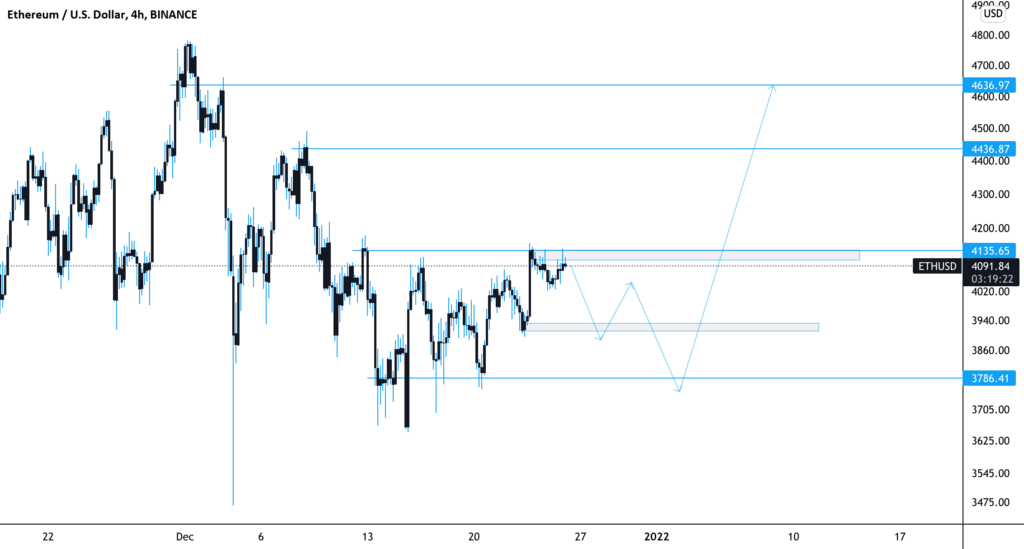
A profitable trading strategy is useless without proper risk management. Successful traders focus on protecting their capital first because preserving money allows them to stay in the market long enough to benefit from high-quality opportunities.
- Risk only 1% to 2% of your account on each trade.
- Always use a stop-loss.
- Place the stop-loss beyond the liquidity sweep.
- Never move your stop-loss because of emotions.
- Aim for a minimum Risk-to-Reward Ratio of 1:2.
- Trade only high-probability setups.
- Avoid opening multiple trades on the same idea.
- Reduce position size during high market volatility.
- Never trade with money you cannot afford to lose.
- Follow your trading plan every day.
- Do not increase lot size after a losing trade.
- Secure partial profits when appropriate.
- Review your winning and losing trades regularly.
- Focus on consistency instead of quick profits.
- Strong risk management is the foundation of every successful trader.
15.Final Tips for Becoming a Better Liquidity Sweep Trader
Mastering Liquidity Sweeps takes time, patience, and practice. The goal is not to predict every market move but to recognize high-probability opportunities and execute them with discipline.
- Learn one strategy before adding another.
- Practice on a demo account before trading live.
- Study historical charts every week.
- Focus on quality trades instead of quantity.
- Wait patiently for confirmation.
- Combine liquidity sweeps with Market Structure.
- Use Order Blocks for stronger trade entries.
- Confirm setups with Fair Value Gaps (FVGs).
- Keep improving your chart-reading skills.
- Control fear and greed during trading.
- Maintain a detailed trading journal.
- Accept that losses are part of trading.
- Continue learning and refining your strategy.
- Stay disciplined even after winning trades.
- Consistency, patience, and proper risk management will help you become a more confident and successful trader.
Conclusion
The Liquidity Sweep Trading Strategy is one of the most valuable concepts in Smart Money Trading. It helps traders understand why price often moves beyond important highs and lows before reversing. Instead of chasing breakouts, traders learn to identify areas where institutional traders are collecting liquidity. This knowledge allows for better trade entries, improved timing, and greater confidence in the market.
By combining Liquidity Sweeps with Market Structure, Order Blocks, Fair Value Gaps (FVGs), and proper risk management, traders can build a complete trading plan based on logic rather than emotions. Remember that no strategy guarantees a 100% win rate. The key to long-term success is staying disciplined, following your trading rules, protecting your capital, and continuing to learn from every trade. With patience and consistent practice, the Liquidity Sweep Trading Strategy can become a powerful part of your trading journey.
FAQs
1. What is a Liquidity Sweep in Trading?
A Liquidity Sweep is a market movement where price briefly moves above a previous high or below a previous low to trigger stop-loss orders before reversing direction.
2. Is the Liquidity Sweep Trading Strategy suitable for beginners?
Yes. Beginners can learn this strategy easily if they first understand market structure, risk management, and wait for proper confirmation before entering trades.
3. Which markets can I trade using Liquidity Sweeps?
You can use this strategy in Forex, Gold (XAU/USD), Indices, Stocks, Cryptocurrency, and other liquid financial markets.
4. Which timeframe is best for Liquidity Sweep Trading?
The Daily, 4-Hour, and 1-Hour charts are excellent for identifying liquidity zones, while the 15-Minute and 5-Minute charts are useful for precise trade entries.
5. Can I combine Liquidity Sweeps with ICT and Smart Money Concepts?
Yes. Liquidity Sweeps work very well with ICT Concepts, including Market Structure, Order Blocks, Fair Value Gaps (FVGs), and Change of Character (CHoCH) to improve trade accuracy.