“Mastering Order Blocks can help traders understand where smart money enters and exits the market.”
Order Block Trading is one of the most popular concepts used by modern traders to identify potential market reversals and continuation opportunities. It focuses on understanding how large institutions, banks, and professional traders place their orders. By learning how to identify Order Blocks, traders can improve their market timing and make more informed trading decisions.
If you want to improve your trading skills and gain a better understanding of price action, learning the Order Block Trading Strategy can be a valuable step. This strategy helps traders identify high-probability entry zones and build confidence in their trading decisions. Keep reading to learn how Order Blocks work and how they can be applied step by step.
In this guide, you will learn the complete Order Block Trading Strategy Step by Step, including the meaning of order blocks, how to identify them, entry and exit techniques, risk management rules, common mistakes, and practical examples. The information is written in simple English so both beginners and experienced traders can understand it easily.
1. What Is an Order Block?
- An Order Block is an area where large market participants place significant buy or sell orders.
- It often appears before a strong market movement.
- Traders use it to identify possible support and resistance zones.
- Order Blocks are associated with institutional trading activity.
- They help traders understand market intentions.
- A bullish order block signals potential buying interest.
- A bearish order block signals potential selling interest.
- Price often returns to these areas before continuing its trend.
- They are commonly used in Forex, Stocks, and Crypto markets.
- Order Blocks improve trade accuracy.
- They help reduce emotional trading decisions.
- Many smart money concepts include order blocks.
- Traders combine them with market structure.
- They provide logical entry locations.
- Understanding them is the foundation of this strategy.
2. Why Order Blocks Matter in Trading
- Order Blocks reveal important institutional activity.
- They help traders identify high-probability zones.
- Professional traders often use them for entries.
- They can improve risk-to-reward ratios.
- Order Blocks help traders avoid random entries.
- They highlight areas of market interest.
- Price frequently reacts around these zones.
- They support trend-following strategies.
- They assist with reversal trading.
- They can improve consistency.
- They provide clear stop-loss placement.
- They work across multiple timeframes.
- They help traders understand market behavior.
- They fit well with price action analysis.
- They offer structured trading opportunities.
3. Understanding Market Structure Before Using Order Blocks
- Market Structure is essential for identifying valid Order Blocks.
- Traders must understand higher highs and higher lows.
- Uptrends show bullish market conditions.
- Downtrends show bearish conditions.
- Breaks of structure indicate market shifts.
- Strong trends create quality order blocks.
- Market structure confirms trade direction.
- It reduces false signals.
- Trend analysis improves trade selection.
- Structure helps define entry areas.
- Institutional traders monitor structure closely.
- It supports risk management.
- It improves confidence in setups.
- Structure and order blocks work together.
- Successful trading begins with understanding market structure.
4. Types of Order Blocks
- There are Bullish and Bearish Order Blocks.
- Bullish Order Blocks suggest buying opportunities.
- Bearish Order Blocks suggest selling opportunities.
- Bullish blocks form before upward moves.
- Bearish blocks form before downward moves.
- Both types can appear on any timeframe.
- They should align with market direction.
- Strong momentum validates the block.
- Volume may support the setup.
- Traders wait for retests.
- Confirmation improves accuracy.
- Quality blocks create stronger reactions.
- They can act as support or resistance.
- Understanding both types is essential.
- Each type serves different market conditions.
5. How to Identify a Bullish Order Block
- Look for a strong bullish move.
- Identify the last bearish candle before the rally.
- Mark the candle range.
- Watch for a return to the zone.
- Confirm with market structure.
- Use higher timeframes for clarity.
- Look for liquidity sweeps.
- Wait for bullish confirmation.
- Avoid weak setups.
- Strong momentum is important.
- Use stop losses below the zone.
- Monitor price reaction carefully.
- Combine with support levels.
- Follow trading rules consistently.
- Practice identifying bullish blocks daily.
6. How to Identify a Bearish Order Block
- Look for a strong bearish movement.
- Find the last bullish candle before the drop.
- Mark the candle area.
- Wait for the price to revisit it.
- Confirm bearish structure.
- Watch for rejection signals.
- Use higher timeframe analysis.
- Avoid trading against trends.
- Look for liquidity grabs.
- Confirm with price action.
- Place stop losses above the zone.
- Monitor market sentiment.
- Follow risk management rules.
- Seek quality over quantity.
- Practice regularly for better accuracy.
7. Step-by-Step Order Block Trading Process
- Start with higher timeframe analysis.
- Determine market direction.
- Identify valid Order Blocks.
- Wait for price retracement.
- Watch for confirmation signals.
- Enter near the block.
- Set a logical stop loss.
- Define profit targets.
- Manage risk carefully.
- Avoid emotional decisions.
- Follow a trading plan.
- Track trade performance.
- Learn from mistakes.
- Stay disciplined.
- Repeat the process consistently.
8. Entry Rules for Order Block Trading
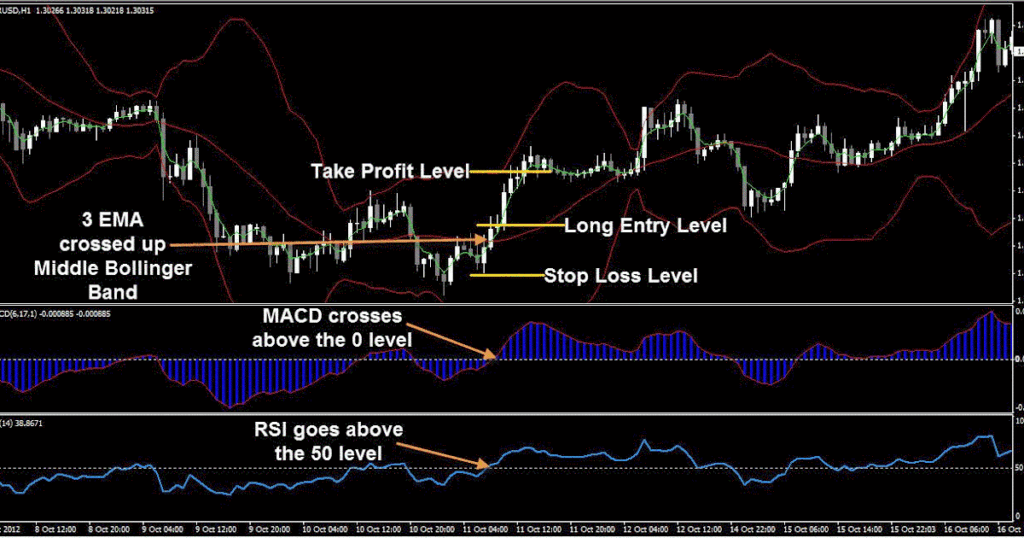
- Enter only after confirmation.
- Avoid chasing price.
- Use candlestick patterns.
- Watch for rejection wicks.
- Follow market structure.
- Align with trend direction.
- Use risk-reward calculations.
- Wait patiently.
- Confirm momentum.
- Avoid impulsive trades.
- Protect trading capital.
- Trade quality setups.
- Follow strict rules.
- Maintain discipline.
- Record all entries.
9. Stop Loss Placement in Order Block Trading
- Stop loss protects capital.
- Place it beyond the block.
- Avoid tight stop losses.
- Consider market volatility.
- Follow risk management principles.
- Use logical placement.
- Avoid emotional adjustments.
- Calculate position size.
- Protect account balance.
- Maintain consistency.
- Accept small losses.
- Focus on long-term success.
- Avoid overexposure.
- Review performance regularly.
- Risk management is essential.
10. Take Profit Strategies
- Define targets before entry.
- Use support and resistance levels.
- Follow market structure.
- Consider liquidity zones.
- Use multiple profit targets.
- Lock profits gradually.
- Maintain favorable risk-reward ratios.
- Avoid greed.
- Follow your plan.
- Let winners run when appropriate.
- Protect profits.
- Analyze market conditions.
- Stay flexible.
- Adjust when necessary.
- Consistency matters.
11. Combining Order Blocks with Liquidity
- Liquidity influences market movements.
- Institutions target liquidity areas.
- Liquidity sweeps create opportunities.
- Order Blocks often follow sweeps.
- Combining both improves accuracy.
- It reduces false signals.
- Helps identify reversals.
- Supports trade confirmation.
- Improves timing.
- Reveals market intentions.
- Enhances decision-making.
- Works in all markets.
- Supports smart money concepts.
- Increases confidence.
- Creates stronger setups.
12. Combining Order Blocks with Fair Value Gaps
- Fair Value Gaps show market imbalance.
- They complement Order Blocks.
- Combined zones create strong setups.
- Traders seek confluence.
- Improves entry precision.
- Enhances trade quality.
- Supports market analysis.
- Works with smart money strategies.
- Helps identify opportunities.
- Reduces uncertainty.
- Improves confidence.
- Supports trend continuation.
- Highlights institutional activity.
- Provides clear structure.
- Strengthens trading decisions.
13. Common Mistakes Traders Make
- Trading every Order Block.
- Ignoring market structure.
- Poor risk management.
- Entering without confirmation.
- Using large position sizes.
- Trading emotionally.
- Chasing the market.
- Ignoring higher timeframes.
- Overtrading.
- Moving stop losses.
- Lack of patience.
- Poor planning.
- Ignoring trade journals.
- Unrealistic expectations.
- Failing to learn from mistakes.
14. Best Markets for Order Block Trading
- Forex markets are popular.
- Stock markets provide opportunities.
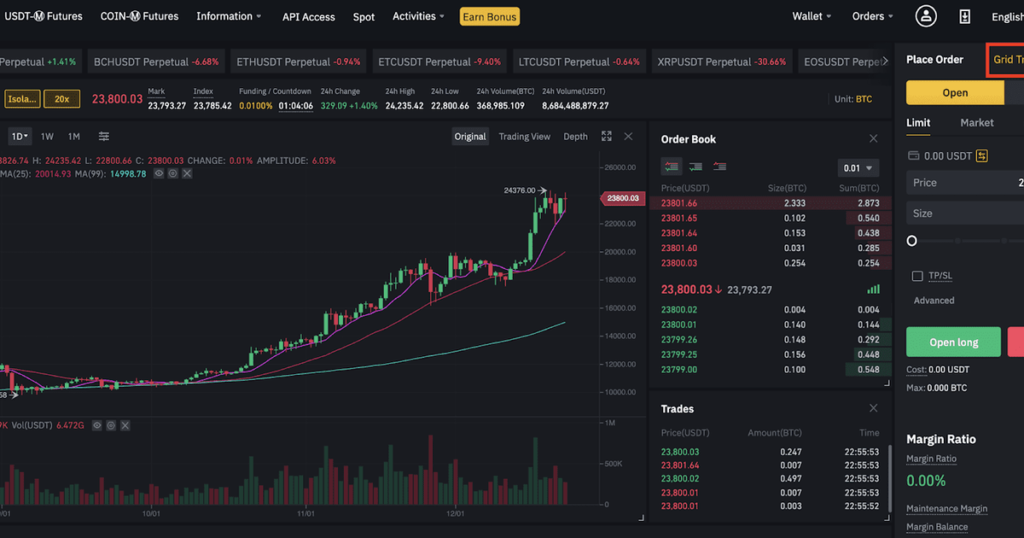
- Crypto markets offer volatility.
- Indices work well.
- Commodities can be traded.
- High liquidity is beneficial.
- Major currency pairs perform well.
- Strong trends improve results.
- Active sessions are important.
- Market conditions matter.
- Volume supports analysis.
- Choose familiar markets.
- Avoid random instruments.
- Focus on consistency.
- Practice across markets.
15. Building a Complete Order Block Trading Plan
- Create clear trading rules.
- Define entry conditions.
- Establish stop-loss rules.
- Set profit targets.
- Follow risk management.
- Track trading performance.
- Maintain a journal.
- Review trades regularly.
- Improve continuously.
- Stay disciplined.
- Avoid emotional decisions.
- Focus on consistency.
- Manage expectations.
- Develop patience.
- Follow the plan every day.
Conclusion
The Order Block Trading Strategy is a powerful approach that helps traders identify areas where institutional buying and selling activity may occur. By understanding market structure, identifying valid bullish and bearish order blocks, and applying proper risk management, traders can improve their decision-making process and avoid many common trading mistakes. Consistency, patience, and discipline are key factors when using this strategy.
FAQs
1. What is an Order Block in trading?
An Order Block is a price zone where large institutions are believed to place significant buy or sell orders before a strong market move.
2.Are Order Blocks suitable for beginners?
Yes, beginners can learn Order Blocks, especially when combined with basic market structure concepts and proper risk management.
3.Which timeframe is best for Order Block Trading?
Many traders use higher timeframes such as H4 and Daily to identify Order Blocks and lower timeframes for precise entries.
4.Do Order Blocks work in Forex and Crypto?
Yes, Order Blocks can be applied in Forex, Stocks, Crypto, Commodities, and Indices.
5.Is risk management important when trading Order Blocks?
Absolutely. Proper risk management helps protect capital and ensures long-term trading success.

Pingback: Master the ICT Silver Bullet Strategy in 2026
Thank you for your feedback! 😊 We’re glad you found the article useful. The ICT Silver Bullet Strategy can be highly effective when combined with proper market structure analysis, liquidity sweeps, and disciplined risk management. Remember, consistency comes from following your trading plan and waiting for high-probability setups. If you have any questions, feel free to ask. Happy trading! 📈
WhatsApp: +92 341 3111134