“A precise intraday trading method designed to capture high-probability market moves during key trading sessions.”
The ICT Silver Bullet Strategy has become one of the most talked-about concepts among modern traders. Developed from the teachings of Inner Circle Trader (ICT), this strategy focuses on identifying high-probability trading opportunities during specific time windows in the market. Traders use it to locate liquidity, market structure shifts, and fair value gaps that can lead to precise entries and exits.
If you want to improve your trading discipline and learn a structured way to trade, this guide is for you. Understanding the ICT Silver Bullet Strategy can help you avoid random trades and focus on setups that follow clear rules. Whether you are a beginner or an experienced trader, learning this strategy may improve your decision-making process.
In this complete 2026 guide, you will learn how the strategy works, the trading sessions involved, entry and exit rules, risk management techniques, common mistakes, and practical examples. The information is written in simple English so that every trader can understand and apply the concepts effectively.
1. What Is the ICT Silver Bullet Strategy?
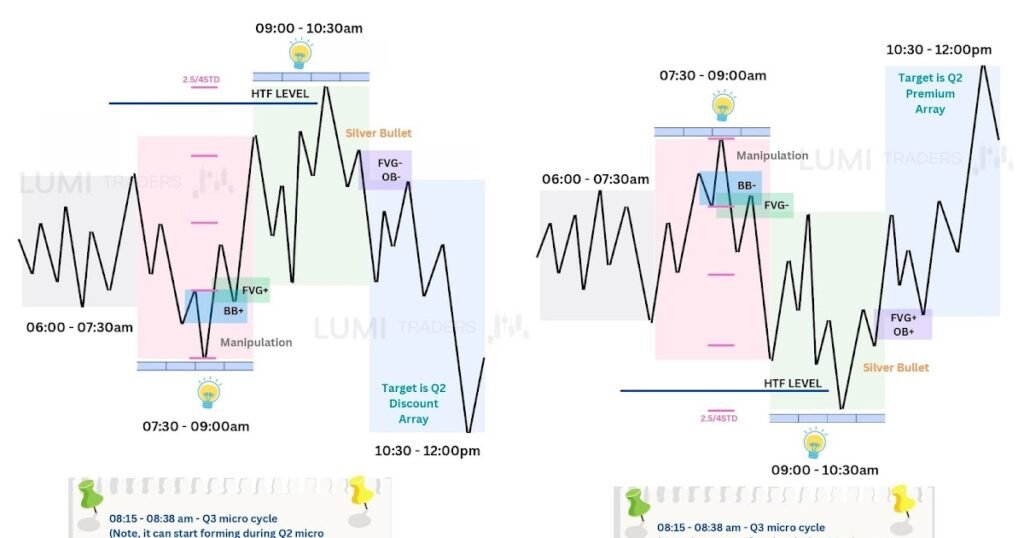
- Definition of the strategy.
- Origin of the concept.
- Why do traders use it?
- Main objective of the method.
- Relationship with ICT concepts.
- Importance of liquidity.
- Importance of timing.
- Intraday trading focus.
- Suitable market conditions.
- Expected trade frequency.
- Benefits for beginners.
- Benefits for advanced traders.
- Common misconceptions.
- Why it remains popular in 2026.
- Overview of the complete process.
2. Understanding the Core Concept Behind Silver Bullet
- How institutional traders move markets.
- Importance of liquidity pools.
- Market efficiency and inefficiency.
- Why price seeks liquidity.
- Understanding market manipulation.
- Smart money principles.
- Fair Value Gap concept.
- Market Structure Shift concept.
- Premium and discount zones.
- Timing and precision.
- Risk-to-reward opportunities.
- Session-based trading.
- Price delivery algorithm.
- Importance of patience.
- Building trading confidence.
3. Silver Bullet Trading Sessions Explained
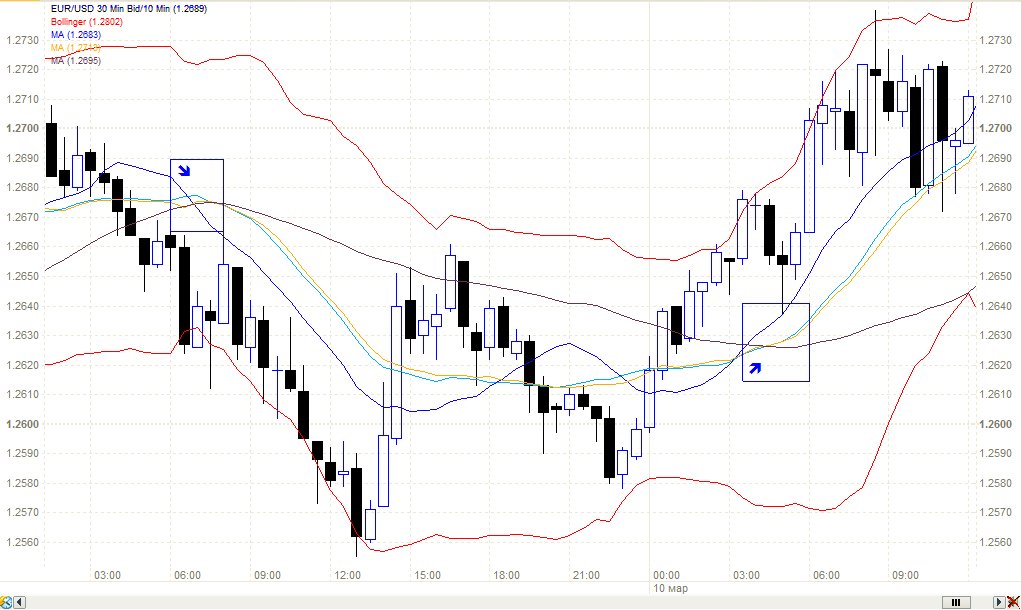
- London session timing.
- New York AM session timing.
- New York PM session timing.
- Why these sessions matter.
- Increased volatility.
- Institutional participation.
- Liquidity generation.
- Market direction clues.
- Session overlap benefits.
- Best pairs to trade.
- Gold trading opportunities.
- Index trading opportunities.
- Session preparation.
- Choosing one session.
- Avoiding overtrading.
4. Market Structure Shift (MSS) in Silver Bullet
- Definition of MSS.
- Bullish MSS explanation.
- Bearish MSS explanation.
- Trend reversal signals.
- Identifying swing highs.
- Identifying swing lows.
- Confirmation techniques.
- MSS and liquidity relationship.
- MSS examples.
- Common identification mistakes.
- Strong vs weak MSS.
- Entry timing.
- Stop-loss placement.
- Trade management.
- Practical applications.
5. Fair Value Gaps (FVG) and Their Role
- Definition of FVG.
- How FVGs form.
- Market inefficiency concept.
- Bullish FVG.
- Bearish FVG.
- Entry opportunities.
- FVG retracement.
- High-probability zones.
- Combining MSS and FVG.
- Risk reduction.
- Trade confirmation.
- Common FVG mistakes.
- Examples in charts.
- FVG importance in Silver Bullet.
- Best practices.
6. Liquidity Concepts Every Trader Must Know
- Definition of liquidity.
- Buy-side liquidity.
- Sell-side liquidity.
- Liquidity grabs.
- Stop hunting.
- Institutional activity.
- Liquidity sweeps.
- External liquidity.
- Internal liquidity.
- Market reactions.
- Liquidity targeting.
- Confirmation signals.
- Common trader mistakes.
- Practical examples.
- Importance in Silver Bullet.
7. Step-by-Step ICT Silver Bullet Setup
- Session selection.
- Market bias determination.
- Marking liquidity levels.
- Waiting for a liquidity sweep.
- Identifying MSS.
- Locating FVG.
- Planning entry.
- Stop-loss placement.
- Take-profit planning.
- Risk calculation.
- Trade execution.
- Trade monitoring.
- Scaling positions.
- Exit strategy.
- Post-trade review.
8. Entry Rules for ICT Silver Bullet Strategy
- Required conditions.
- Liquidity sweep confirmation.
- MSS confirmation.
- FVG confirmation.
- Entry triggers.
- Bullish setup rules.
- Bearish setup rules.
- Avoiding false signals.
- Timing considerations.
- Session importance.
- Risk parameters.
- Position sizing.
- Confirmation checklist.
- Trade examples.
- Consistency tips.
9. Stop-Loss and Take-Profit Placement
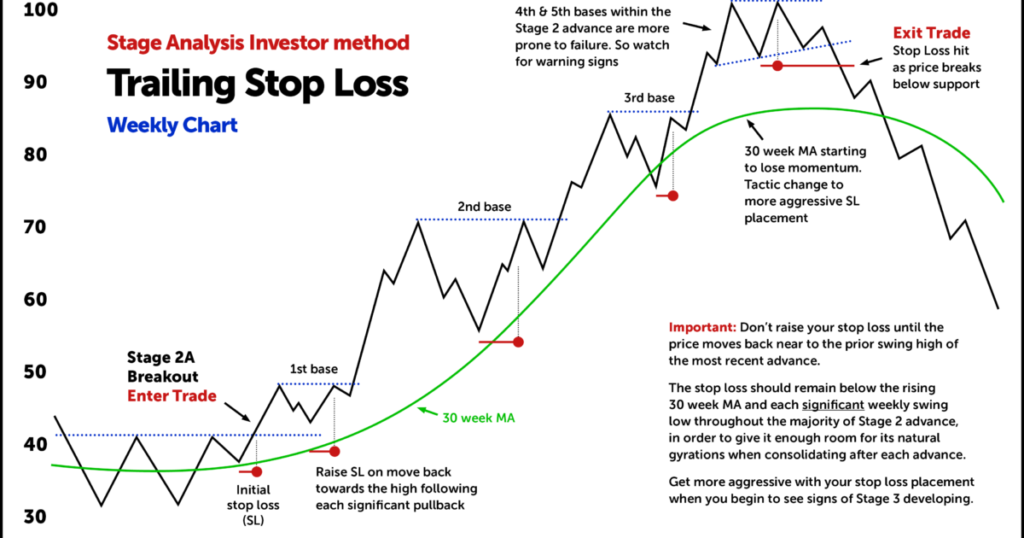
- Why stop-loss matters.
- Logical stop placement.
- Liquidity-based stops.
- Structure-based stops.
- Setting realistic targets.
- Risk-to-reward ratio.
- Partial profit taking.
- Trade protection.
- Trailing stops.
- Avoiding emotional exits.
- Position management.
- Example calculations.
- Common mistakes.
- Professional approach.
- Long-term consistency.
10. Best Markets for the Silver Bullet Strategy
- Forex pairs.
- Gold (XAU/USD).
- NASDAQ.
- S&P 500.
- Dow Jones.
- Currency indexes.
- Market volatility.
- Session compatibility.
- Liquidity requirements.
- Instrument selection.
- Trading costs.
- Spread considerations.
- Beginner recommendations.
- Advanced opportunities.
- Performance expectations.
11. Common Mistakes Traders Make
- Trading outside sessions.
- Ignoring liquidity.
- Entering too early.
- Missing MSS confirmation.
- Ignoring risk management.
- Overleveraging.
- Chasing trades.
- Emotional decisions.
- Overtrading.
- Poor journaling.
- Lack of patience.
- Wrong expectations.
- Improper stop-loss.
- Strategy hopping.
- How to avoid mistakes.
12. Risk Management for Consistent Results
- Importance of capital protection.
- Risk per trade.
- Position sizing.
- Drawdown control.
- Daily loss limits.
- Weekly loss limits.
- Emotional discipline.
- Trade frequency control.
- Consistency mindset.
- Long-term survival.
- Reward optimization.
- Risk calculations.
- Trading journal use.
- Performance review.
- Sustainable growth.
13. Real Trade Example Using Silver Bullet
- Market selection.
- Session analysis.
- Liquidity identification.
- MSS detection.
- FVG formation.
- Entry execution.
- Stop-loss setup.
- Take-profit target.
- Trade management.
- Risk calculation.
- Profit potential.
- Chart explanation.
- Mistake prevention.
- Lessons learned.
- Final outcome.
14. Advantages and Disadvantages of the Strategy
- High-probability setups.
- Clear rules.
- Better timing.
- Strong risk-to-reward.
- Reduced trading frequency.
- Improved discipline.
- Learning curve.
- Patience requirement.
- Session dependency.
- Emotional challenges.
- Market condition limits.
- Beginner suitability.
- Professional suitability.
- Long-term benefits.
- Overall assessment.
15. Final Thoughts on ICT Silver Bullet Strategy in 2026
- Summary of key concepts.
- Importance of liquidity.
- Importance of MSS.
- Importance of FVG.
- Session-based trading.
- Risk management reminder.
- Practice recommendations.
- Backtesting benefits.
- Demo account usage.
- Continuous improvement.
- Trading psychology.
- Discipline development.
- Realistic expectations.
- Building consistency.
- Final conclusion.
Conclusion
The ICT Silver Bullet Strategy is a powerful trading approach that combines liquidity analysis, Market Structure Shift (MSS), and Fair Value Gap (FVG) concepts to identify high-probability trade setups. By focusing on specific trading sessions, traders can avoid unnecessary market noise and concentrate on the periods where institutional activity is often strongest.
A major strength of this strategy is its clear framework. Traders know exactly what conditions must appear before entering a trade, which helps reduce emotional decision-making. When combined with proper risk management, the strategy can provide favorable risk-to-reward opportunities while protecting trading capital.
However, success does not come from simply knowing the rules. Traders must practice patience, wait for confirmation, and maintain discipline in every trade. Consistent execution is often more important than finding the perfect setup.
Before trading with real money, it is recommended to backtest the strategy and practice on a demo account. This helps build confidence and allows traders to understand how the setup behaves under different market conditions.
In 2026, the ICT Silver Bullet Strategy remains a popular choice among traders because of its structured approach and focus on high-quality setups. With dedication, proper risk control, and continuous learning, traders can use this strategy to improve consistency and develop a more professional trading mindset.
FAQs
1. What is the ICT Silver Bullet Strategy?
The ICT Silver Bullet Strategy is an intraday trading method that looks for liquidity sweeps, market structure shifts, and fair value gaps during specific trading windows to identify potential trading opportunities.
2. Which timeframe is best for the ICT Silver Bullet Strategy?
Most traders use the 1-minute, 3-minute, and 5-minute charts for entries, while higher timeframes such as the 15-minute and 1-hour charts are used to determine overall market direction and bias.
3. Can I use the ICT Silver Bullet Strategy on Gold (XAU/USD)?
Yes. Many traders apply the strategy to Gold (XAU/USD) because it often provides strong volatility and liquidity during the London and New York sessions, making it suitable for Silver Bullet setups.
4. What is the ideal risk-to-reward ratio for Silver Bullet trades?
Many traders aim for a minimum 1:2 risk-to-reward ratio, while some setups may offer 1:3 or higher depending on market conditions and target liquidity levels.
5. Is the ICT Silver Bullet Strategy profitable?
The strategy can be profitable when applied correctly with strict risk management, patience, and discipline. Profitability depends on the trader’s execution, experience, and ability to follow the trading plan consistently rather than the strategy alone.